
Last updated November 22, 2026
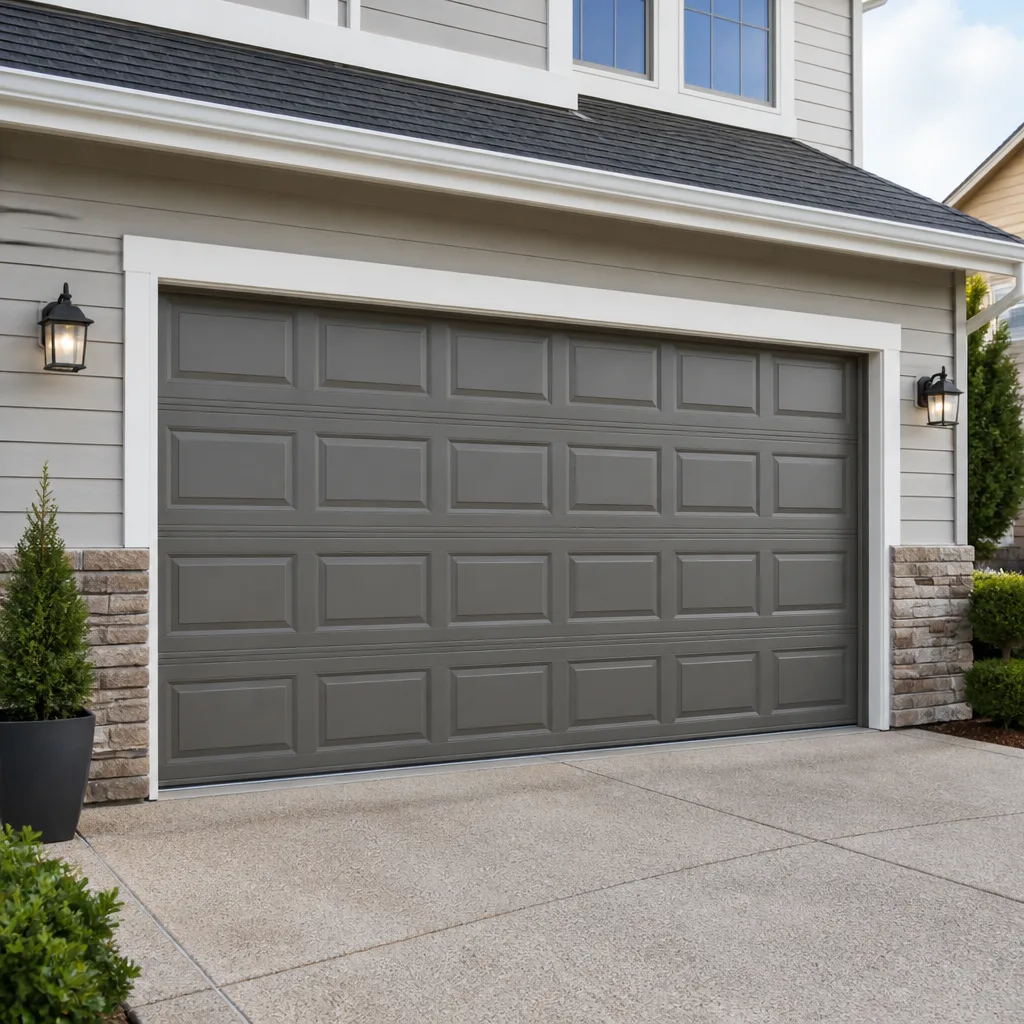 Raised-panel steel
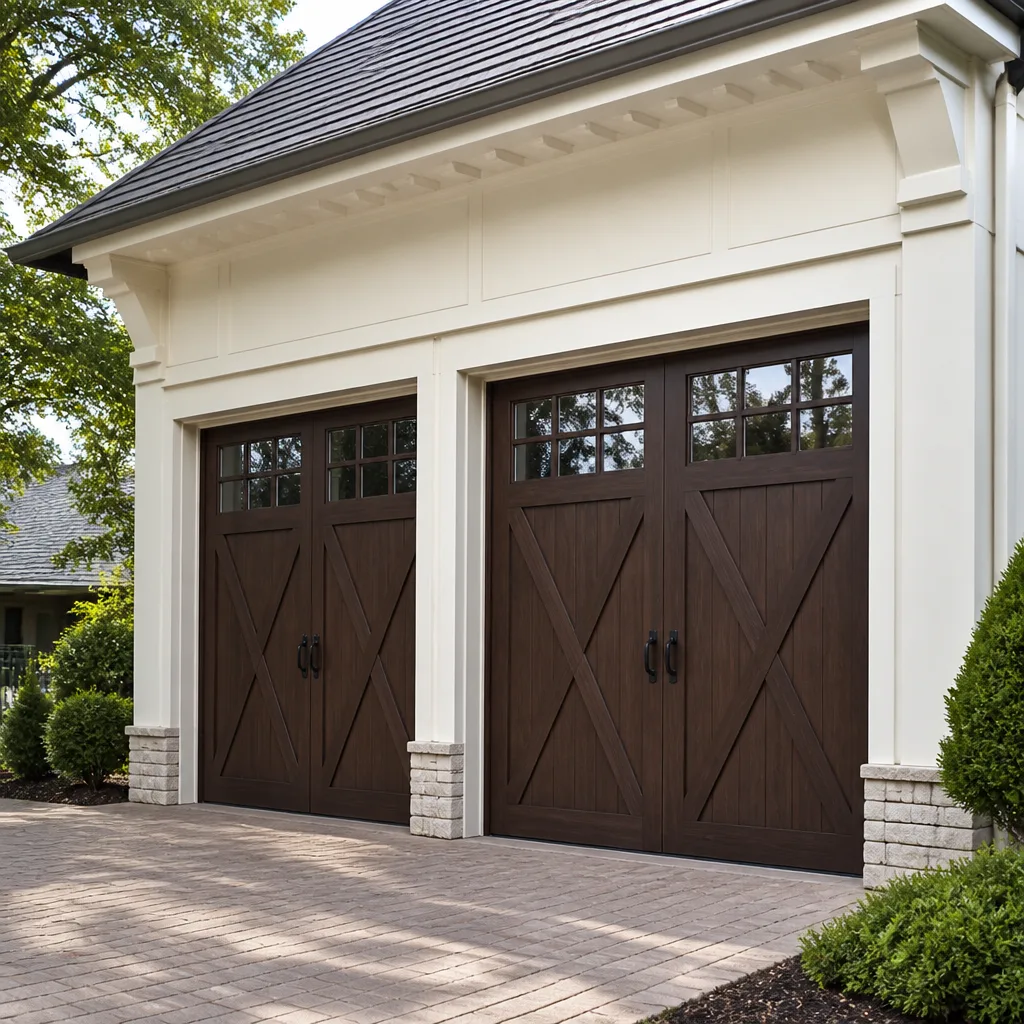 Carriage house
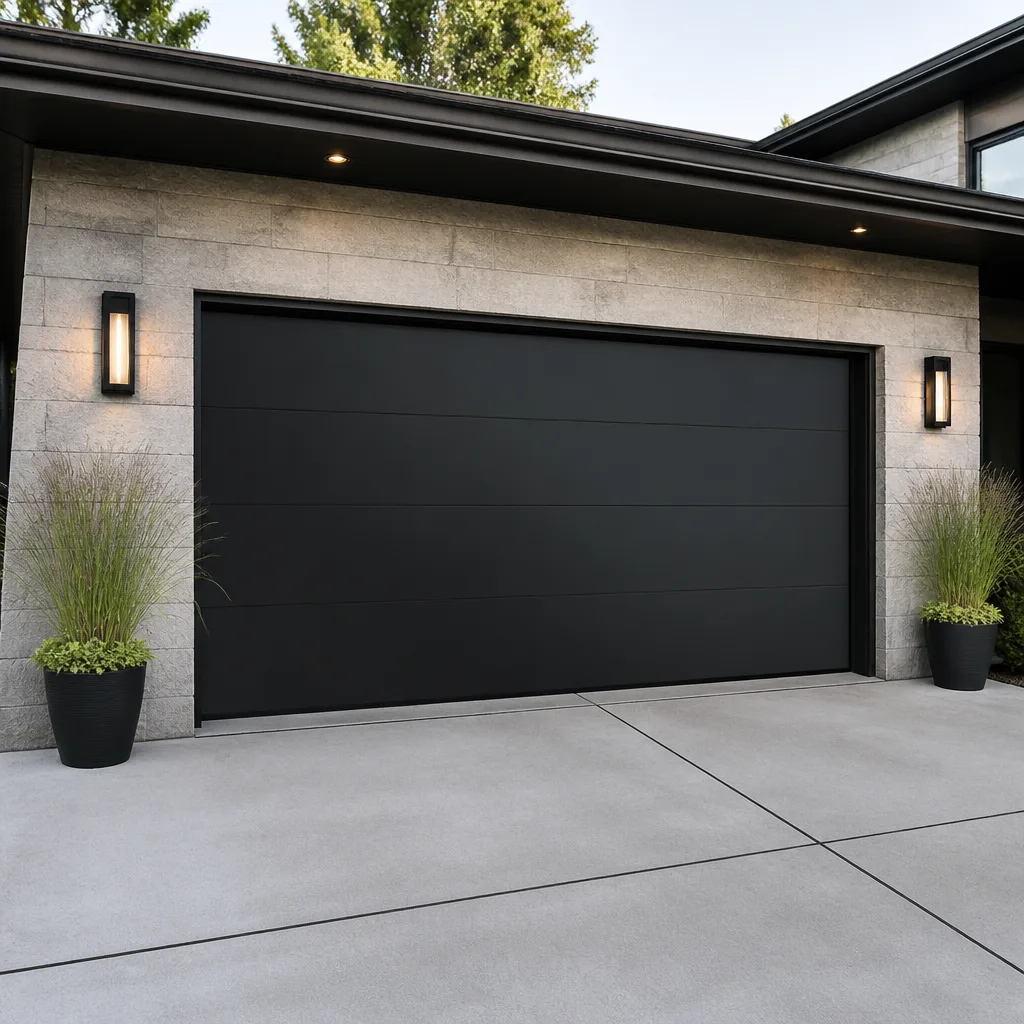 Modern flush
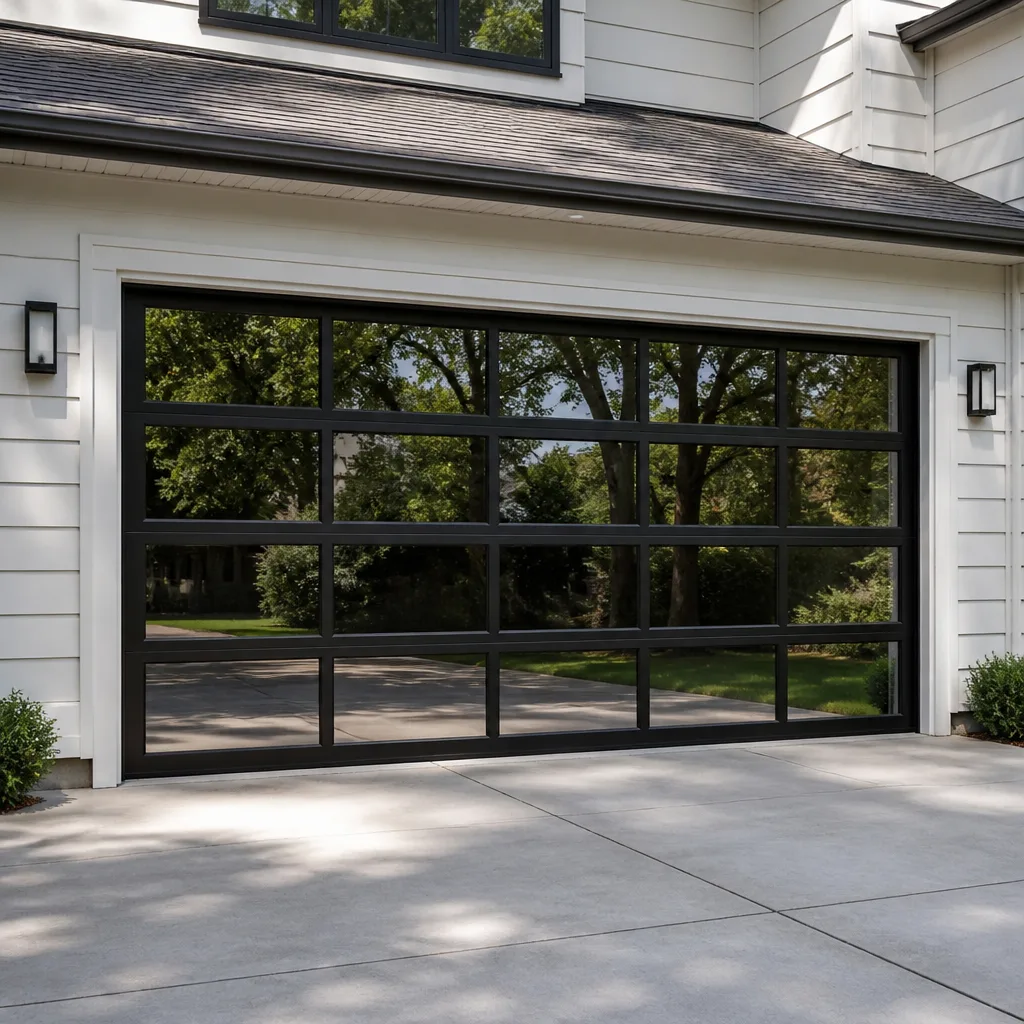 Full-view glass
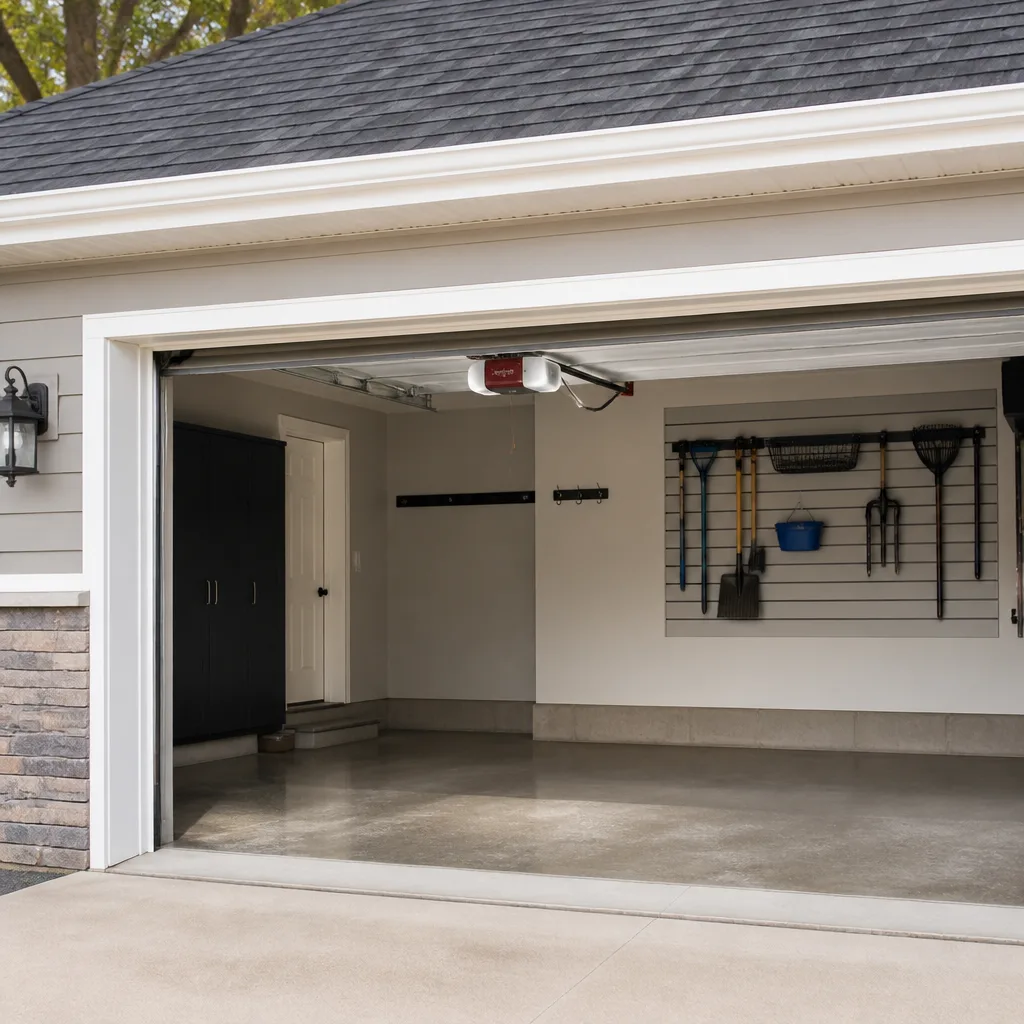 LiftMaster openers
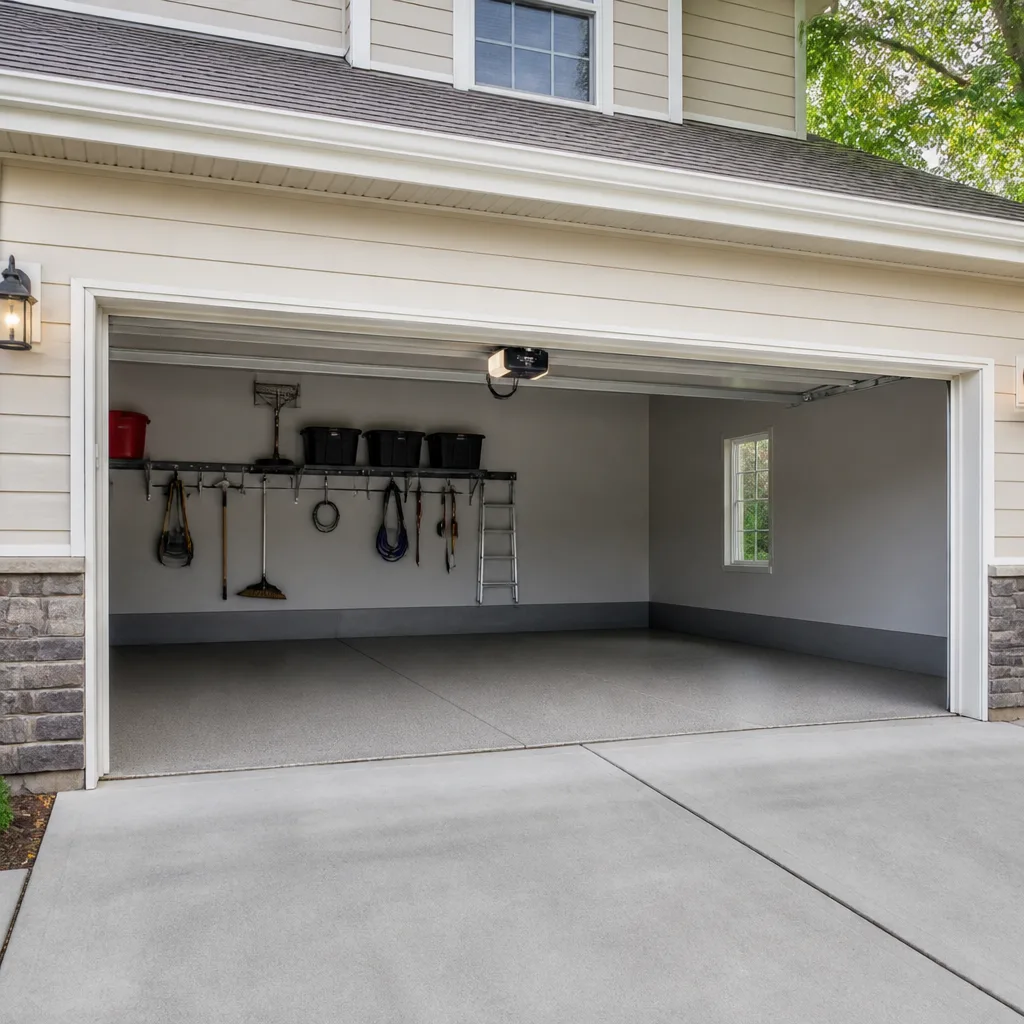 Chamberlain openers
Full 25-point door and opener safety check with every visit - springs, cables, rollers, tracks, and your LiftMaster or Chamberlain opener included
You get a price before we start. It does not change when the pro arrives.
Get your free estimateGarage Door Repair Troubleshooting in Broomfield: Common Problems and How to Fix Them
Most garage door failures here don’t start with a worn-out part. They start with the weather. Broomfield swings from single digits in January to the mid-90s in July, and that range does more damage to springs, tracks, and weather seals than years of everyday use ever will. Yet nearly every troubleshooting guide you’ll find online was written somewhere with a steady, mild climate and ignores the one variable that matters most in Broomfield. This guide fixes that. You’ll learn a symptom-first way to narrow down what’s wrong before you touch anything, which three fixes are genuinely safe for a homeowner, where to stop for your own safety, and exactly what to tell a technician so the diagnosis is fast and the estimate is accurate.
Quick Answer
Garage door problems in Broomfield usually fall into one of five categories: spring failure, cable or drum trouble, track and roller misalignment, opener or sensor faults, and weather-seal and lubrication issues. Three of those you can safely handle yourself: lubricating hinges and rollers, realigning photo-eye sensors, and manually releasing the trolley after a power outage. Springs, cables, and anything involving the torsion assembly should only be touched by a trained technician, because those parts store enough energy to cause serious injury.
Styles & brands we work with
- Raised-panel steel
- Carriage house
- Modern flush
- Full-view glass
- LiftMaster openers
- Chamberlain openers
Table of Contents
- The Symptom-First Diagnostic Tree
- How Broomfield’s Climate Breaks Garage Doors
- The Three Owner-Safe Fixes
- Where to Stop: Springs and Cables
- Reading Your Opener’s Behavior
- Noise and Movement: What Each Sound Tells You
- What to Tell a Technician When You Call
- Common Mistakes to Avoid
- When to Call a Professional
- Frequently Asked Questions
The Symptom-First Diagnostic Tree
Before you grab a tool, watch and listen. The way your door behaves tells you which of the five failure categories you’re dealing with, and that decides whether this is a ten-minute fix or a call to a professional. Work through these observations in order.
Step 1: Does the door move at all when you press the button? If the opener hums but nothing moves, the problem is mechanical (spring, cable, or the door is jammed). If the opener is silent, the problem is electrical or in the opener itself.
Step 2: Does it move unevenly? A door that rises crooked, binds halfway, or drops on one side points to a track, roller, or cable issue. Stop and look before running it again.
Step 3: Does it reverse or refuse to close? That usually means the photo-eye sensors are misaligned or blocked, or the opener’s travel limits are off.
Step 4: What does it sound like? A sharp bang from above the door is a spring. A grinding or scraping noise is metal on metal, usually rollers or tracks. A rattle is loose hardware.
Step 5: Where is the door stuck? Stuck open, stuck closed, or stuck partway each narrow the cause differently. Stuck open often means a broken spring; stuck closed often means a snapped cable or dead opener.
Run through those five questions and you’ll know whether you’re looking at a safety sensor, a lubrication job, or a genuine mechanical failure that needs a technician. That distinction is the whole point of this guide. In our experience, most homeowners who call us have already narrowed it down to one or two possibilities, and that makes the visit faster.
How Broomfield’s Climate Breaks Garage Doors
Broomfield sits at the foot of the Front Range, which means big temperature swings between day and night and between seasons. Metal expands in afternoon heat and contracts overnight. Springs, tracks, and seals all pay for that cycling, and the failures you see here often look different from what a mild-climate guide describes.
Freeze-thaw and the bottom seal. Snowmelt pools at the door’s base, then refreezes overnight. The rubber bottom seal sticks to the concrete, and when the opener lifts the door, the seal tears or pulls loose. Over a winter, the seal stiffens, cracks, and stops sealing, which lets cold air and pests into the garage. Replacing a bottom seal is a routine job, but it’s worth checking each fall before the first hard freeze.
Contracted tracks in cold snaps. In single-digit January mornings, the steel tracks contract enough that a door which ran fine in October now drags or binds. Homeowners often assume the opener is failing when the tracks are simply too tight or slightly out of alignment for the cold. A technician can adjust roller brackets and clearances so the door runs smoothly across the full temperature range.
Lubricant breakdown in summer heat. High-temp summers cook the oil in older hinges, rollers, and springs until it turns tacky or dries out. That’s when doors start squealing in July. A proper garage-door lubricant holds up better than general-purpose oil or grease, which can attract dust and gum up the rollers.
Sun and heat on the door itself. South- and west-facing garages take a beating. Steel doors can warp at the panels, and wood doors dry and crack. A Clopay or Amarr steel door handles this better than older single-layer doors, but any door left in direct afternoon sun will age faster on that face.
Altitude and opener performance. At Broomfield’s elevation, opener motors and logic boards aren’t fundamentally different, but the dry air raises static and dust, which can affect sensor lenses and rail lubrication. Keeping the photo-eye lenses clean matters more in a dry climate than most people realize.
When you call for garage door repair, tell the technician what season the problem started in and whether it’s worse on cold mornings or hot afternoons. That one detail often points straight to the cause.
The Three Owner-Safe Fixes
We’re not going to pretend everything is a professional job, because it isn’t. Three repairs are genuinely safe for a homeowner with basic tools and a little patience. Do these yourself, and save the call for the rest.
1. Lubricating hinges and rollers
- Close the door and disconnect the opener by pulling the release handle so it won’t cycle while you’re working.
- Apply a garage-door-specific lubricant to each hinge pivot, each roller bearing, and the torsion spring coils (a spray is fine, but avoid anything marketed as general grease).
- Wipe off excess so dust doesn’t collect, then run the door by hand a couple of times to work it in.
Do this once or twice a year, and especially before winter in Broomfield. It quiets squeaks and reduces strain on the opener.
2. Realigning photo-eye sensors
- Look at the two small sensors near the bottom of the tracks on each side. Each should have a steady light, not a flickering or dark one.
- If one light is off, check that it’s aimed at its partner across the opening. Nudge it until both lights are steady.
- Clear anything blocking the beam, including a spiderweb, a leaf, or a shifted trash can, then test by pressing the button.
Sensor misalignment is the single most common reason a door won’t close, and it’s almost always a two-minute fix.
3. Manually releasing the trolley after a power outage
- Pull the red release handle hanging from the opener rail. That disconnects the door from the opener so you can lift it by hand.
- Lift the door fully and let it rest open, or lower it by hand carefully. A properly balanced door is light enough for one adult to move.
- When power returns, close the door and pull the release handle back into its slot to reconnect the trolley. Run the opener once to confirm it engaged.
If the door is too heavy to lift by hand, stop: that’s a sign of a broken spring or cable, and it belongs in the next section.
Anything involving brand-specific opener programming – remotes, keypads, travel limits – is worth a call. We work on Genie, Chamberlain, LiftMaster, and most other major systems, so we can sort out a stubborn opener quickly through garage door opener repair.
Where to Stop: Springs and Cables
Here’s the line, and it’s a hard one: do not touch the torsion spring, the extension springs, the cables, or the drums. This isn’t cautious language added to cover ourselves. There’s a mechanical reason, and understanding it makes the warning stick.
A torsion spring is wound under high tension to counterbalance the full weight of the door. Depending on the door, that’s the equivalent of holding hundreds of pounds on a steel cable. When a spring snaps, it releases all that stored energy at once, which is why the sound is so loud. When you try to wind one with the wrong tools or without the training, you’re fighting that same energy with a bar in your hand. The stakes are broken bones and worse. Extension springs are just as dangerous when they fail; that’s why modern ones are supposed to have safety containment cables.
Cables are under the same tension and can whip or slice when they let go. Never try to re-spool a cable or straighten a drum by hand.
What you can do safely:
- Look, don’t touch. Note whether the spring above the door has a visible gap or is in two pieces. Note whether a cable is off its drum or hanging loose.
- Keep people and vehicles clear of the door until a technician confirms it’s safe.
- Leave the door where it is if it’s stuck. Forcing a door with a broken spring can drop it.
Spring replacement is a core part of what we do, and it’s one of the most commonly botched DIY repairs in this trade. Our technicians have up to 10 years of experience handling springs and cables with the right tools and the right procedure. When it’s time, understanding garage door spring repair helps you know what to expect and what questions to ask.
Reading Your Opener’s Behavior
The opener is the easiest component to misdiagnose, because a struggling motor looks a lot like a failing motor. Before you assume the opener is dead, match its behavior to these patterns.
- Hums but doesn’t move the door. Usually mechanical, not electrical: a broken spring, a bound track, or a stripped gear inside the opener. The motor is trying; the door won’t follow.
- Clicks once and does nothing. Often a capacitor or logic board issue on older units, or a safety sensor fault telling it not to move.
- Moves a few inches then reverses. Typically a sensor problem or a travel-limit setting that’s drifted.
- Runs but the door is sluggish. Could be worn rollers, dry tracks, or an aging opener losing torque.
- Works from the wall switch but not the remote. Remote, battery, or receiver problem, not the door.
The fix depends on the brand and model. We’re certified to work on eight major brands, including LiftMaster, Chamberlain, Genie, Clopay, Amarr, Wayne Dalton, Craftsman, and Raynor, which means we work on the system you already have rather than pushing a replacement. Most opener repairs can be scheduled the same day, and the price is quoted and agreed before any work starts.
Noise and Movement: What Each Sound Tells You
Sound is diagnostic. Listen to your door once with the opener disconnected so you hear only the door, and you’ll learn a lot.
- A sharp bang from above. A torsion spring has snapped. Stop and call – this is a professional repair.
- Squealing or chirping. Dry hinges and rollers, usually fixable with proper lubrication.
- Grinding or scraping. Metal on metal, typically misaligned tracks or worn rollers. Best handled by a technician before the damage spreads.
- Rattling. Loose bolts or brackets. Sometimes a quick tighten, sometimes a sign the door’s hardware is loosening overall.
- Popping or snapping while it moves. A cable or drum issue – stop immediately.
Movement tells the rest of the story. A door that rises crooked or binds on one side points to a track or roller problem. A door that drops too fast or won’t stay up when lifted halfway means the spring tension is off. In a place like Broomfield, that “won’t stay up” symptom often shows up suddenly on the first cold morning, when the spring has contracted and lost some of its lift.
If the door looks bent or the panels are separating, don’t run the opener. A bent door can damage the tracks and the opener, and the cost climbs with every cycle.
What to Tell a Technician When You Call
A clear phone call shortens the job. You don’t need to diagnose it; you just need to describe what you saw and heard. Here’s what actually helps.
- The symptom in one sentence. “It won’t close” or “It bangs and the door drops.”
- Whether the opener is involved. Does it hum, click, or stay silent?
- What the door does by hand. Heavy, light, crooked, stuck?
- What you can see. Broken spring, cable off the drum, bent track, sensor light out.
- When it started and the conditions. Cold snap, heat wave, power outage, or gradually.
- Brand and approximate age. Maker name, plus roughly how old the door and opener are.
- Your address and access notes. Whether the garage is attached, whether a vehicle blocks it, and whether you need the door working for a specific reason (a car inside, a security concern).
Those details let us bring the right parts and quote accurately. A well-described call often means the technician arrives knowing it’s a spring rather than a sensor, which saves time and reduces what you pay for the visit. Emergencies count here too. If the door won’t move and blocks a vehicle or leaves the garage open, call (833) 632-3182. We answer 24/7, with fast dispatch from 7am to 7pm, Sunday through Friday.
See the difference
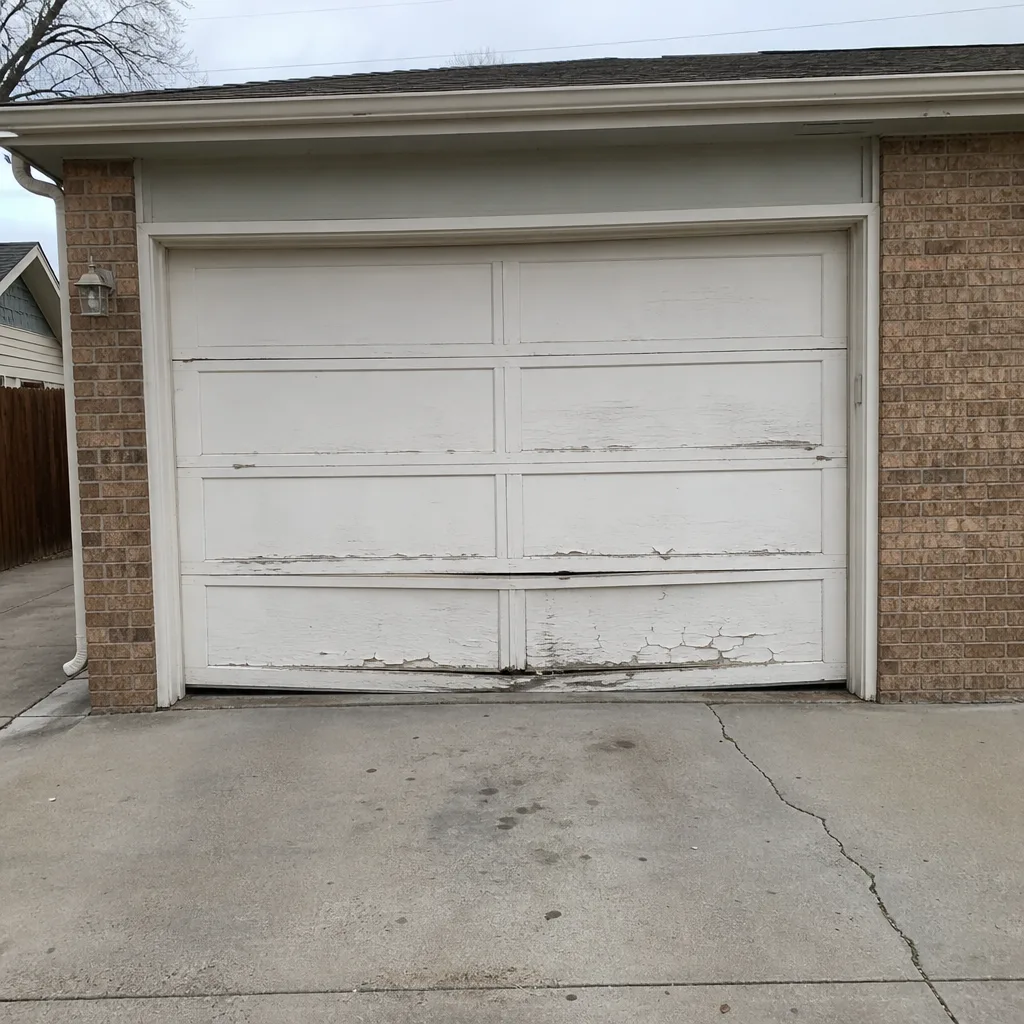 Before
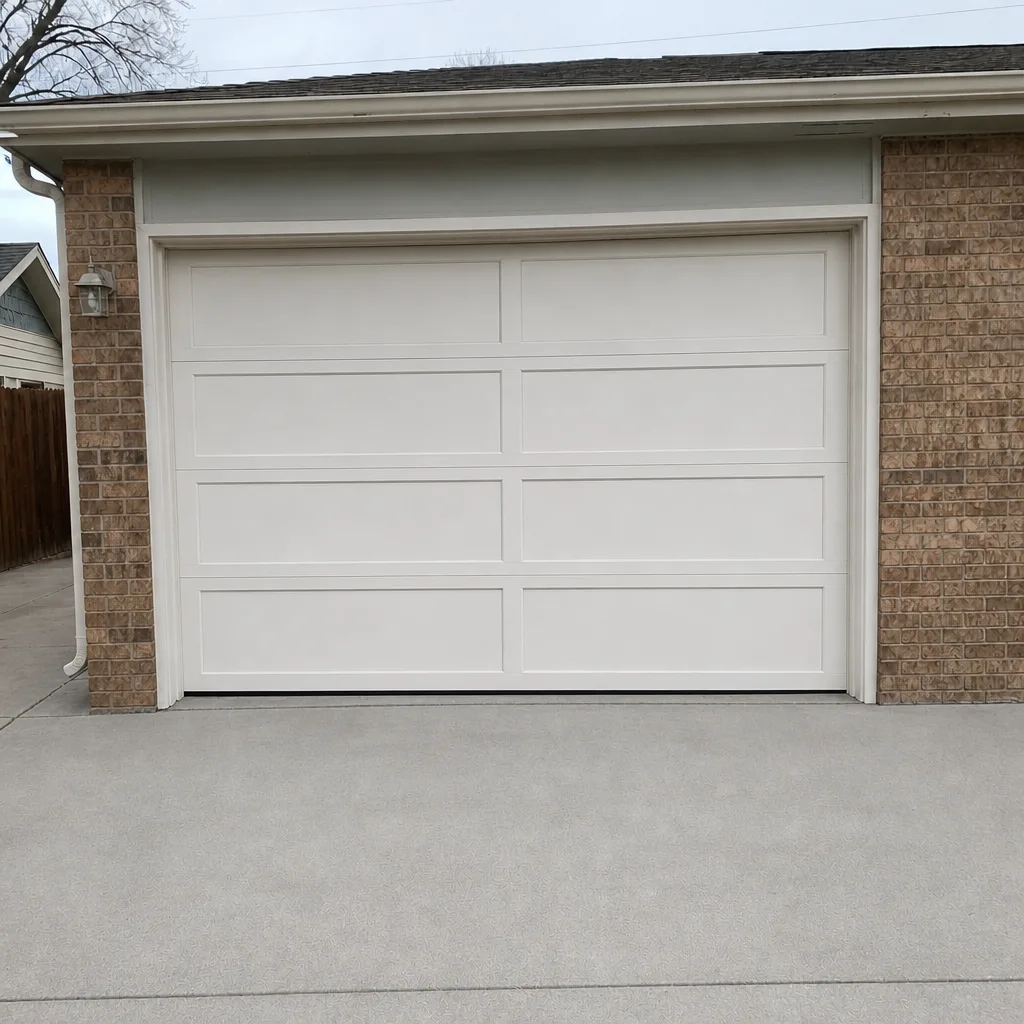 After
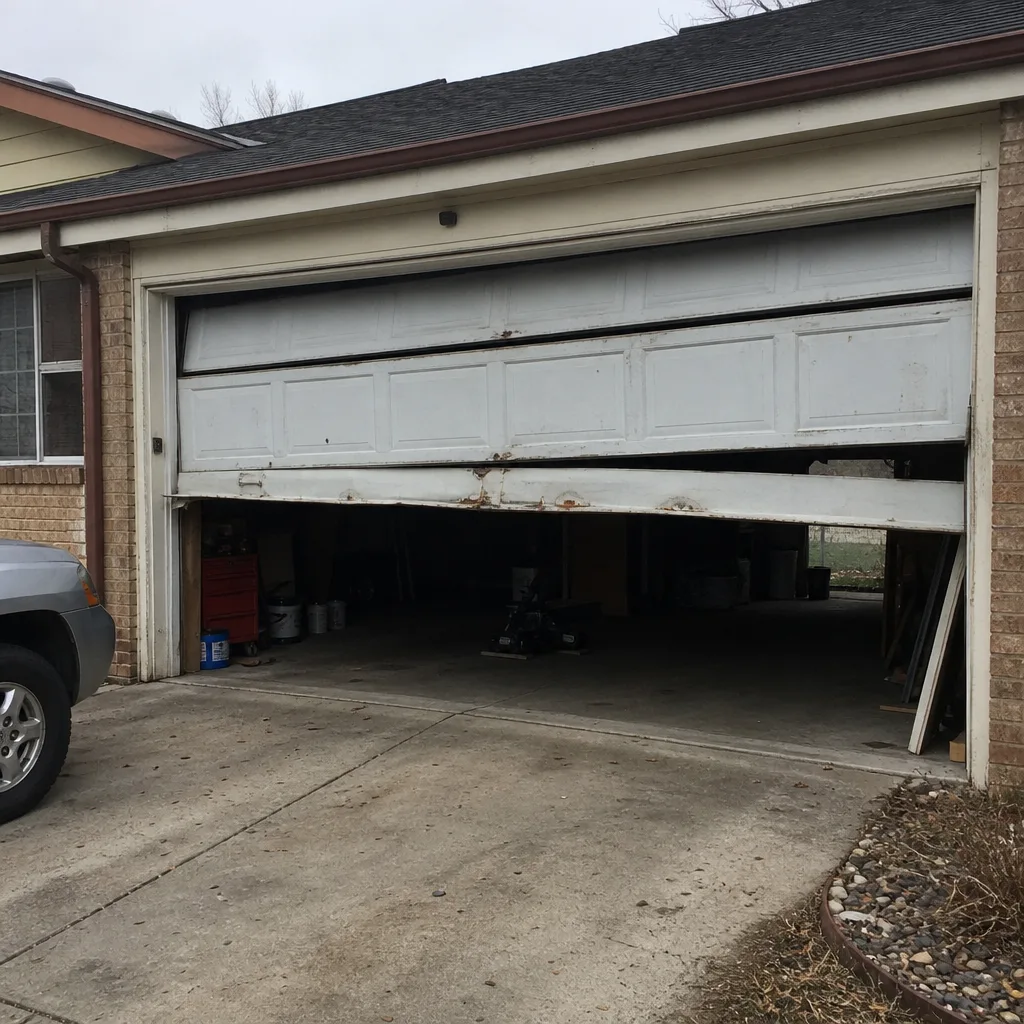 Before
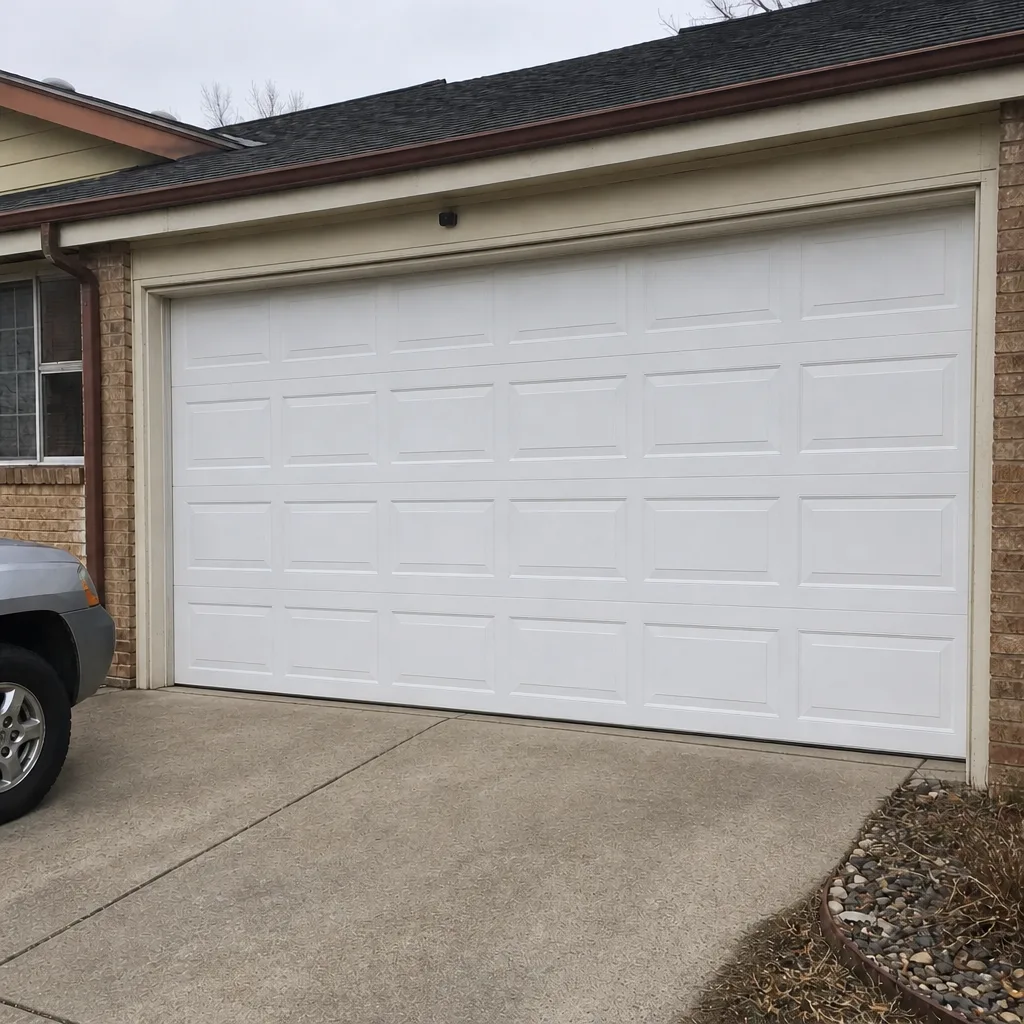 After
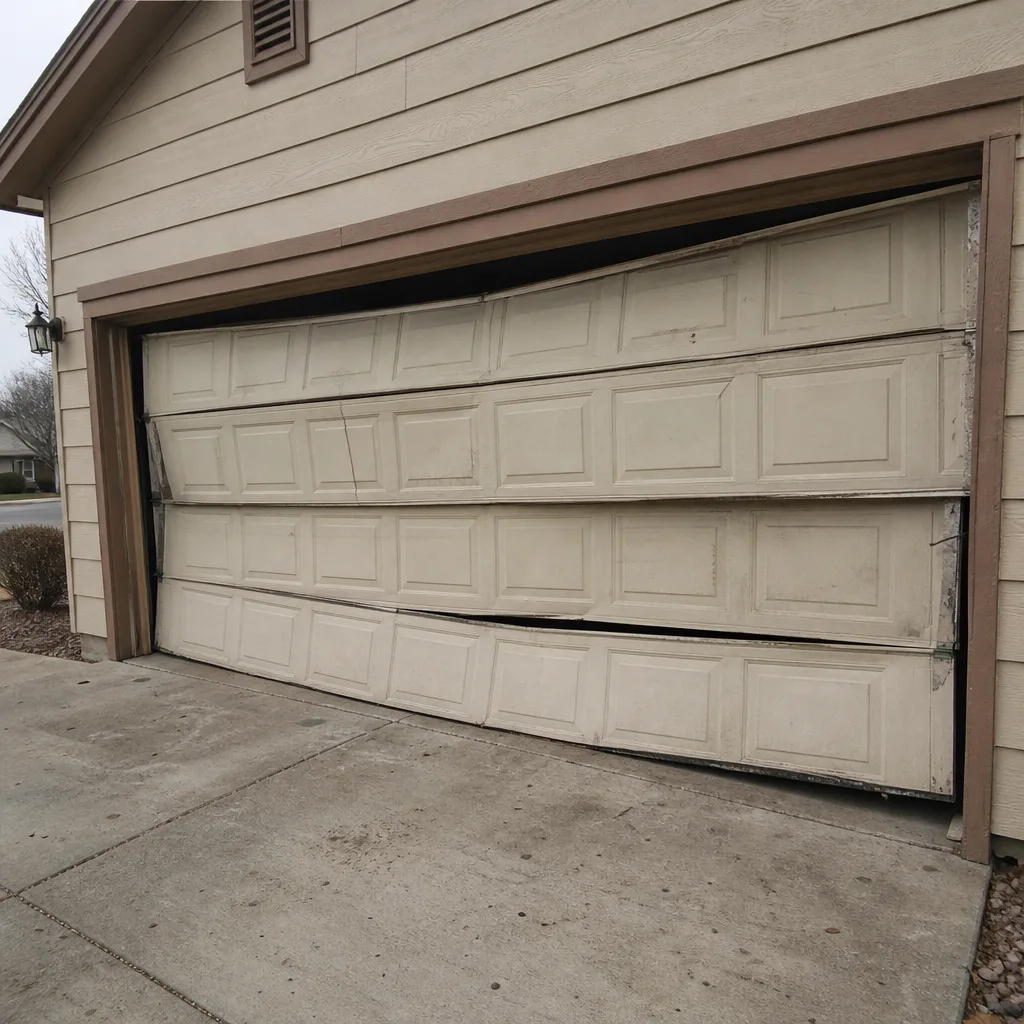 Before
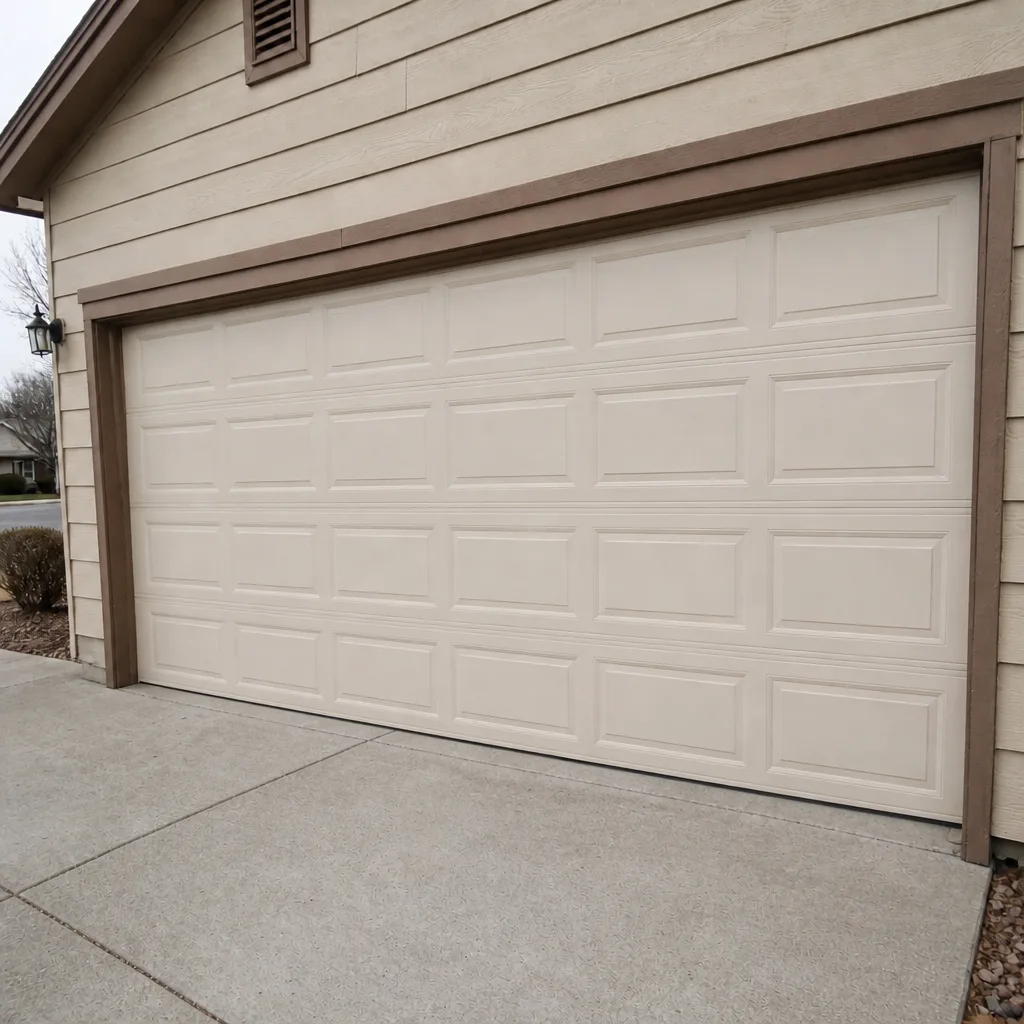 After
Common Mistakes to Avoid
- Forcing a door with a broken spring or cable. Running the opener on a broken spring can damage the door, the opener, or both. The bigger issue is safety: a door with no counterbalance can drop on someone.
- Using the wrong lubricant. General-purpose grease collects dust and gums rollers. Use a garage-door-specific product, especially in Broomfield’s dry, dusty summers.
- Ignoring a small squeal until it’s a grinding. A squeal is cheap to fix with lubrication. A grinding usually means worn rollers and possibly damaged tracks.
- Adjusting the springs yourself. This is the mistake that hurts people. Winding a torsion spring without the right tools and training is genuinely dangerous.
- Overlooking the bottom seal through winter. A frozen, torn seal lets cold air in and lets pests in, and it makes the door work harder. Check it before the first freeze.
- Assuming the opener is dead when the door won’t move. More often the door is the problem and the opener is fine. Diagnose before replacing.
- Putting off a sensor misalignment. A door that won’t close is a security and weather problem. Fix the sensor the same day you notice it.
When to Call a Professional
Call a professional when the door involves a spring, a cable, or a drum; when it drops or falls; when it’s sticking open and leaving the garage exposed; when the tracks are bent or the panels are separating; when the opener hums but won’t move the door; or when a sensor problem won’t clear after you’ve checked alignment and cleaned the lenses. Those are the situations where a trained technician turns a mystery into a straightforward fix. As a garage door specialist, we handle repair, spring and cable work, opener repair, and full door installation, so one call covers the whole job. We work on the brands you already own, including Genie, Clopay, Amarr, and Wayne Dalton. Broomfield Garage Door Repair Co offers free estimates in Broomfield – call (833) 632-3182. The price is quoted and agreed before any work starts, so you’ll know the number before anyone turns a wrench.
Frequently Asked Questions
Most garage door repairs in Broomfield run from roughly $150 to $450, depending on the part and the labor involved. Spring replacement is usually the higher end of that range per spring, and a matched pair costs about twice one spring. Opener and sensor repairs tend to sit at the lower end. We give a free written estimate and quote the price before any work starts. Call (833) 632-3182 for an exact quote – estimates are free.
No. A torsion or extension spring holds enough stored energy to cause serious injury when it fails or is mishandled, and the tools and training needed to replace one safely aren’t something a homeowner can improvise. Leave spring and cable work to a trained professional. If you hear a loud bang and the door won’t lift, stop using the opener and call for help.
Cold contracts the steel tracks and stiffens the bottom seal, and the spring itself loses some lift in single-digit temperatures. That combination makes the door drag and the opener work harder. Sometimes tracks need adjusting for the cold, and sometimes the spring has weakened and needs replacing. Describe when the problem started and how cold it was, and that helps pin down the cause.
Yes, for repair and emergency situations we aim to be out the same day. We answer 24/7 and offer fast dispatch from 7am to 7pm, Sunday through Friday – closed Saturday. Calls outside dispatch hours are booked into the next opening, Sunday through Friday, 7am to 7pm. Call (833) 632-3182 to lock in a time.
The written estimate sets the price. We quote and agree the price before any work starts, so there are no surprise invoices. If the inspection turns up something beyond the original quote – an additional part, or a safety issue that changes the scope – we tell you before proceeding and get your approval first.
The local pros we connect you with are licensed and insured as their state requires, and our technicians have up to 10 years of experience. We work exclusively on garage doors and openers, not on other home-service trades, so every job is handled by someone with focused experience on the equipment in your garage. Call (833) 632-3182 with your questions.
The Bottom Line
Garage door troubleshooting in Broomfield starts with reading the symptom and knowing where the safe line is. Three fixes – lubrication, sensor alignment, and manual trolley release – you can handle yourself. Everything involving springs, cables, drums, or bent tracks belongs to a technician, for a real mechanical reason, not caution language. Broomfield’s swings between single digits and 95°F drive more failures than worn parts do, so note the season and the weather when a problem starts. Describe the symptom clearly when you call and the diagnosis gets faster and the estimate tighter. Use Broomfield Garage Door Repair Co when you need the job done right the first time, with a written price agreed before any work begins.
Ready to get your door working again? Call (833) 632-3182 for a free estimate. We answer 24/7, with fast dispatch from 7am to 7pm, Sunday through Friday. Whether it’s a snapped spring, an opener that won’t cooperate, or a door you’re ready to replace outright, one call covers the whole job.
Written by the team at Broomfield Garage Door Repair Co.