
Last updated November 22, 2026
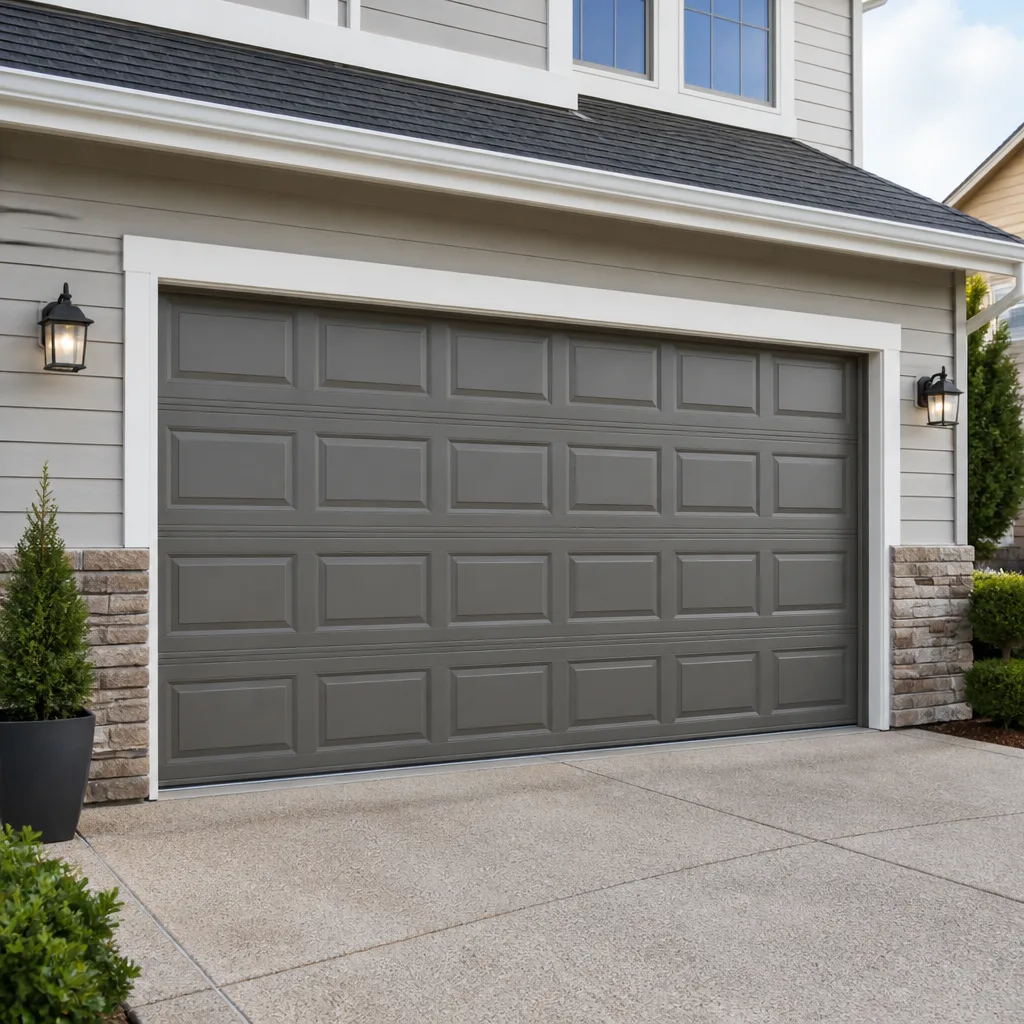 Raised-panel steel
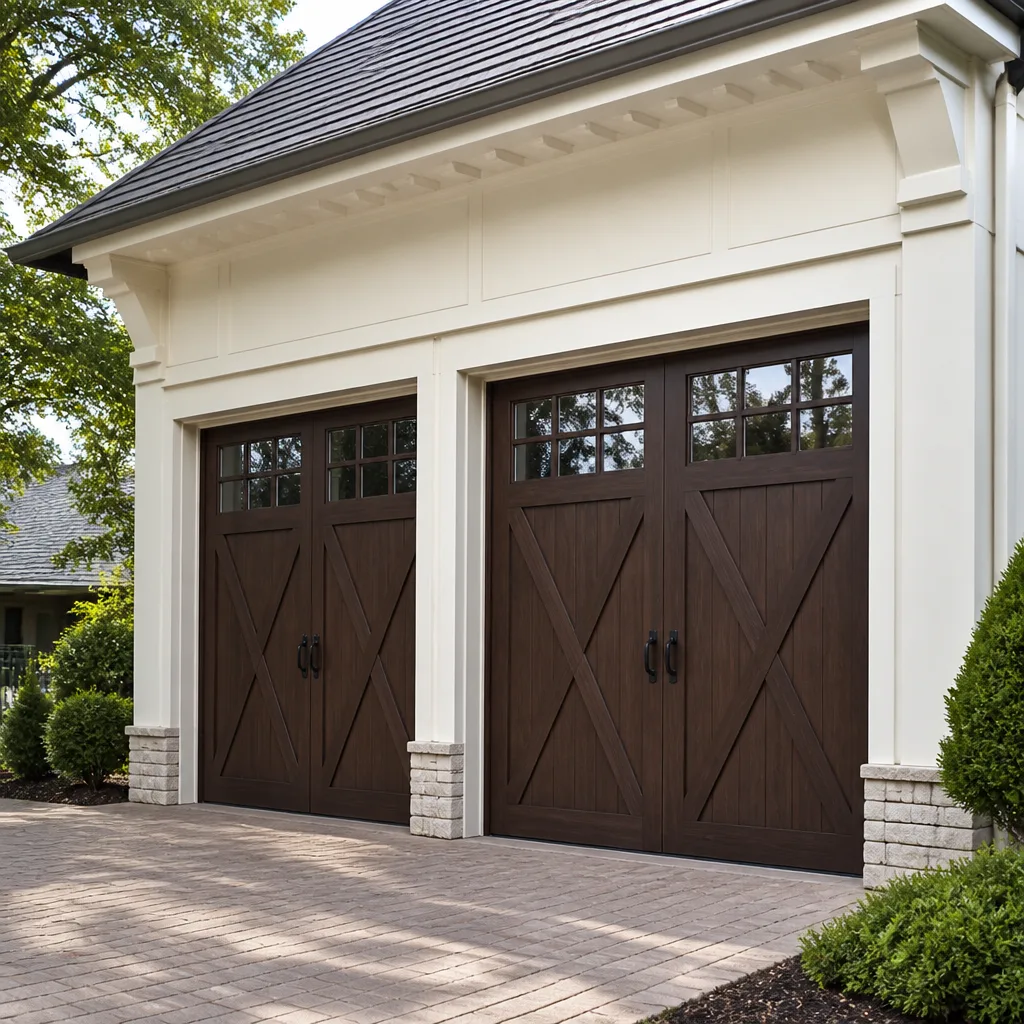 Carriage house
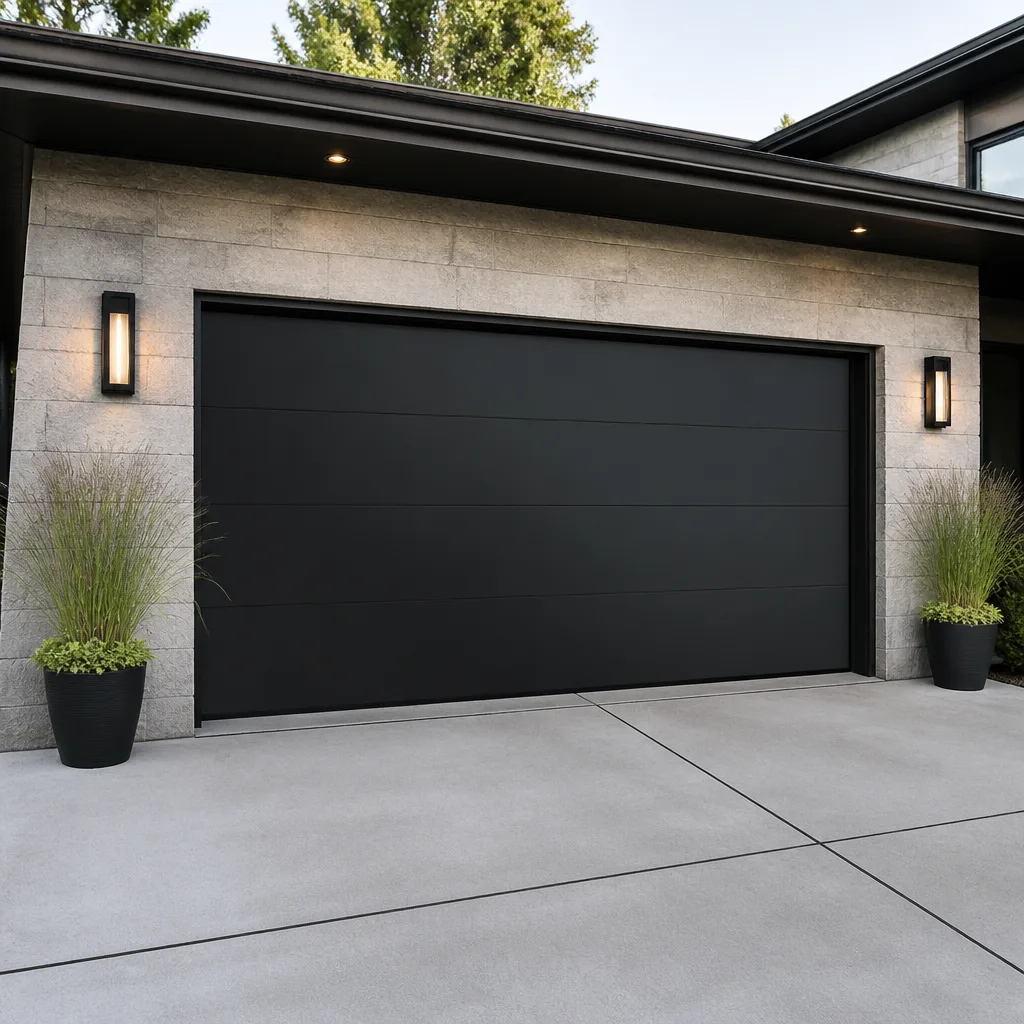 Modern flush
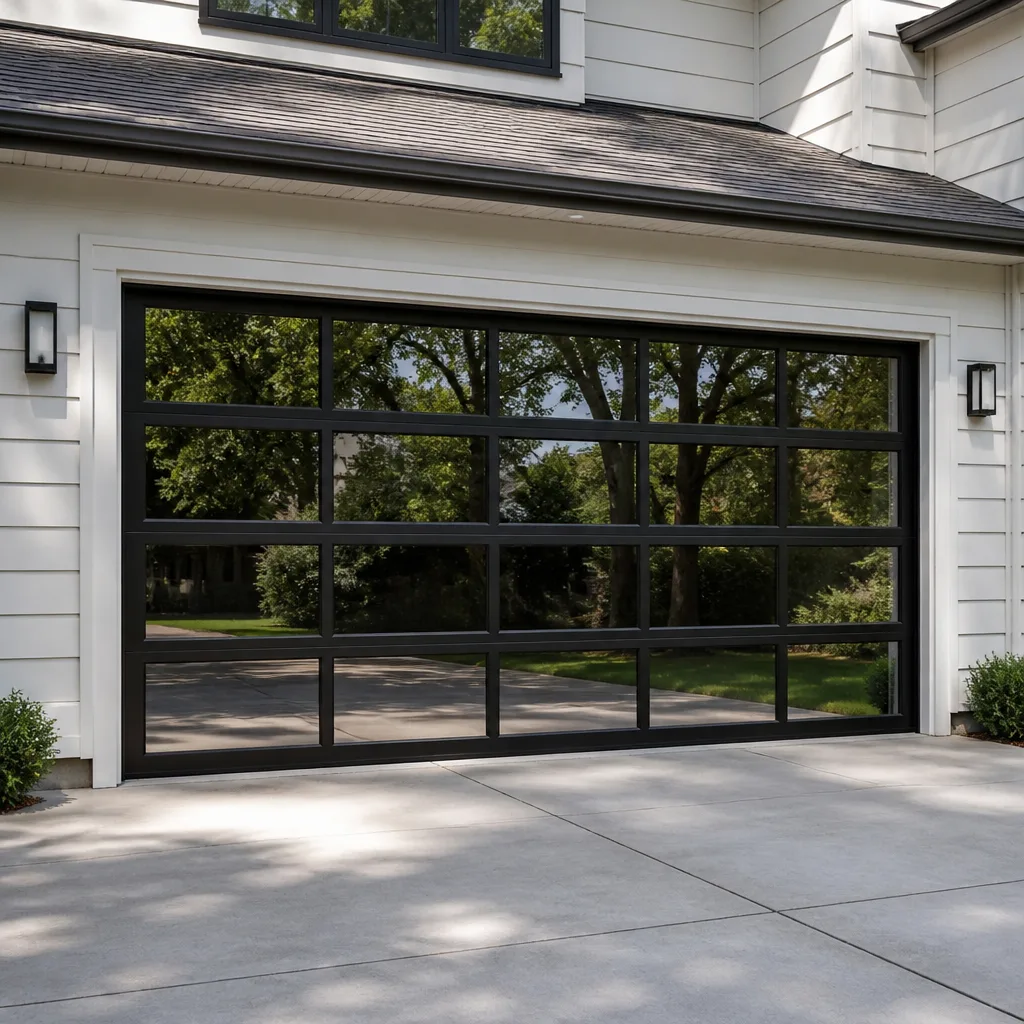 Full-view glass
 LiftMaster openers
 Chamberlain openers
Full 25-point door and opener safety check with every visit - springs, cables, rollers, tracks, and your LiftMaster or Chamberlain opener included
You get a price before we start. It does not change when the pro arrives.
Get your free estimateSeasonal Garage Door Care for Broomfield: Year-Round Homeowner’s Guide
Winter doesn’t kill most garage door springs in Broomfield. The freeze-thaw cycles of late February and early March do. That’s the window when our phone rings most, and almost every one of those calls traces back to something that could have been caught in the fall. Broomfield’s seasons don’t hand off gently. A 60-degree February afternoon can follow a week of single-digit nights, and that whiplash puts stresses on a door that a mild climate never delivers. This guide walks through what each season actually does to your garage door here, and what to check before the damage sets in.
Quick Answer
Seasonal garage door care in Broomfield means checking spring tension, bottom seal condition and opener force settings in the fall before the first hard freeze; watching for track binding and ice-damaged seals through the February and March freeze-thaw window; inspecting for rust, cable wear and cracked weatherstripping in spring; and checking panel UV damage, opener electronics and hail impact in summer. The single most useful habit is a short visual inspection at each season change, backed by a professional tune-up when anything looks off.
Styles & brands we work with
- Raised-panel steel
- Carriage house
- Modern flush
- Full-view glass
- LiftMaster openers
- Chamberlain openers
Table of Contents
- Why Broomfield’s Climate Is Hard on Garage Doors
- Fall Prep: What Actually Matters Before a Colorado Winter
- The February Failure Pattern: Why Doors That Worked in December Bind in Late Winter
- Spring: Repairing What Winter Actually Did
- Summer: UV, Solar Heat and Hail Season
- The Month-by-Month Broomfield Garage Door Calendar
- Brand-Specific Notes for Common Broomfield Openers and Doors
- Common Mistakes to Avoid
- When to Call a Professional
- Frequently Asked Questions
Why Broomfield’s Climate Is Hard on Garage Doors
Broomfield sits on the Front Range bench between Denver and Boulder, and that position produces a specific pattern: warm daytime sun, cold clear nights, and rapid swings that repeat all winter. A garage door is a large steel or wood panel assembly with moving parts under constant spring tension. Metal expands when it warms and contracts when it cools. The door panel, the track it rides in, and the springs that lift it all expand and contract at slightly different rates. Over one season that’s harmless. Over a winter of repeated swings, it adds up to misalignment, seal wear and tension drift.
The homes around Broomfield make this more noticeable than you might expect. Neighborhoods like Anthem, Highland Park and Broadlands share a pattern of attached garages facing west or south, which means the door face absorbs the strongest afternoon sun and then cools fast after sunset. That daily cycle is what ages weatherstripping and stresses the bottom seal faster than the calendar year alone would.
There’s a second local factor: wind. Broomfield’s open benchland position means wind-driven grit and debris against the door and track more often than in sheltered areas. That grit works into rollers and hinges and turns into a grinding noise long before anything actually fails.
None of this is a reason to worry. It’s a reason to check at the right times. A door that gets a short inspection each season handles the local climate without drama. A door that gets none tends to fail at the worst moment, usually on a cold morning when you’re already late.
Fall Prep: What Actually Matters Before a Colorado Winter
Fall prep is not a long list. Most seasonal guides pad this section with tasks that don’t move the needle. In Broomfield, three checks matter more than everything else combined: spring tension, bottom seal condition, and opener force settings.
Check spring tension before the first hard freeze
The springs above your door carry the entire weight of it. When the temperature drops, the metal contracts and the tension in a spring changes. A spring that’s already near the end of its life will often limp through a mild winter and snap the first time the mercury drops hard. A simple balance check tells you whether the door is still lifting evenly: with the door closed, pull the release handle to disconnect the opener, lift the door halfway by hand, and let go. A balanced door stays put. A door that drops or climbs on its own is telling you the springs are out of balance and should be looked at before winter. Do not attempt to adjust the springs yourself. The stored tension in a wound garage door spring can cause serious injury, and manufacturers and safety guides consistently warn against DIY spring work.
Inspect the bottom seal
The bottom seal does two jobs: it blocks weather and it cushions the door’s travel. A cracked or flattened seal lets cold air, snowmelt and grit under the door, and it stresses the opener every time the door closes because the safety reverse may not trigger cleanly. Run a hand along the seal and look for hardening, splits or sections that have pulled away from the retainer. Replacing a bottom seal is one of the cheapest seasonal tasks and one of the most effective.
Reset opener force settings for cold weather
Opener force settings drift as temperatures fall. A door that opens smoothly at 70 degrees may need slightly more force at 20 degrees because lubricant thickens and metal contracts. Openers like LiftMaster and Chamberlain units have force adjustment controls that can be set to match seasonal conditions, and most will also show a diagnostic blink code if they’re struggling. If your opener starts reversing on cold mornings or stopping halfway, that’s a force setting issue, not a broken door. Do not simply crank the force up to maximum; too much force defeats the safety reverse and is a real hazard, especially around children and pets. If you’re not sure how to set it correctly, that’s the moment for a garage door opener repair visit.
Handle these three items in September or October, and your door is ready for the thermal whiplash that arrives in February.
The February Failure Pattern: Why Doors That Worked in December Bind in Late Winter
Here’s a pattern we see every year in Broomfield. A door that opened and closed perfectly in December starts to bind in late February. It’s not a mystery, and it’s not bad luck. It’s thermal expansion of the track.
As winter progresses, the ground beneath the garage shifts with repeated freeze-thaw. Here on the Front Range, that cycle is more aggressive than in colder climates that stay frozen all winter. Water seeps into small cracks, freezes, expands and pushes. The side tracks of a garage door are anchored to the framing, and those anchors take the cumulative effect. Add the daily warm-cold swing on the door face from afternoon sun and cold nights, and you get a track that is gradually pulled out of plumb or a panel that has warped enough to drag.
The symptoms show up in a predictable order:
- Grinding or squealing as the door moves, often first thing in the morning when everything is coldest.
- The door binds halfway and the opener reverses or stops, usually because the track has shifted.
- The door closes unevenly with a visible gap on one side, which stresses the bottom seal and the opener.
- The opener strains or trips its overload because it’s fighting a door that no longer runs free.
In our experience, most February emergency calls trace to one of two things: a spring that was already tired and gave out on a very cold morning, or a track that shifted enough to bind the door. The spring failure gets the attention, but the track issue is often the preventable one. A fall inspection that includes checking whether the tracks are still secure and plumb catches it before the cold finds the weak point.
The other February factor is ice. Melting snow during the day runs under the door and freezes at night, gluing the bottom seal to the floor. That freeze grip puts extra load on the opener every morning. A well-fitted bottom seal and a cleared apron in front of the door cut that problem down sharply.
If your door stops moving entirely and a vehicle is trapped behind it, that’s a situation for emergency service. Get in touch at (833) 632-3182 and we’ll get a trained technician to the door.
Spring: Repairing What Winter Actually Did
Spring care isn’t just “lubricate everything.” It’s a targeted inspection for the specific damage a Front Range winter leaves behind. By the time the thaw settles, your door has been through dozens of freeze-thaw cycles, abrasion from grit and windblown debris, and repeated thermal stress on every moving part. Spring is the time to find what that did.
Check for rust on panels, hinges and rollers
Steel panels without a protective finish take rust at the seams and along the bottom edge where snowmelt sits. Rusty hinges and rollers turn a smooth door into a noisy one and accelerate wear on the track. A light clean and a proper garage-door-rated lubricant on hinges, rollers, springs (the safe exterior surfaces only) and pivot points restores most of the smoothness.
Inspect cables for wear from frozen drums
Cables wrap around a drum at the top of the door. During winter, moisture on the cable freezes into the drum, and the cable rubs against ice on every cycle. That friction frays the strands. A cable with broken strands or visible wear is a safety risk and needs replacement. Check by looking for fraying or kinks along the cable, not by touching tension. Cables are under high load and should only be replaced by a trained technician. Our garage door spring repair service covers cables and drums together, since they work as a system.
Check weatherstripping that hardened and cracked
The rubber or vinyl weatherstrip around the door perimeter hardens over winter and loses flexibility. Once it’s brittle, it cracks, tears away from the frame, and stops sealing. Run a finger along the top and sides and replace any section that’s stiff or splitting. This is one of the easiest weekend tasks and one of the most effective for blocking drafts and pests.
Re-check spring balance and opener travel limits
Spring is the natural time to rebalance the door and reset opener travel limits after everything has settled. If your door now hits a little too hard at the bottom or slams up at the top, the limit settings have drifted. A professional tune-up in garage door repair territory can reset them so the door closes softly and reverses safely.
Summer: UV, Solar Heat and Hail Season
Summer in Broomfield is the season of steady sun and sudden hail. Both have specific effects on your garage door that a generic four-season checklist misses entirely.
UV degradation of panels and finishes
Summer sun on a west-or south-facing door does real damage over time. Paint and factory finishes fade, and a wood door’s clear coat breaks down. The bottom panel gets the worst of it because it sits lowest and reflects heat back. Inspect the door face for chalky paint, hairline cracks and discoloration. A renewed coat of exterior paint or a fresh factory-matched finish every few years restores appearance and slows UV wear. Clopay steel doors with a factory finish hold up well but, like any painted surface, will eventually need a refresh.
Solar heat and opener electronics
Summer heat affects the electronics in your opener as much as it affects the door face. A garage gets very warm in midday sun, and opener motors, logic boards and wall controls are sensitive to that. If your door starts acting intermittent in July and August, the heat alone is often the cause. Genie and Chamberlain units have temperature tolerances and may need a service check if they start behaving erratically. Good airflow through the garage helps here, and so does keeping the opener’s motor housing free of dust and debris.
Hail season and inspection timing
Front Range hail often arrives from late May through August. A hail hit on a garage door can crack a fiberglass panel, dent a steel one or knock paint off. Time your inspection right: go over the door face and window panels after any significant storm, not just once at the start of the season. Small dents and cracks can turn into bigger problems with the next thermal cycle. Catching them early is far cheaper than replacing a panel later.
Summer is also the best time for any planned door replacement. Warm, dry weather makes installation go smoothly, and it’s the natural season to handle a full door swap or upgrade.
The Month-by-Month Broomfield Garage Door Calendar
Here’s a seasonal calendar matched to what Broomfield’s climate actually does each month. It’s not a generic four-season template; the timing reflects local freeze-thaw and hail patterns.
- January: Listen for new squeaks and check that the door reverses properly with a test block. Cold-week opener behavior tells you about force settings.
- February: The critical month for binding doors. Watch the track for grinding, and clear snow and ice from the door apron so the bottom seal doesn’t freeze.
- March: Peak season for spring failures. Any door that’s been trying to open slowly or unevenly all winter should be looked at now, before a breakage.
- April: Full spring inspection: rust on hinges and rollers, cable wear, hardened weatherstripping, and a recheck of spring balance.
- May: Start hail watch. Inspect the door face after any significant storm and note any dents or cracks.
- June and July: Heat check. Watch for opener electronics acting up in warm weather and re-lubricate moving parts before they dry out.
- August: Best window for planned maintenance and door replacement. Cooler mornings make the work easy and the schedule open.
- September: Fall prep begins. Check spring tension, bottom seal and opener force settings before the first freeze.
- October: Replace any weatherstripping you flagged in spring. Clear and check the bottom seal, and re-lubricate hinges and rollers.
- November and December: Watch the door on the coldest mornings. If it slows or reverses, that’s your early warning for February.
That’s ten active months of light attention, and it takes less time each month than filling the car with gas.
Brand-Specific Notes for Common Broomfield Openers and Doors
Different brands handle the local climate differently. A few specifics for equipment we work on regularly:
- LiftMaster and Chamberlain openers: Force and travel limit adjustments are accessible and can be set to match seasonal conditions. Their diagnostic light codes are genuinely useful when a door starts acting up in cold weather, and knowing how to read them saves time.
- Genie openers: Sensitive to heat drift, these units sometimes need limit resets in mid-summer. Their drive systems also wear faster in dust, so cleaning the chain or belt track helps in a windy location.
- Clopay and Amarr doors: Both manufacturers offer insulated and non-insulated steel panels that perform well on the Front Range. Factory finishes hold up under UV but still benefit from a periodic refresher.
- Wayne Dalton, Craftsman and Raynor: Common across Colorado homes for both openers and doors. Their service points and part tolerances differ, which is why knowing the brand up front makes diagnosis faster.
We service all eight major brands: LiftMaster, Chamberlain, Genie, Clopay, Amarr, Wayne Dalton, Craftsman and Raynor. Working on a specific system means we know what’s likely to fail before we look, and it means every technician and every tool is garage-door-focused, not split across a dozen home-service trades.
Common Mistakes to Avoid
- Reaching for the spring tools. The stored tension in a garage door spring can cause serious injury if released improperly. Every manufacturer and safety guide warns against DIY spring replacement for good reason. Call a professional instead.
- Cranking up the opener force to fix performance. If the door is binding, the real fix is the track or the spring. Overriding the safety reverse to force the door through a bind is a genuine hazard, especially with children or pets near the door.
- Ignoring February binding. A door that binds in late winter won’t fix itself when the thaw comes. The track or panel damage only gets worse. Get it checked while the problem is small.
- Lubricating the wrong parts. Engine oil and WD-40 are not garage-door lubricants. Use a product meant for garage door hinges and rollers, and never coat the cables or the interior spring coils in a way that traps grit.
- Skipping the fall seal check. A tired bottom seal lets in snowmelt and grit, which then freezes and stresses the opener every cold morning. It’s a ten-minute task that saves weeks of small problems.
- Waiting for the first hard storm to inspect in summer. Hail inspection has to happen after the storm, not before. Watch the door face all season and check after any significant event.
- Treating a new door as a maintenance-free door. Even a brand-new installation needs the same seasonal checks. Springs, seals and openers all wear on the same schedule regardless of age.
When to Call a Professional
Most seasonal care is homeowner territory: a visual inspection, a wipe of the tracks, a fresh coat of lubricant, checking the door balance by hand. But there are specific situations where a trained technician is the right call, not a DIY project:
- Your springs have failed or you suspect tension loss, and the door won’t lift or drops on its own.
- The door binds, tilts or comes off the track during operation.
- A cable is frayed, kinked or visibly damaged.
- The opener reverses unexpectedly, trips its overload, or won’t respond to the remote.
- Your door was hit by hail and needs a panel assessment or replacement.
- You’re ready for a full door replacement and want an honest evaluation of what will fit and what will last in this climate.
Broomfield Garage Door Repair Co offers free estimates in Broomfield. Call (833) 632-3182 to talk through what your door is doing and get a written price before anything starts. We answer 24/7, and fast dispatch runs from 7am to 7pm, Sunday through Friday. Every job is quoted and agreed before any work begins, so there are no surprises on the invoice.
Frequently Asked Questions
Once each season is the right rhythm for Broomfield – a light visual inspection at each change, with an extra check after any hard cold snap in February or March and after any significant hail in summer. A full professional tune-up once a year catches what a visual check misses.
Late winter binding in Broomfield is almost always thermal expansion and freeze-thaw movement rather than a single failing part. The track shifts and the panel warps enough over dozens of warm-cold cycles that a door which ran fine in December starts to drag by February. A track and panel inspection finds the cause quickly.
No. Springs are under high stored tension, and manufacturers and safety guides warn against DIY replacement because the risk of serious injury is real. Call a professional. It’s the one seasonal task where DIY is genuinely dangerous.
If the bottom seal feels stiff, cracked or has pulled away from the retainer, it needs replacing. A quick visual check along the bottom edge tells you everything you need to know, and replacing it is one of the most effective seasonal tasks you can do for weather protection.
A slight increase in effort is normal in cold weather because lubricants thicken and metal contracts, but the door should still move smoothly. If it slows dramatically, reverses or stops, that’s not normal seasonal behavior – it’s force setting drift or component wear that needs a service call.
Yes. Summer sun degrades paint and factory finishes, and hot garages strain opener electronics. Check the door face for UV damage and watch for intermittent opener behavior in warm weather. Genie and Chamberlain units in particular can drift on travel limits in high heat.
The Bottom Line
Seasonal garage door care in Broomfield comes down to timing. The local climate doesn’t transition gently, and the biggest risks arrive at specific moments: late-winter freeze-thaw binding, February spring failures, spring cable wear, and summer hail and UV damage. Handle the fall three (spring tension, bottom seal, opener force settings), watch the February freeze-thaw window, do a full inspection each spring, and stay on hail watch through summer. That’s a light seasonal routine, and it’s a fraction of the cost of an emergency repair. When something needs a professional hand, that’s what we’re here for.
For any repair, tune-up or replacement in Broomfield, Broomfield Garage Door Repair Co works on the brand you already have. Call (833) 632-3182 for a free estimate. We answer 24/7, and fast dispatch runs from 7am to 7pm, Sunday through Friday. Every technician is garage-door-focused, and every job is quoted and agreed before any work begins. Our technicians have up to 10 years of experience.
Written by the team at Broomfield Garage Door Repair Co.
See the difference
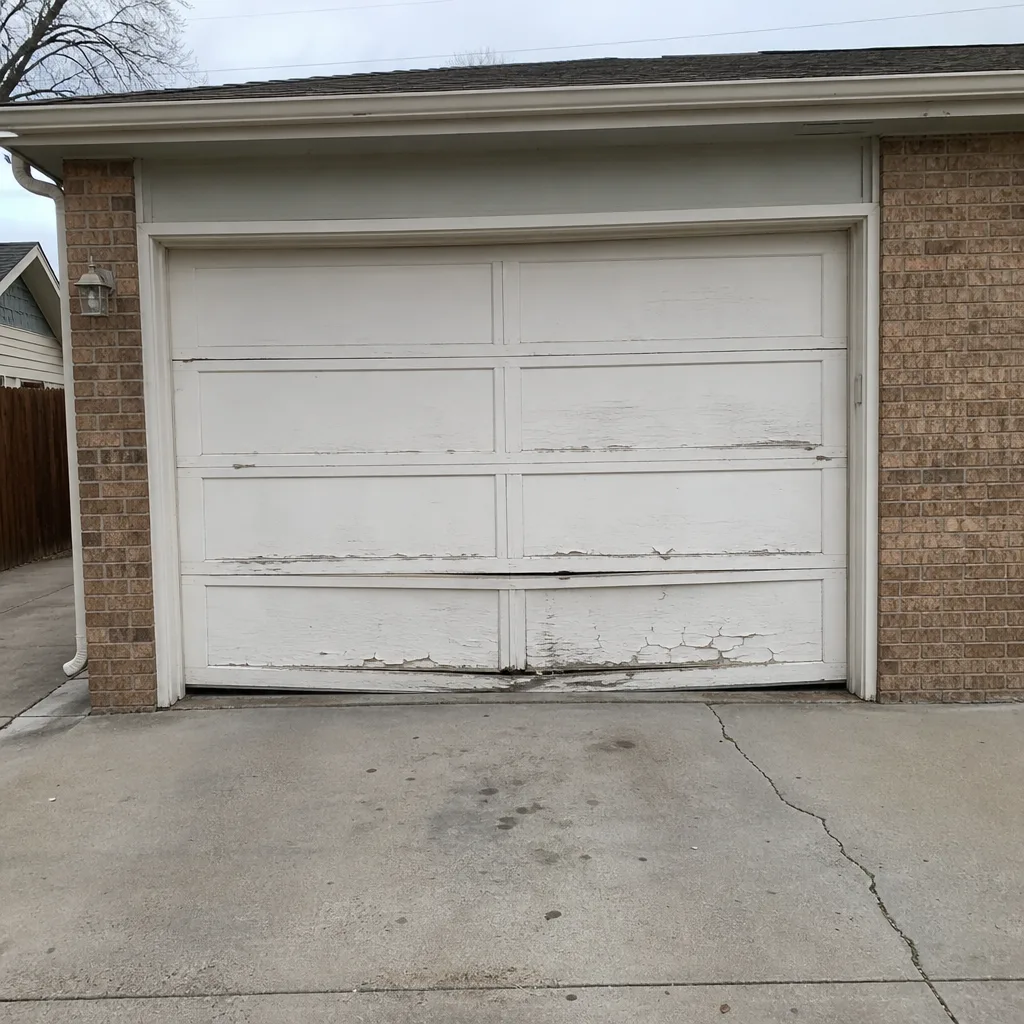 Before
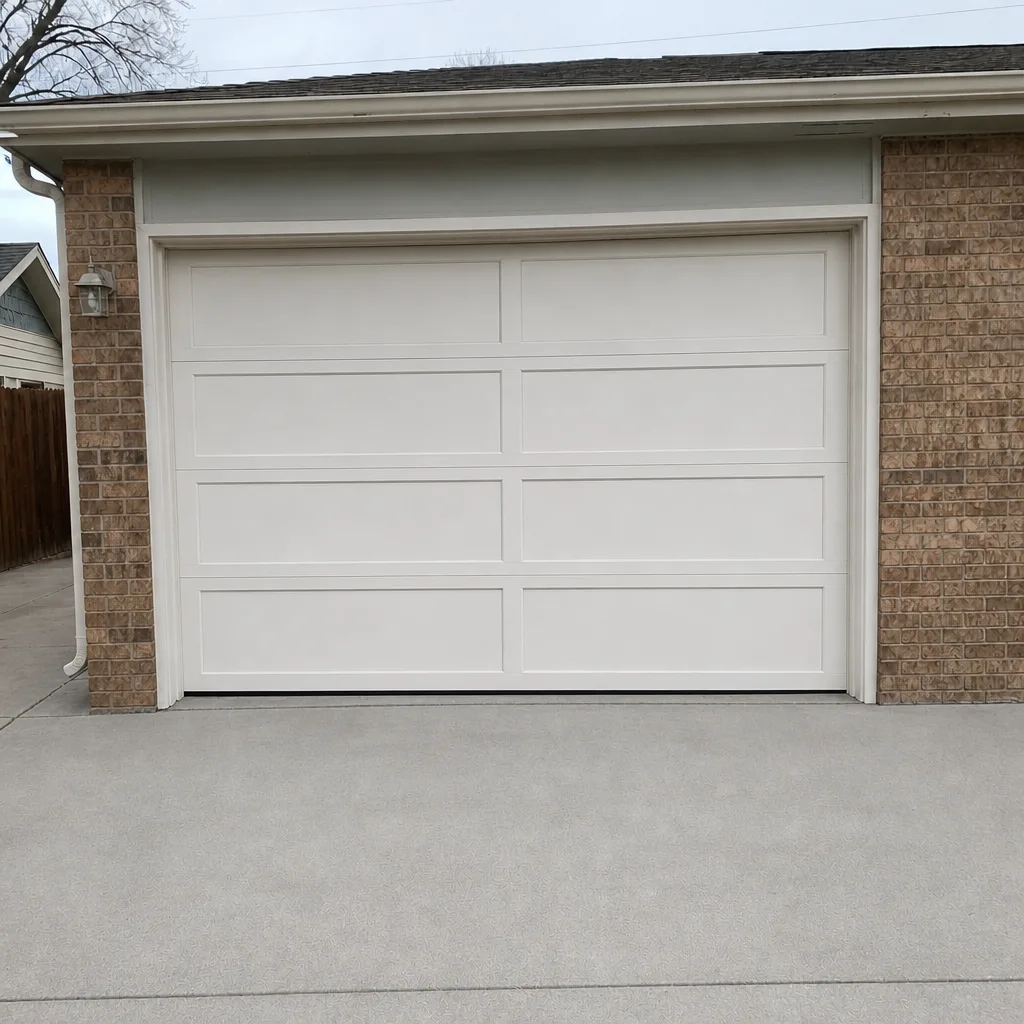 After
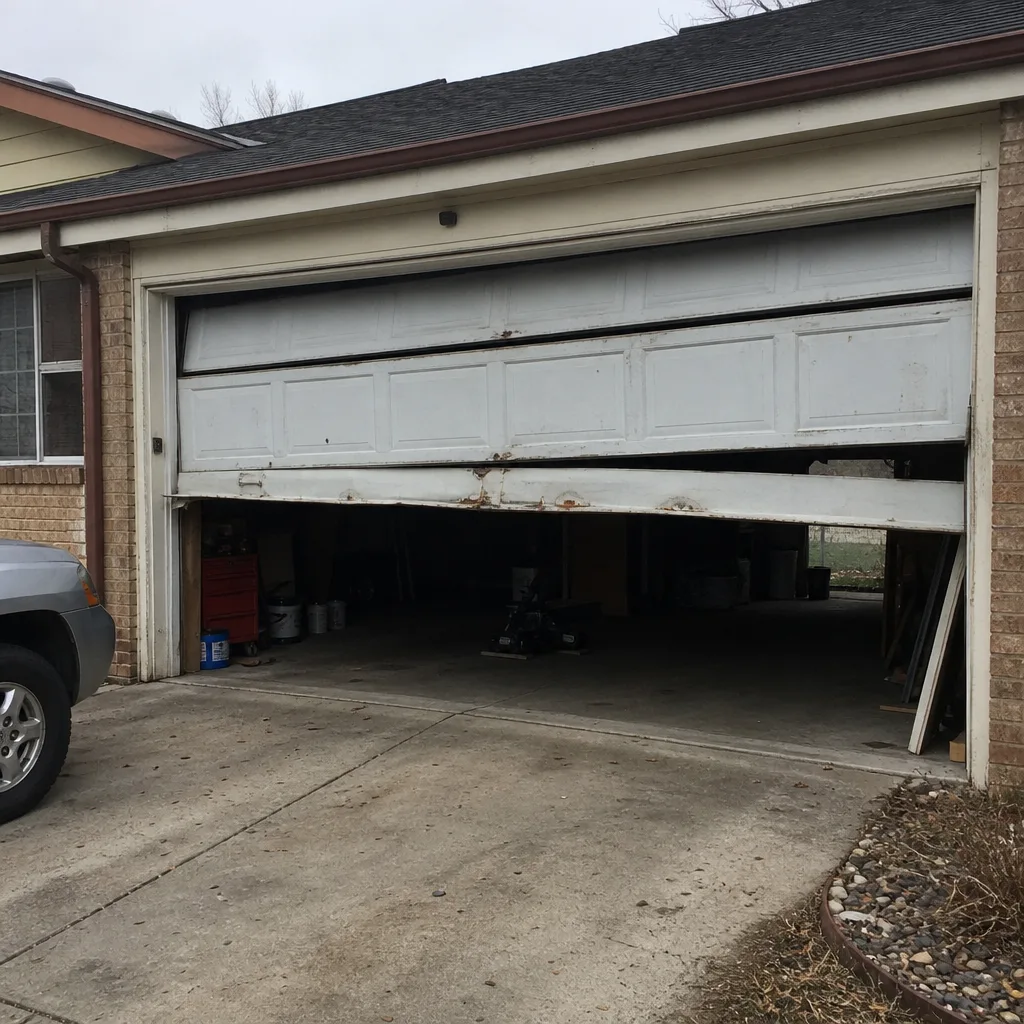 Before
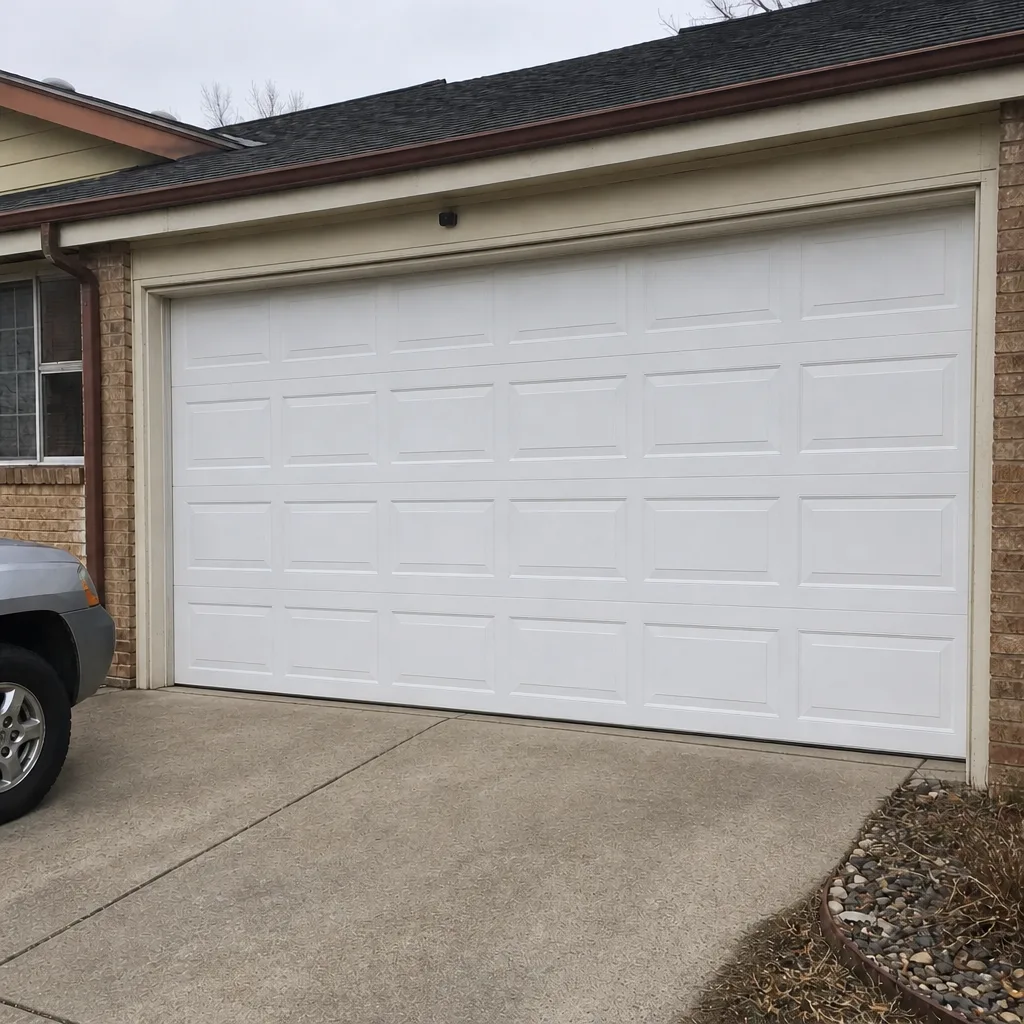 After
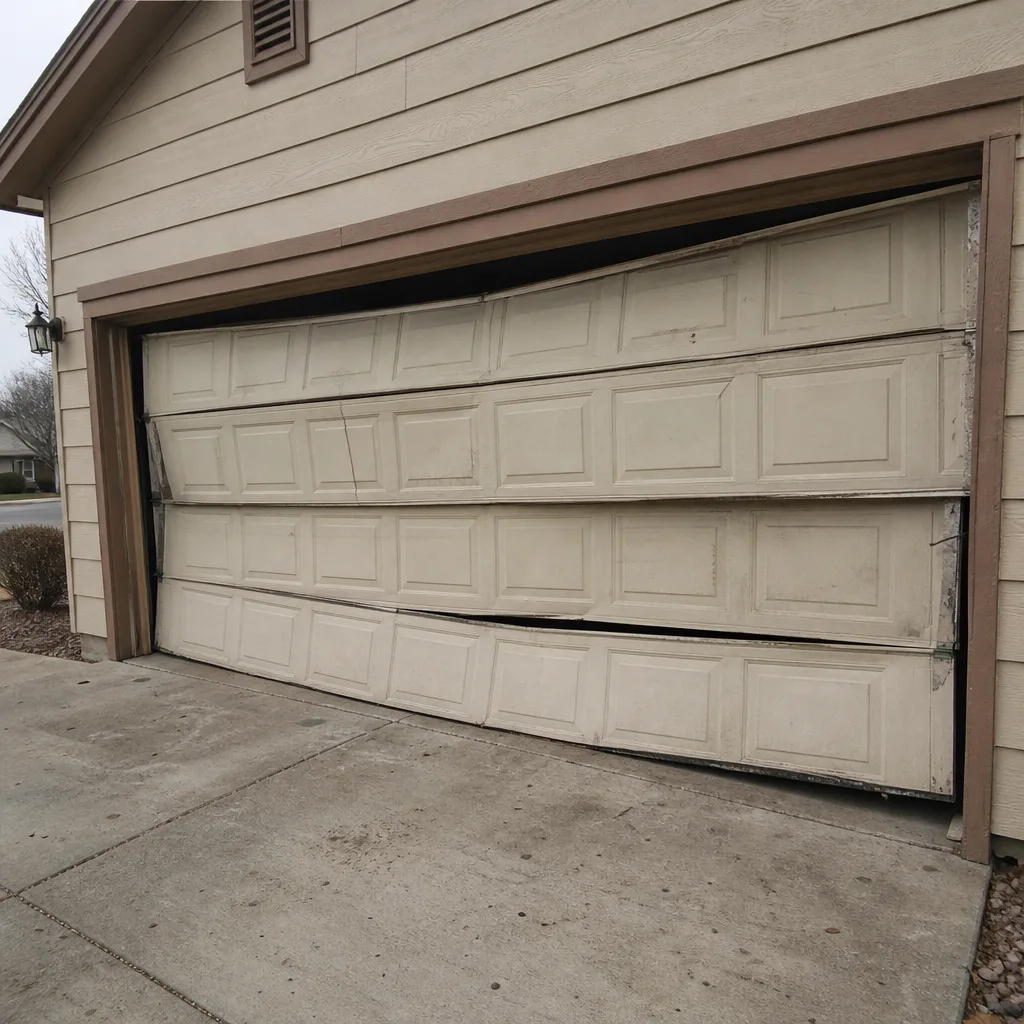 Before
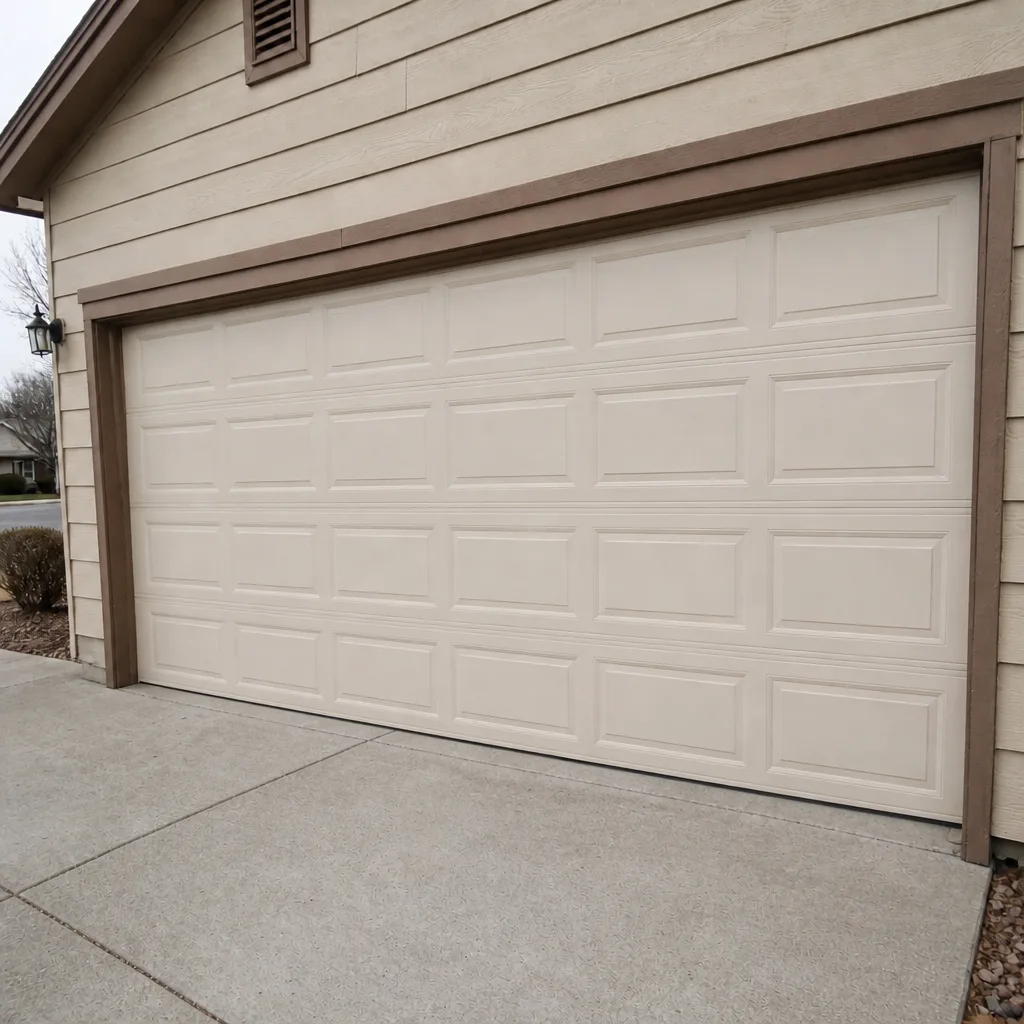 After