
Last updated November 22, 2026
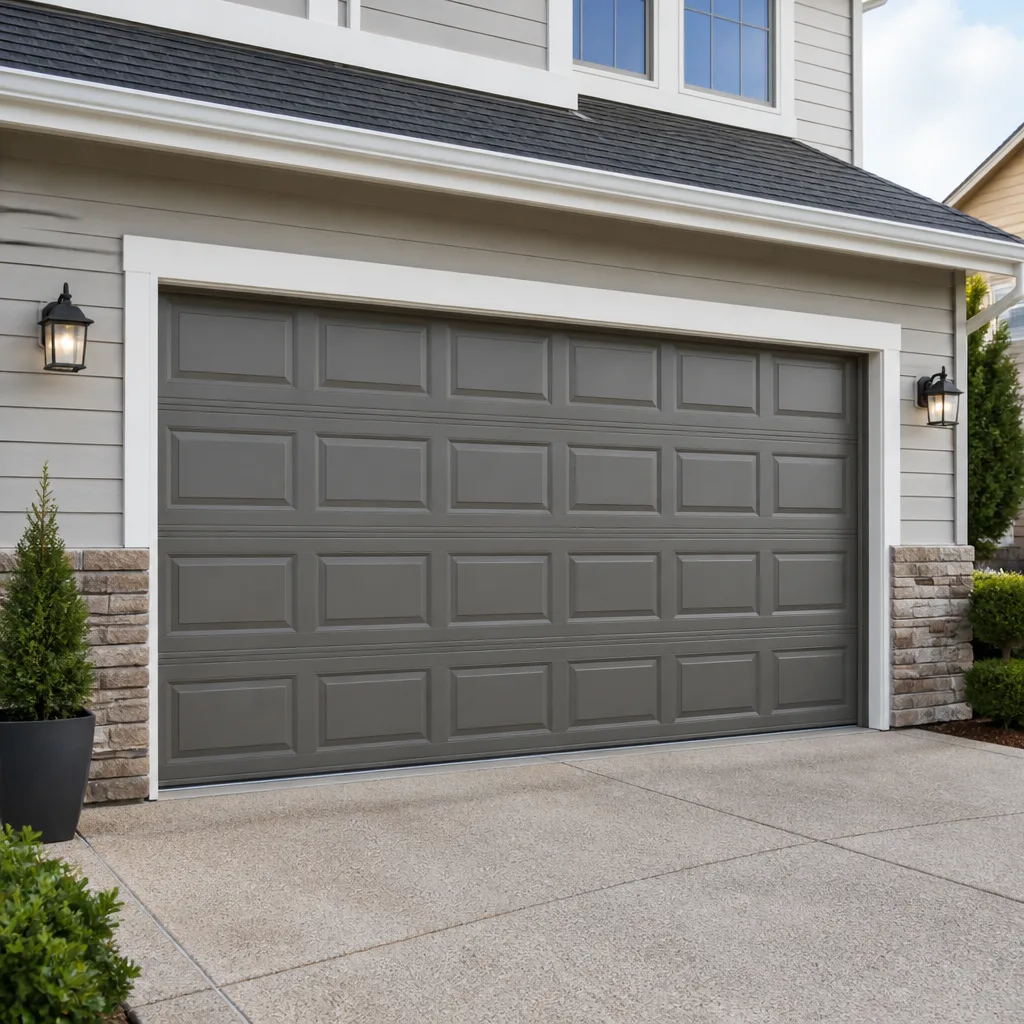 Raised-panel steel
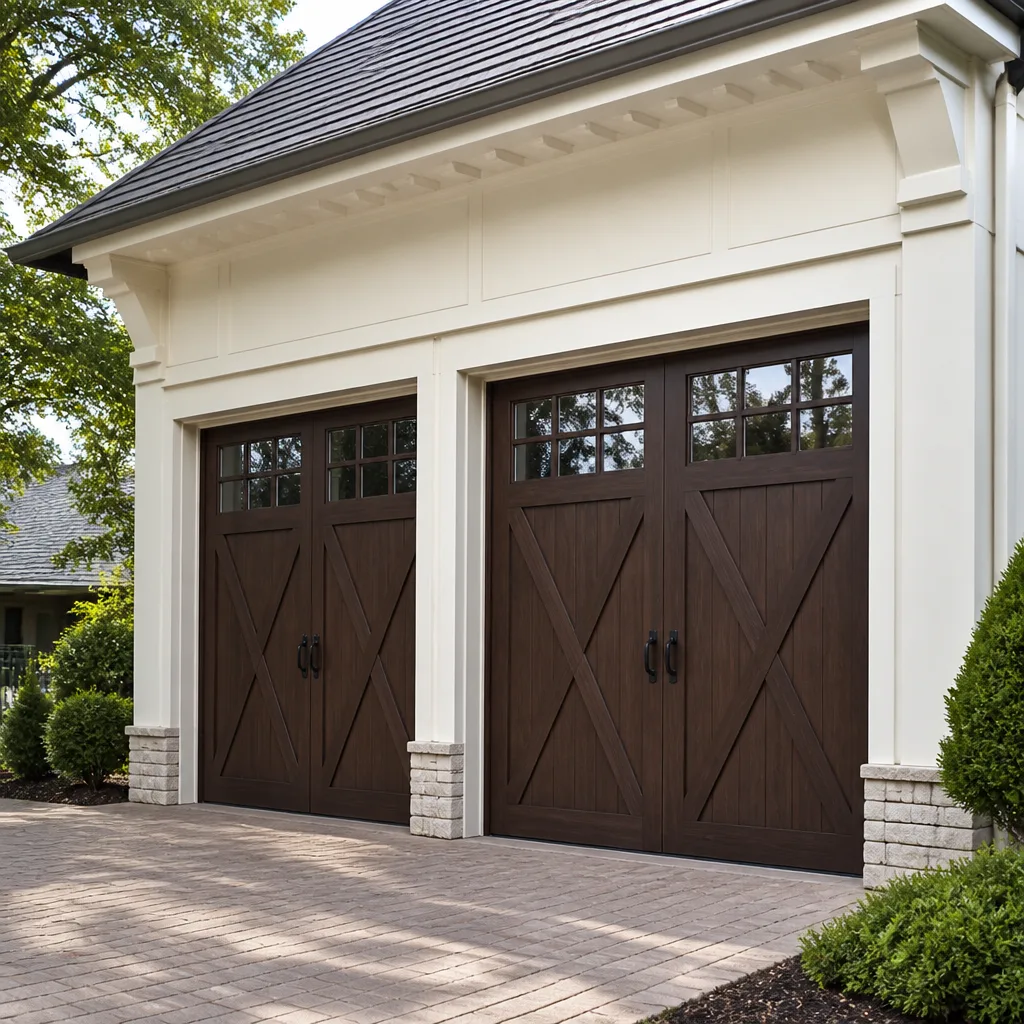 Carriage house
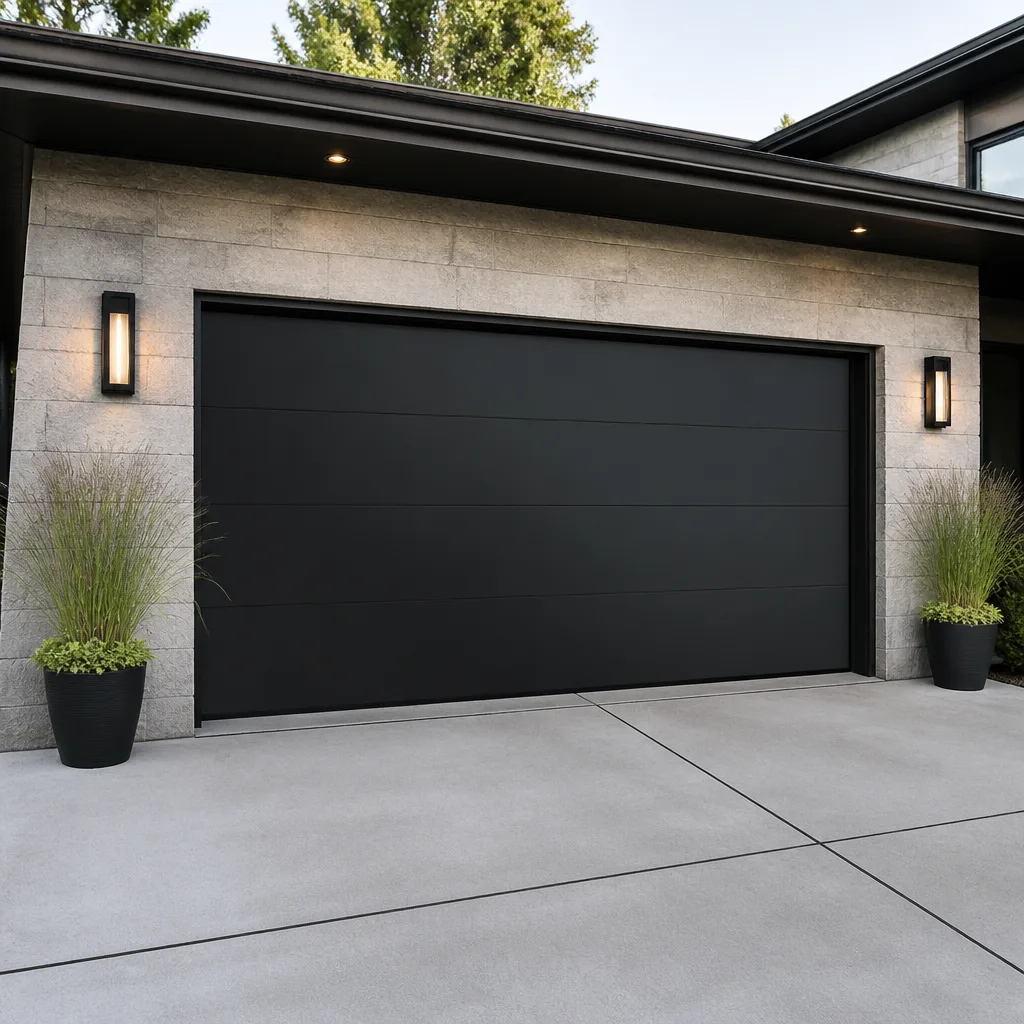 Modern flush
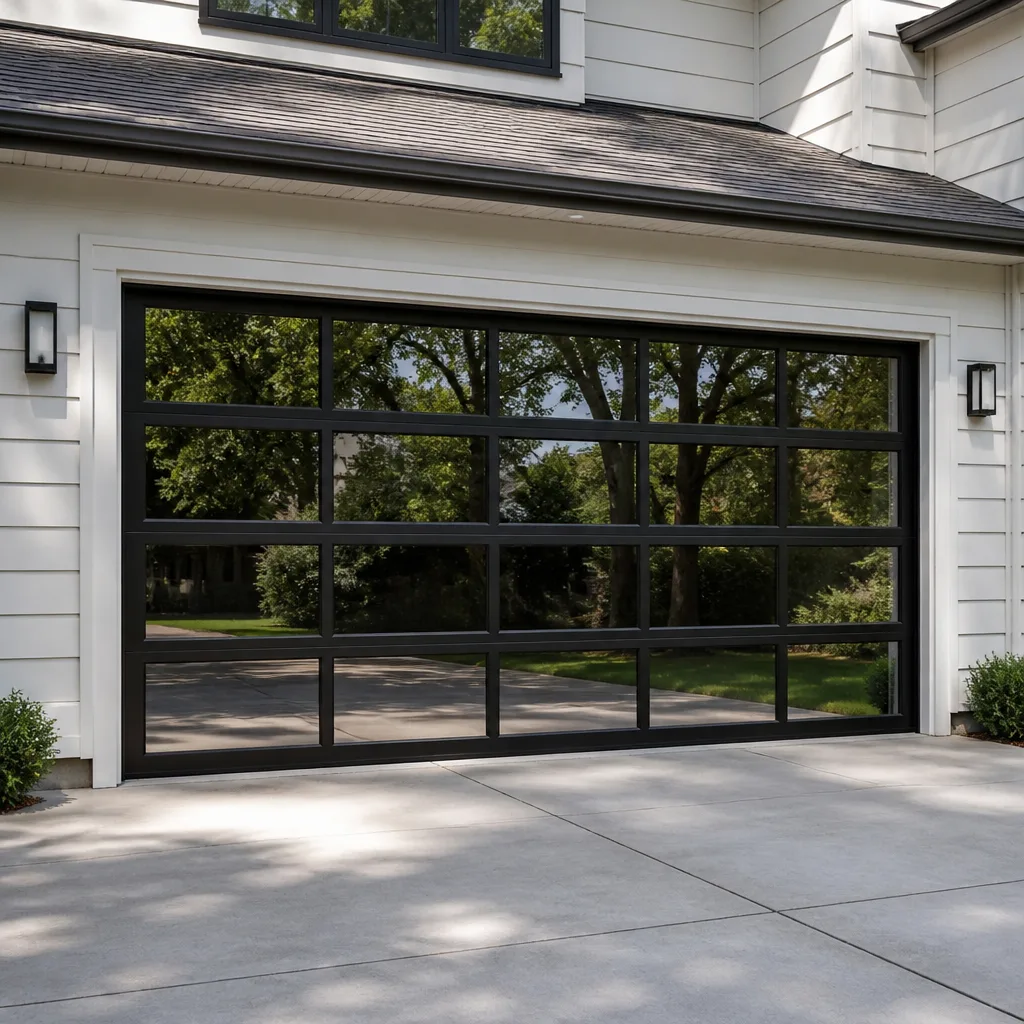 Full-view glass
 LiftMaster openers
 Chamberlain openers
Full 25-point door and opener safety check with every visit - springs, cables, rollers, tracks, and your LiftMaster or Chamberlain opener included
You get a price before we start. It does not change when the pro arrives.
Get your free estimateGarage Door Warning Signs: A Broomfield Homeowner’s Reference Guide
Most garage door failures send a warning first. The spring that snaps on a cold Broomfield morning has usually been showing a coil gap for weeks. The cable that lets go has been fraying near the drum for months. The problem isn’t that garage doors fail without notice; it’s that almost nobody has a reference for what normal looks, sounds, and feels like, so the early signals get filed away as “it’s always done that.”
This guide is that reference. We’ll decode the noises, the visual cues, and the movement changes that tell you a component is heading toward failure, and we’ll separate the warnings that let you schedule service from the ones that mean stop using the door today. You’ll finish with a 60-second monthly check that catches most developing problems before they turn into emergency calls.
Quick Answer
Garage door warning signs in Broomfield fall into three groups: sound (grinding, squeaking, popping, rattling, banging), sight (spring coil gaps, rust streaking, frayed cables, worn rollers), and movement (a slower door, a jerking door, a door that sits crooked at rest). Grinding and squeaking come from different causes and need different responses. Any sign of a broken spring, a frayed cable, or a door that drops when you pull the release means stop using the door and call a professional.
Styles & brands we work with
- Raised-panel steel
- Carriage house
- Modern flush
- Full-view glass
- LiftMaster openers
- Chamberlain openers
Table of Contents
- What Each Sound Is Telling You
- Visual Warning Signs: Springs, Cables, and Rollers
- Movement Warnings: Slow, Jerky, or Crooked Doors
- Schedule Soon or Stop Today? How to Triage a Warning Sign
- The 60-Second Monthly Walk-Around
- How Broomfield Weather Accelerates Wear
- What’s Normal for Your Brand and Opener
What Each Sound Is Telling You
Every sound a garage door makes comes from a specific place, and the cause behind each one is different. A grinding door and a squeaking door sound similar to a distracted ear, but one points to lubrication and the other to metal fatigue. Respond to them the same way and a small fix turns into a large repair.
Here’s the sound-by-sound breakdown we work from. Listen with the door closed and again with it running, since some noises only show up under load.
- Grinding. A low, continuous grind usually means metal-on-metal contact somewhere in the track or roller assembly. Worn roller bearings, dry hinges, or a track that has shifted out of alignment are the common culprits. Grinding doesn’t fix itself; if you ignore it, the rollers flat-spot and the track wears.
- Squeaking. A high, rhythmic squeak is almost always a lubrication issue on hinges, rollers, or the torsion shaft. This is the best-case warning sign because it points to a maintenance task, not a failing part. It’s also the noisiest sign homeowners let run too long.
- Popping. A sharp pop, often right as the door starts to move, usually points to a torsion spring that’s slipping or has begun to unwind unevenly. Popping can also come from a hinge plate that has worked loose. Either way it needs a look before the door cycles again.
- Rattling. A loose rattle through the whole cycle is a hardware problem: loose bolts, worn hinges, or a door panel that has started to separate from its stile. Rattling tends to get louder over weeks, which makes it a good baseline sound to watch.
- Banging. A heavy bang at the top or bottom of travel is a door hitting its limits hard. That usually means the opener’s travel limits are set too far, or a spring has lost tension and the opener is lifting more weight than it was designed for. Banging under load is the most urgent of the five sounds.
Once you know which sound you’re hearing, you can decide whether it’s a quick lubrication job or a part that’s approaching failure. For any of the mechanical causes above, our garage door repair service covers the full assembly, not just the noisy part.
Visual Warning Signs: Springs, Cables, and Rollers
Sound is the earliest warning, but sight is the most reliable. A few components show their wear plainly if you know what to look at, and the three that matter most are springs, cables, and rollers.
Springs
Torsion springs sit on the shaft above the door; extension springs run along the sides. Either type can warn you before it fails.
- Gap in the coil. A torsion spring is one continuous coil. If you see a visible gap between coil turns, the spring has stretched and lost tension and is on its way out. This is the single most important visual check.
- Rust streaking. A rust line along the wire is corrosion thinning the metal. Springs under tension and thinned by rust can snap without much warning beyond the streak.
- Uneven tension. If the two springs on a paired setup look different in wind, one is carrying more load. That unevenness shortens the life of both.
Springs are also the most dangerous DIY repair on a garage door. A spring under tension holds a lot of stored energy, and releasing it the wrong way can cause serious injury. We recommend having a trained technician handle any spring work, which is why spring repair is a core part of what we do.
Cables
Cables lift the door and keep it level. Check them where they coil around the drum at the top corners.
- Fraying near the drum. Broken strands at the drum end are the first sign of cable failure. A frayed cable can let go entirely; a snapped cable can whip loose.
- Slack on one side. If one cable is tight and the other sags, the door is being lifted unevenly. That stresses the panels and the track.
Rollers
Rollers run inside the track and take a lot of punishment. Worn ones announce themselves as sound, but they also show up visually.
- Flat spots. A true rolling roller is round. A flat spot means the bearing has seized and the roller is skidding instead of rolling, which drags on the track.
- Wobble. A roller that visibly wobbles in its stem is loose and out of true. Wobble turns into grinding, and grinding wears the track.
If a spring appears broken or a cable looks frayed, park the car outside and don’t run the door. call (833) 632-3182 and we’ll help you sort out the next step. If it’s hardware or rollers, our garage door opener repair and hardware service can have the door running quietly again.
Movement Warnings: Slow, Jerky, or Crooked Doors
How the door moves is often more telling than how it sounds, because movement reflects the balance between the springs and the opener. A garage door is a balancing act; when it’s in balance, the door feels light. When it’s not, the door tells you in three ways.
A door that moves slower than usual
If the door used to open at a steady pace and now drags, the most common cause is a spring that has lost tension. The opener is now lifting more of the door’s weight than it was designed to, so it slows under the load. Left alone, the opener motor takes the strain and starts to fail. A sluggish door is a spring problem wearing a disguise.
A door that jerks
Jerking or stuttering during travel points to a track that’s out of alignment, a binding roller, or a spring that’s catching on its coil. Jerking is also common when one side’s cable is slack and the other is tight, so the door is being pulled unevenly. Each of these catches a different part; the jerk is the symptom, the diagnosis needs eyes on the hardware.
A door that sits crooked at rest
Look at the door when it’s closed and not moving. A door that sits slightly off-level has one side carrying more load, usually a tired spring, a slack cable, or a roller that’s binding on one side. Crooked-at-rest is a genuine early warning: the imbalance gets worse with every cycle.
Movement warnings are where the monthly walk-around earns its keep. If your door is jerking or sitting crooked, stop and get eyes on it rather than running the opener until it gives out. A quick call lets us look before the motor, the track, or the panels take collateral damage.
Schedule Soon or Stop Today? How to Triage a Warning Sign
Not every warning sign carries the same urgency. Some buy you a few days to schedule service; others mean the door shouldn’t cycle again. Here’s how we sort them, in order from “watch it” to “stop now.”
- Watch it for a week or two. A squeak, a light rattle, or a door that’s slightly noisy but moves evenly. These point to lubrication or hardware that’s starting to loosen. Schedule maintenance when you can.
- Schedule within a few days. Consistent grinding, a door that’s clearly slower than before, a popped hinge, or rollers that wobble visibly. Run the door as little as possible until it’s looked at.
- Stop today. A visible gap in a spring coil, rust streaking on a spring, a frayed cable at the drum, a door that bangs hard at the top or bottom of travel, or a door that sits badly crooked. Park outside and call a professional.
The one test that tells you whether a door is safe to run: pull the emergency release with the door closed, then lift the door by hand. A safe, balanced door stays where you put it or lifts with one hand. A door that drops, or that fights you upward, is out of balance and shouldn’t be run until it’s adjusted.
If a warning sign has moved your door onto the “stop today” list, our emergency service is built for exactly that situation. Call (833) 632-3182. We answer 24/7. Fast dispatch from 7am to 7pm, Sunday through Friday. A call outside dispatch hours is booked into the next opening.
The 60-Second Monthly Walk-Around
Most of the failures we’re called out for could have been caught early by a monthly check that takes about a minute. You don’t need any tools for the visual part. Do this once a month and again before the first serious cold snap.
- Visual, closed door. Stand back and look at the door. It should sit level, with no gap under one side.
- Look up. Check the springs for a coil gap, rust streaks, or uneven wind. Check the cables at the drum for fraying or slack.
- Look at the rollers. Check for flat spots and wobble.
- Run the door. Listen to it as it cycles. Grind, squeak, pop, rattle, bang: match the sound to the cause list above.
- Watch the movement. Fast, smooth, and straight is normal. Slow, jerky, or crooked needs attention.
- Balance test. With the door down, pull the release and lift by hand. It should stay put or lift easily. Never test the balance with the door up near the ceiling.
That’s it. The visual checks catch springs and cables before they fail, the sound checks catch worn hardware, and the movement checks catch an opener being asked to do the spring’s job. Between the checks, keep moving parts lubricated with a proper garage door lubricant. Do not use heavy grease or WD-40 on springs and cables.
How Broomfield Weather Accelerates Wear
A garage door in Broomfield deals with real swings in temperature, from summer heat down to cold winter mornings, and those swings take a specific toll on the system. Metal expands and contracts with the seasons, and the parts under the most tension, springs especially, feel it most. A torsion spring under constant load can snap as metal fatigues, and the coldest mornings of the year are the moments when you’ll hear about it. Rust streaks that began in the damp shoulder seasons matter more than they look. Broomfield isn’t the coast, but moisture gets into the garage, and a spring thinned by rust starts a cycle behind.
The practical takeaway for Broomfield is simpler: the two times to look hardest are after the first serious cold snap and after a wet stretch. That’s when the door has taken the biggest hit and when the warning signs are most visible. Checking your springs before the cold sets in gives you a chance to replace a tired one on your schedule, not in an emergency call.
Our technicians have up to 10 years of experience working on garage doors in this climate, and they know what to look for as the seasons change. If a monthly check turns up something you’re not sure about, a free estimate tells you what you’re dealing with before it gets expensive.
What’s Normal for Your Brand and Opener
Garage doors and openers are not all built the same, and the warning signs can differ by brand. Knowing yours helps you read the signals correctly. For example, a LiftMaster or Chamberlain opener from the same family will usually react to a heavy door the same way, slowing under load, while a Genie or Raynor has its own feel. We work on the brand you already have, and we’re certified to work on eight major brands including LiftMaster, Chamberlain, Genie, Clopay, Amarr, Wayne Dalton, Craftsman, and Raynor. That matters when a warning sign turns out to be a brand-specific component.
Three things to know about brand and warning signs:
- Symptoms that look like a failing opener are often a spring or a roller problem; the opener is just the part you can hear working hard.
- Every opener manufacturer warns against DIY work on the springs and cables, even on a familiar brand.
- A door installed with one brand’s opener isn’t a reason to replace the door when the opener fails. Which brings you to Broomfield Garage Door Repair Co, where garage doors are all we work on.
Broomfield is the place we do this work, and our specialization means we’re not a general handyman picking through a dozen trades. Every technician, every tool, and every part here is garage-door-focused. If you’re not sure whether your door’s warning is a brand-specific quirk or a real problem, a look is all it takes.
Common Mistakes to Avoid
- Treating a grind and a squeak the same way. A squeak is usually a lubrication job; a grind is metal-on-metal wear. If you grease the grind and forget it, the wear accelerates.
- Oiling springs and cables to quiet them. Heavy grease can attract grit, and oiling a steel cable can hide early wear. Use a proper garage door lubricant on hinges and rollers only.
- Running the opener harder to force a slow door. If the door is slow, the spring is probably the problem. Running the opener until it fails turns a spring repair into a spring and opener repair.
- Testing the balance with the door in the up position. Test the door with it closed and the springs relaxed. Testing a raised door is a real safety risk.
- Trying spring or cable work yourself. Springs and cables are under major tension. Manufacturers and safety guides warn against it; a trained technician does it safer.
- Waiting until the door won’t move before calling. Warning signs give you a window to schedule. Waiting on a Broomfield door through a cold snap is when that window shuts.
- Assuming a crooked door is a track problem. Sitting crooked at rest usually points to a tired spring or a slack cable, not the track itself.
See the difference
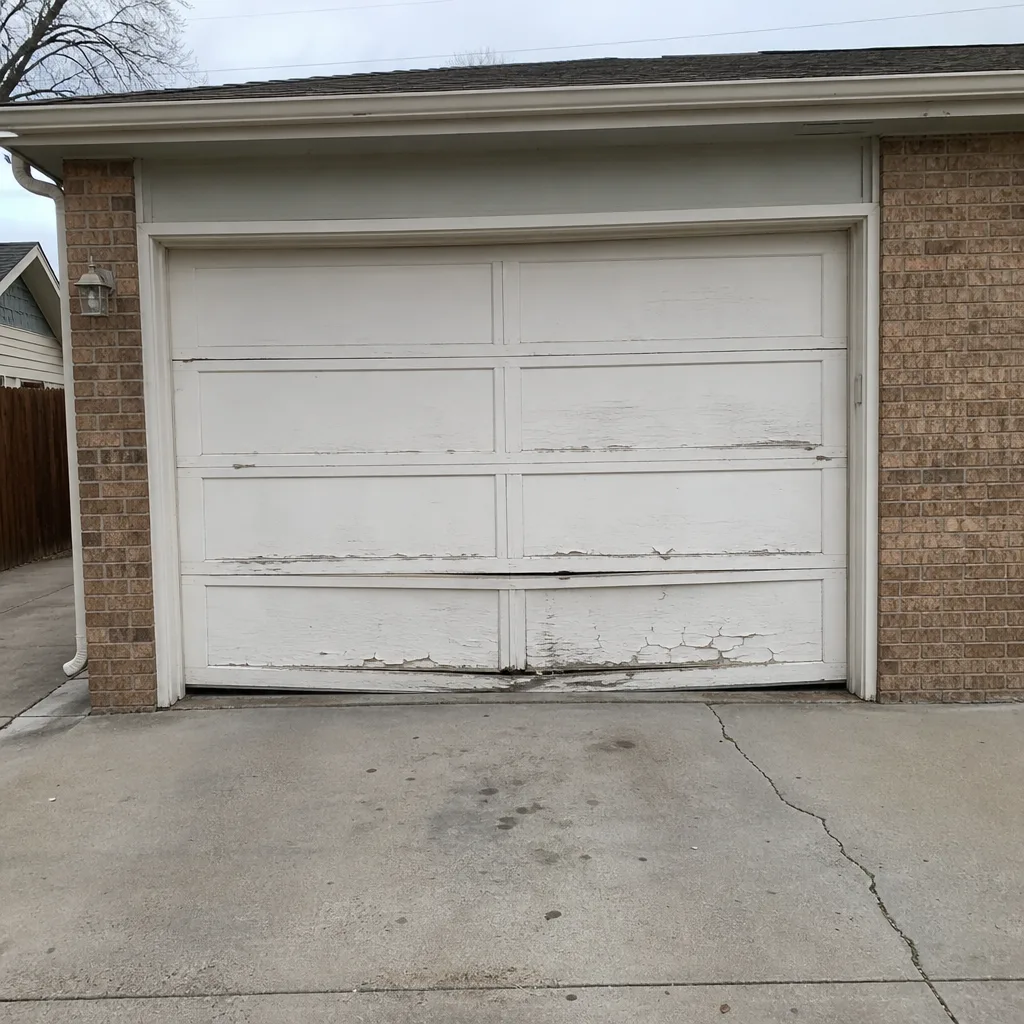 Before
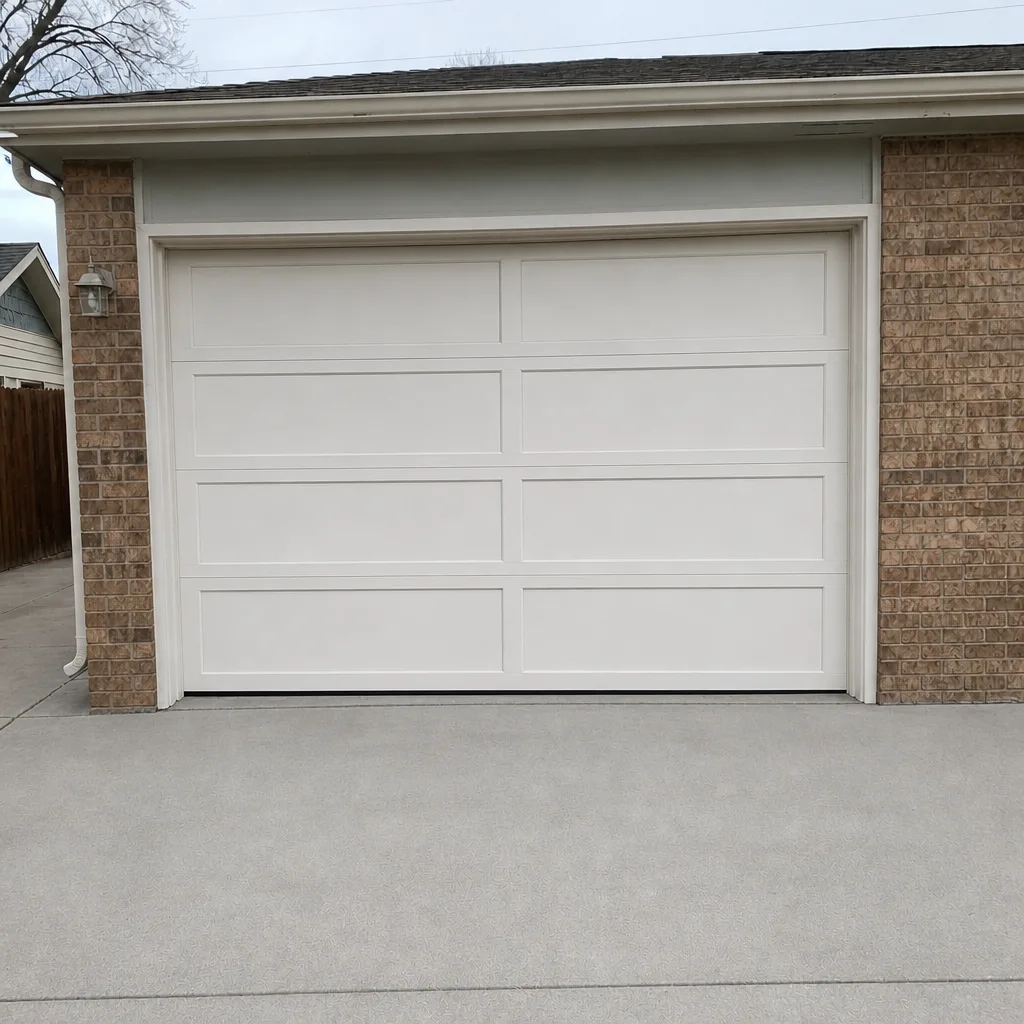 After
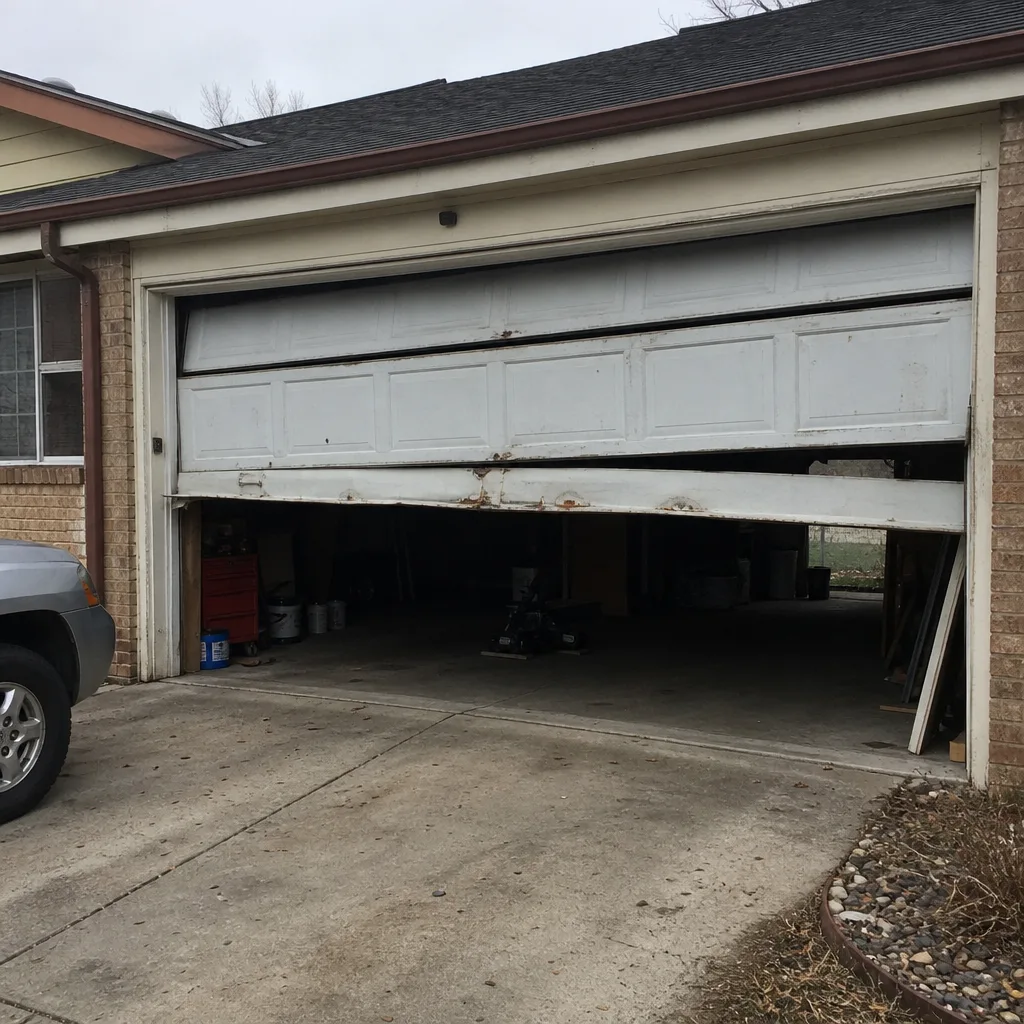 Before
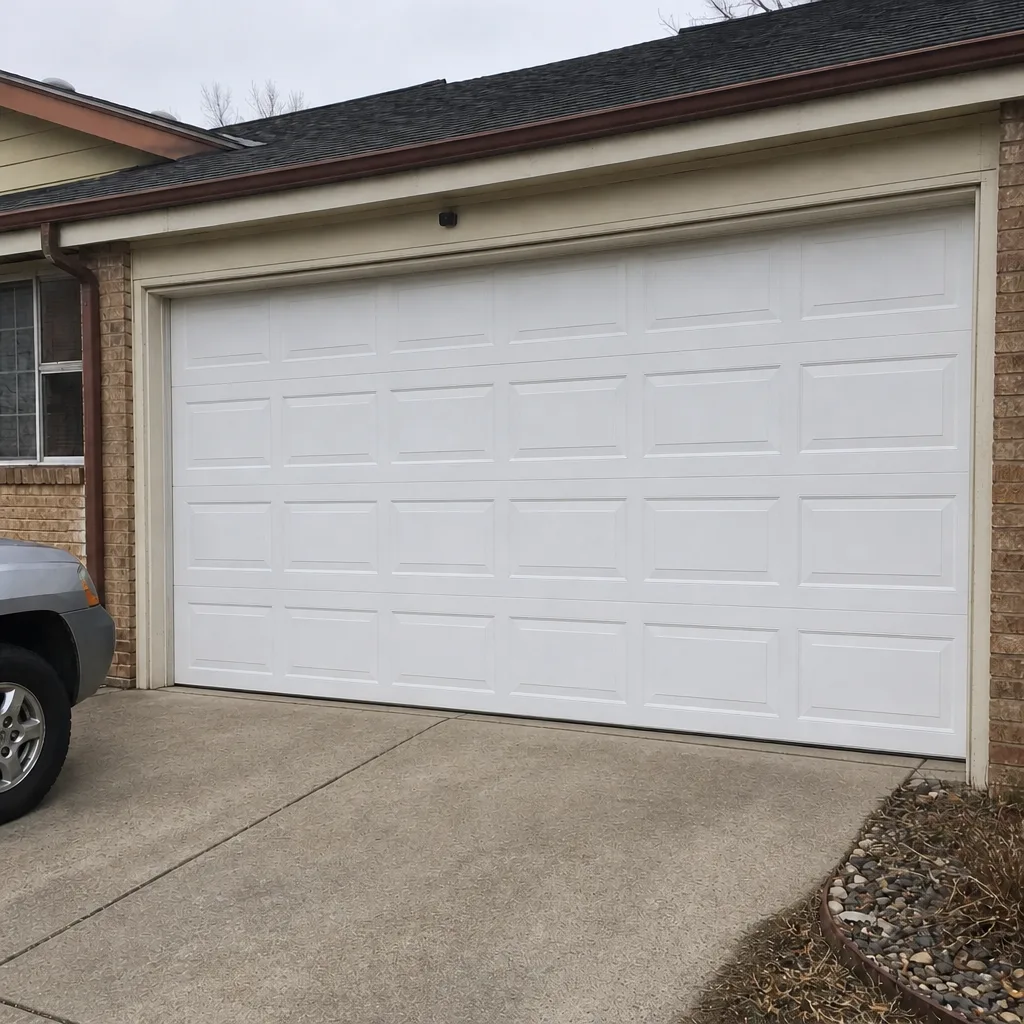 After
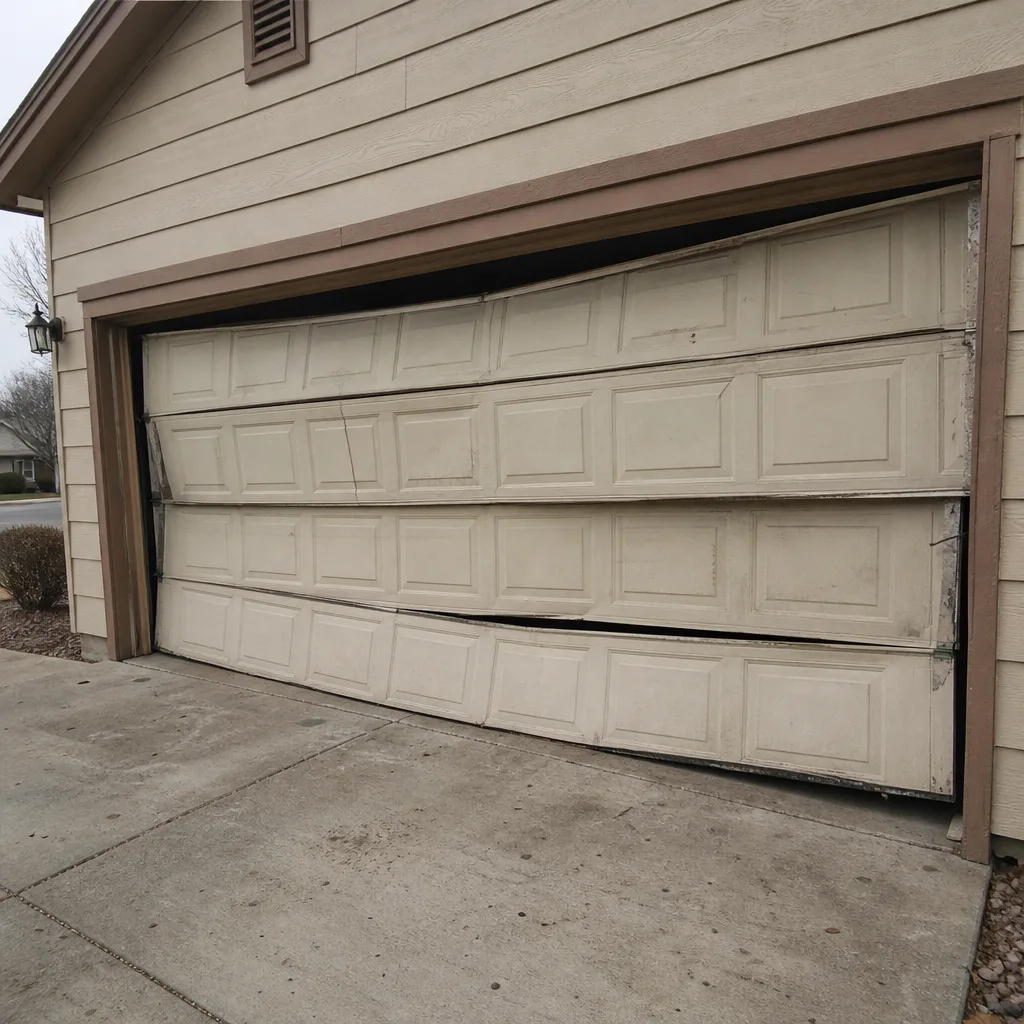 Before
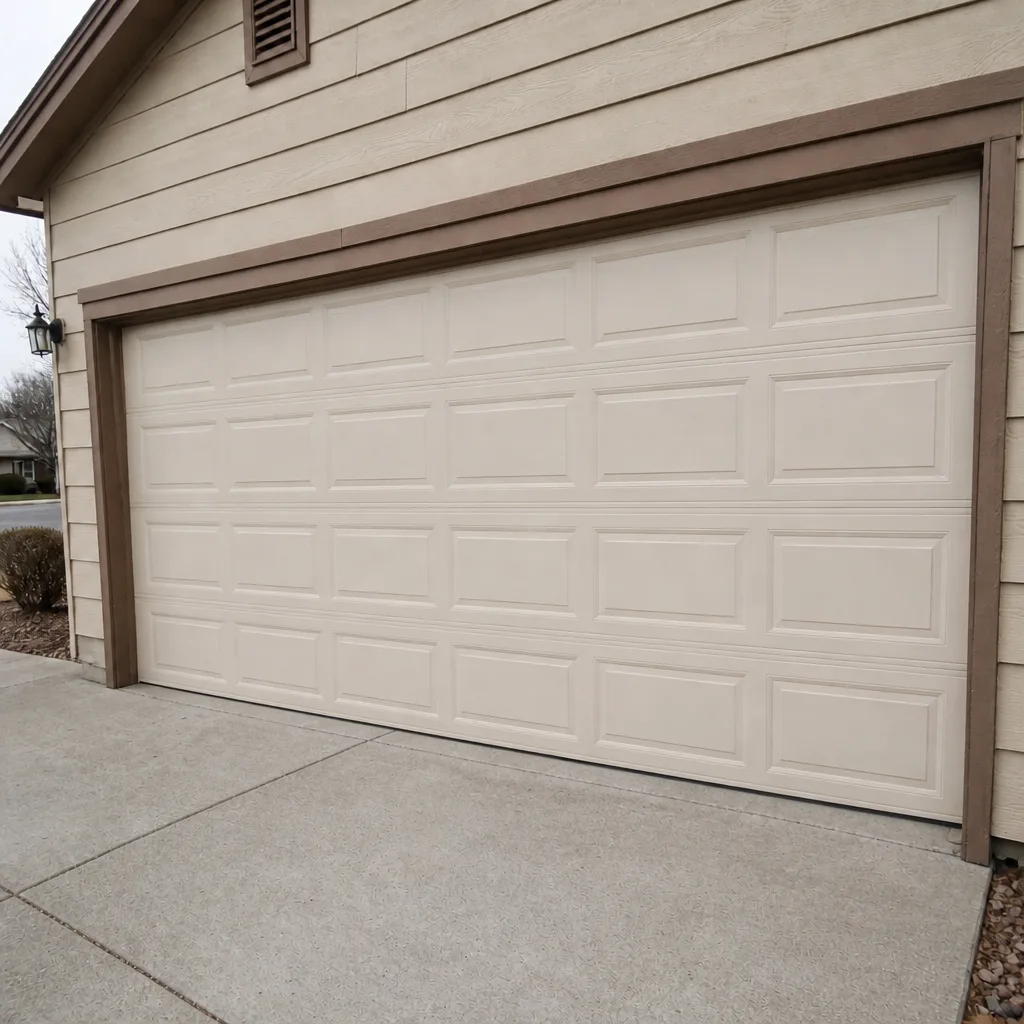 After
When to Call a Professional
Call a professional when you see a gap in a spring coil, a rust streak on a spring, or a frayed cable at the drum. Call when a door drops instead of staying put during the balance test, when one side sits crooked at rest, or when the door bangs hard at the top or bottom of travel. Call when a jerk or grind keeps coming back after you’ve lubricated the moving parts, and call any time the door won’t move at all and life depends on it. Springs and cables are the two parts we always say hands off to. Broomfield Garage Door Repair Co offers free estimates in Broomfield. Call (833) 632-3182.
Our technicians have up to 10 years of experience, and spring repair is a core part of what we do. If a warning has turned into an emergency and the door is blocking a car or leaving the house open, our garage door spring repair service is one call. From a broken part to a brand-new door, repair and installation both live under one company.
Frequently Asked Questions
A visible gap in the coil is the first reliable sign of a weakening torsion spring, usually followed by a rust streak along the wire. An unbalanced door that lifts one side faster than the other shows it too. If you see any of these, don’t run the door until a technician looks. Call (833) 632-3182 for a free estimate.
It depends on the noise. Squeaking is usually lubrication on hinges and rollers and can be caught early. Grinding is metal-on-metal wear and needs a look. Popping, banging, or rattling tend to point to a spring or hardware issue and shouldn’t be ignored. When in doubt, call us and we’ll help you figure out which category you’re in.
The written estimate you get before any work starts is the price. We put it in writing and agree it with you before we touch the door, so there’s no surprise on the bill. Call (833) 632-3182 for a free estimate and an exact quote.
Yes. We offer same-day service and emergency garage door repair for time-sensitive failures like a door blocking a vehicle or leaving the home unsecured. Call (833) 632-3182. We answer 24/7. Fast dispatch from 7am to 7pm, Sunday through Friday. A call outside dispatch hours is booked into the next opening.
The local pros we connect you with are licensed and insured as their state requires. Our technicians have up to 10 years of experience and work on garage doors exclusively, not a dozen home-service trades. Call (833) 632-3182 to schedule.
Often neither: a worn spring or roller is the real problem, and the opener is running harder because of it. Sometimes a new opener is the right call while the door itself is fine. Either way, one company handles both, so you get one honest diagnosis. Call (833) 632-3182 for a free estimate.
The Bottom Line
Garage door failures almost always announce themselves first. Grinding, squeaking, popping, rattling, banging: each sound maps to a specific cause, and each visual sign, from a spring gap to a frayed cable to a flat-spotted roller, tells you how close a part is to failing. Movement matters too. A slow, jerky, or crooked door is telling you the springs and the opener are out of balance. Sort your warnings into “schedule soon” and “stop today,” and do the 60-second walk-around monthly, especially before a Broomfield cold snap. Do the checks and the door will last longer and cost less to keep. Questions? Call (833) 632-3182.
For a free estimate on any warning sign you’ve spotted, call (833) 632-3182. We answer 24/7. Fast dispatch from 7am to 7pm, Sunday through Friday. We’re a garage door specialist in Broomfield, from a single broken spring to a new door.
Written by the team at Broomfield Garage Door Repair Co.