
Last updated November 22, 2026
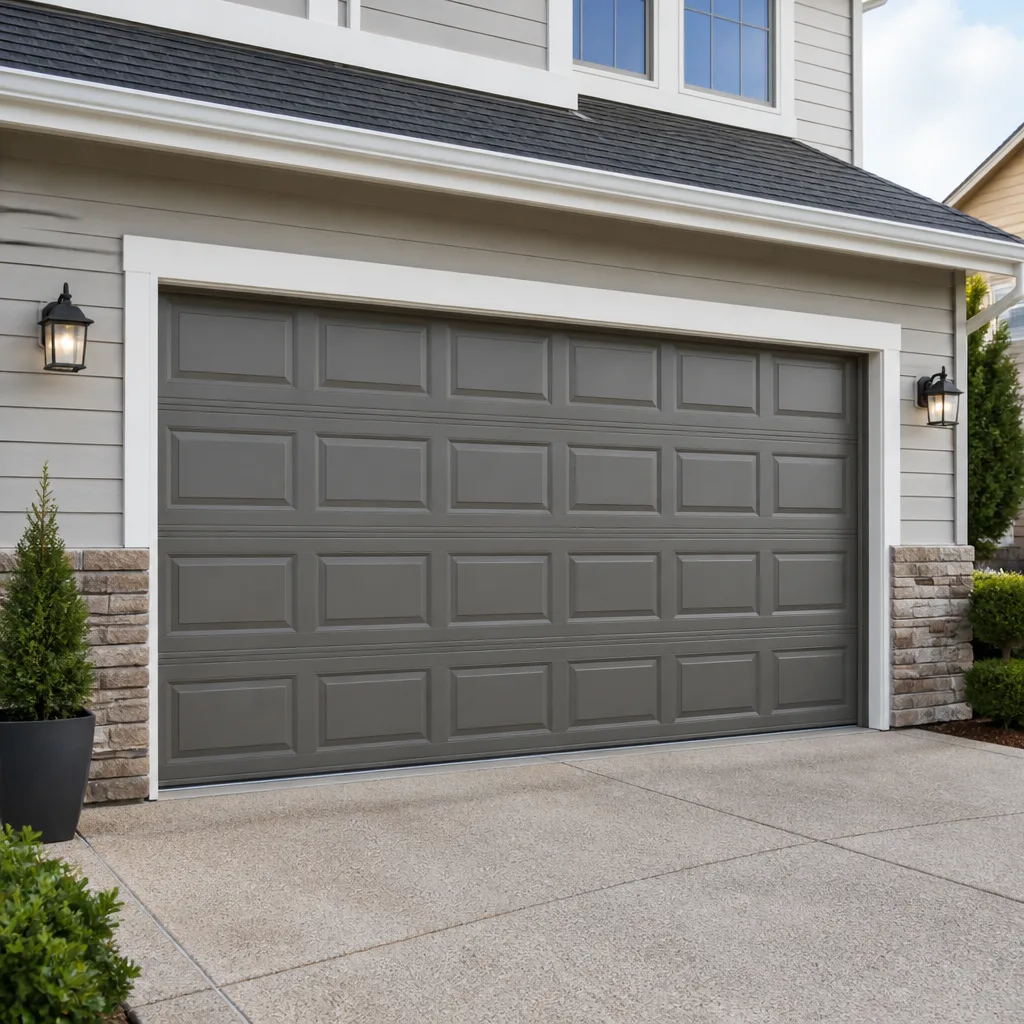 Raised-panel steel
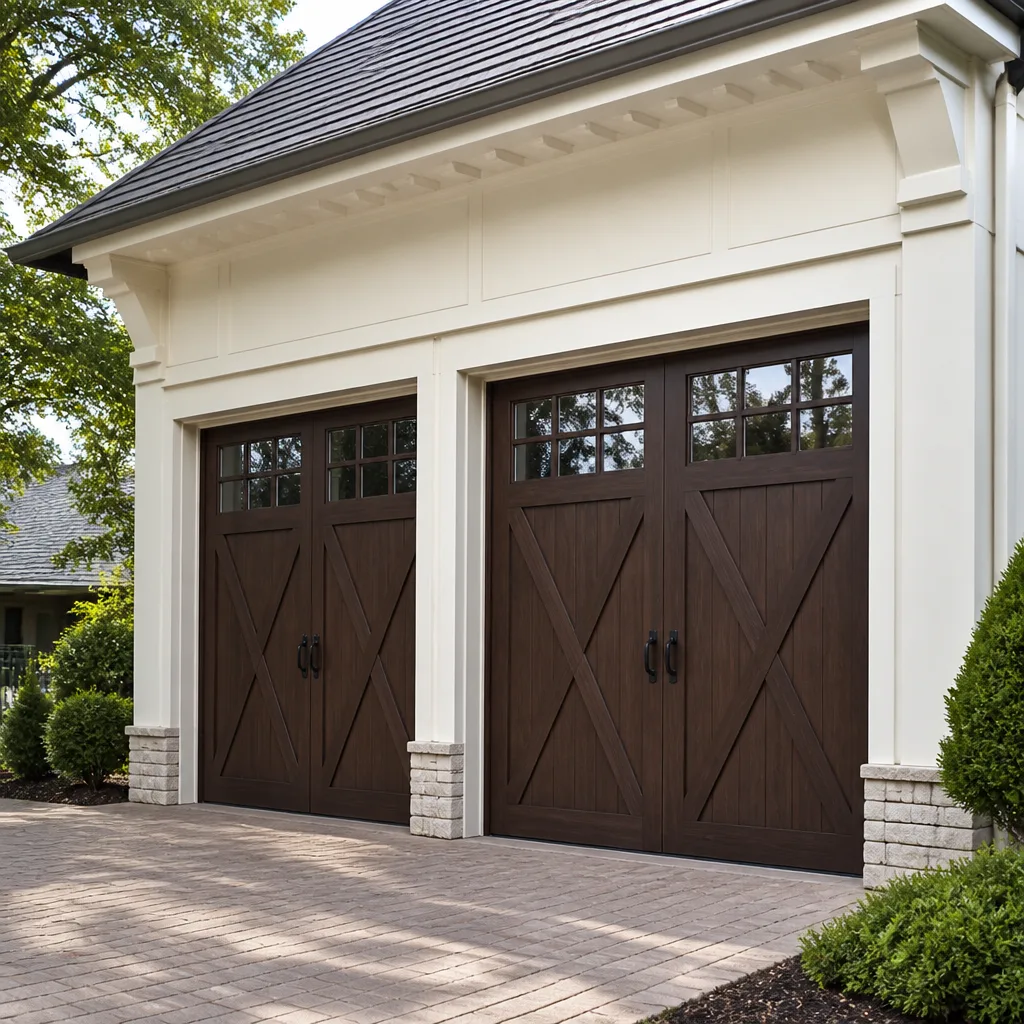 Carriage house
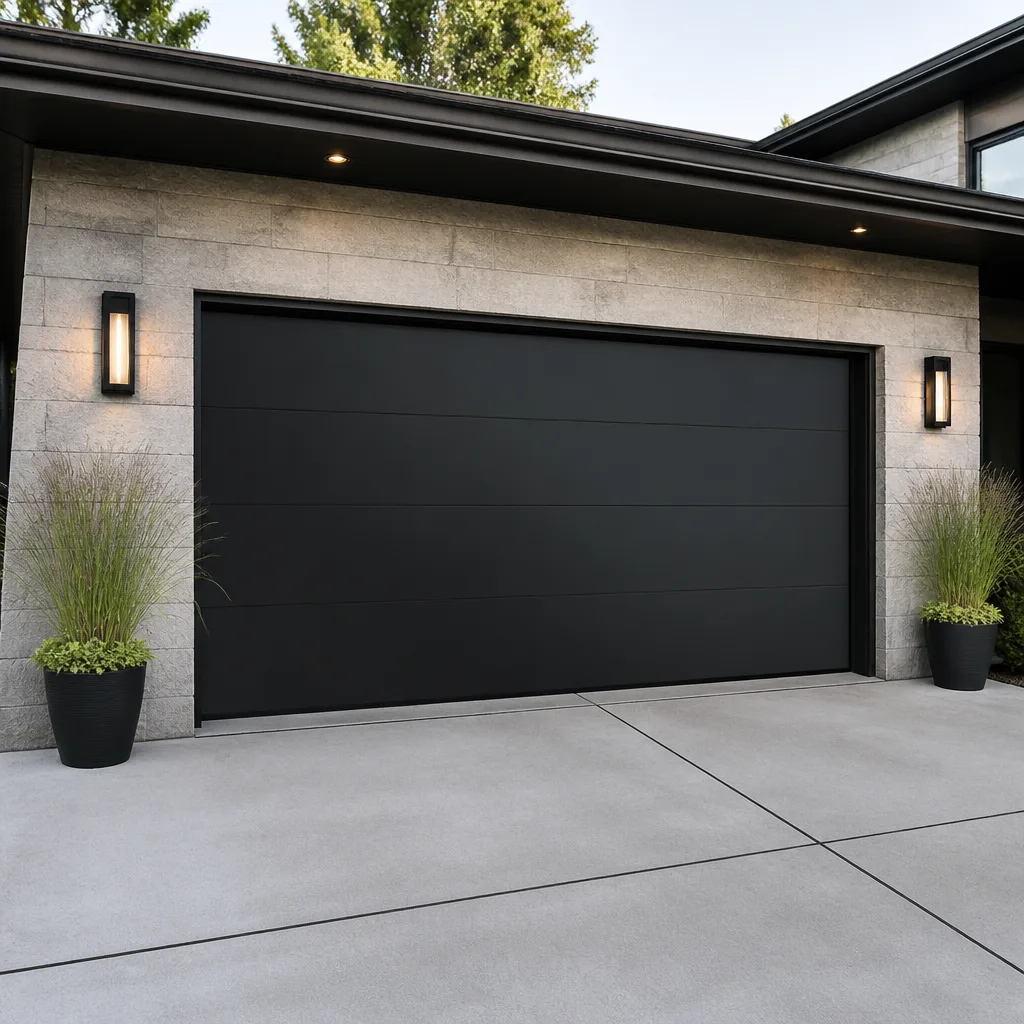 Modern flush
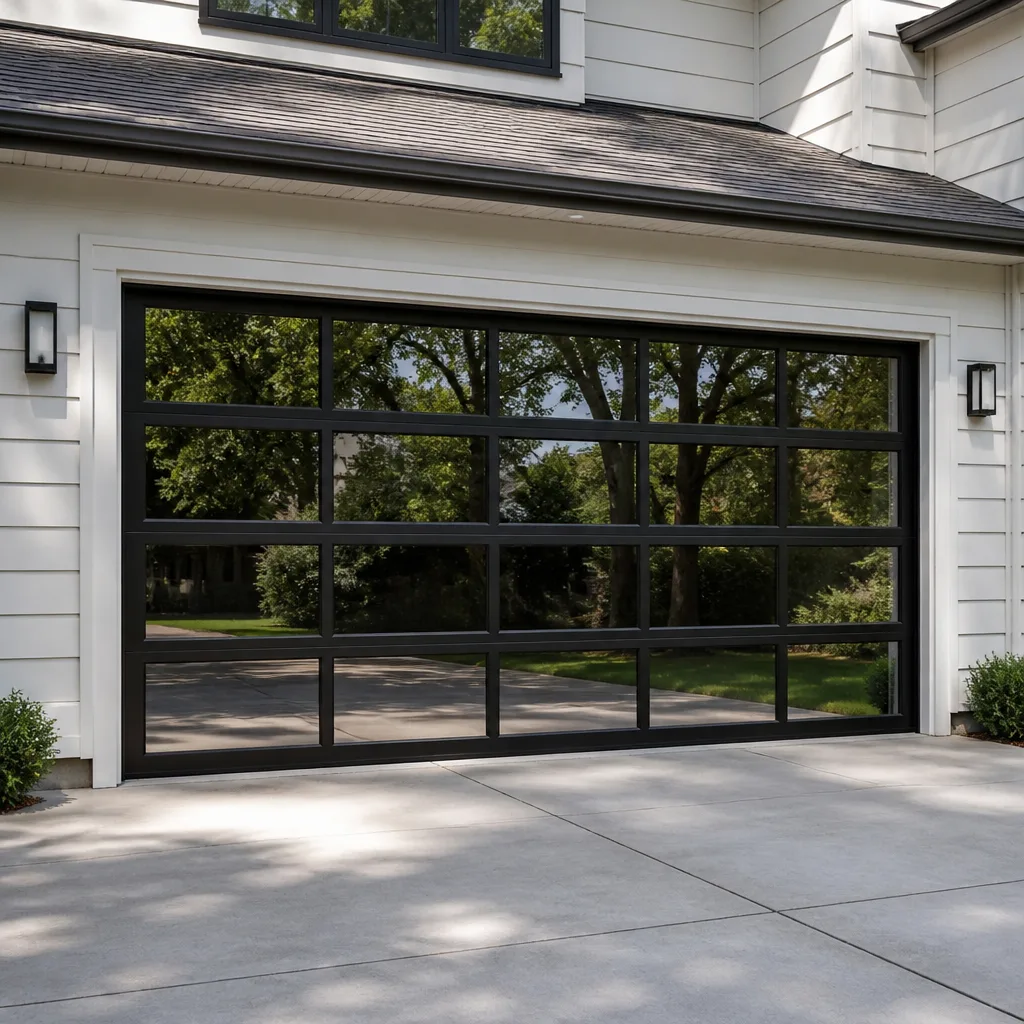 Full-view glass
 LiftMaster openers
 Chamberlain openers
Full 25-point door and opener safety check with every visit - springs, cables, rollers, tracks, and your LiftMaster or Chamberlain opener included
You get a price before we start. It does not change when the pro arrives.
Get your free estimateGarage Door Emergency Preparedness Guide for Broomfield Homes
Most homeowners never think about their garage door until it stops moving. Then the questions arrive all at once, in the worst possible moment. If your door fails at 7 a.m. and your car is inside, you don’t want to be reading a manual in the dark with the door frozen to its seal. A little prep changes that. Ten minutes spent now means you’ll know exactly where your emergency release is, how to use it correctly, and what to tell a technician so they arrive ready. This guide covers the Broomfield-specific situations that trip people up, from wet-snow freeze-ups to a spring that snaps while the door is up, and the small checklist that makes a bad morning manageable.
Quick Answer
Garage door emergency preparedness in Broomfield comes down to three things: knowing how to safely use your manual release, having your opener model and door details saved before you need them, and recognizing which failures (snapped springs, off-track doors) require a professional rather than a DIY fix. Test your release cord once a season, keep a working keypad code as a backup entry, and call for help the moment a spring breaks or a door comes off its track. The rest of this guide walks through each step in detail.
Styles & brands we work with
- Raised-panel steel
- Carriage house
- Modern flush
- Full-view glass
- LiftMaster openers
- Chamberlain openers
Table of Contents
- How to Find and Test Your Emergency Release Cord
- When Your Door Freezes to the Bottom Seal After Wet Snow
- How to Safely Disconnect an Opener When the Power Is Out
- What to Do If a Spring Snaps While the Door Is Up
- How to Manually Secure a Door That Won’t Close
- What Information to Have Ready Before You Call for Emergency Service
- The Five-Minute Emergency Prep Checklist
- Common Mistakes to Avoid
How to Find and Test Your Emergency Release Cord
Every automatic garage door has a manual release, and almost nobody tests it. That’s the first gap in most households. The release is usually a red cord or handle hanging from the trolley that rides along the opener rail. Pulling it disconnects the door from the opener motor so you can lift it by hand. Finding it takes seconds when the door is working. Finding it in the dark, with the door stuck, takes a lot longer.
A seasonal test is worth the effort. Here’s how to do it safely:
- Close the door fully and stand clear of the moving parts.
- Pull the release cord straight down with a firm, single motion, never at an angle.
- Lift the door by hand to about waist height, then let it settle. A properly balanced door should hold its position.
- Lower it gently, then re-engage the trolley by running the opener until it clicks back into place.
The specific way people pull the cord wrong is at an angle, especially when they’re reaching up and to the side. That can jam the trolley in a half-released position, which leaves the door neither connected nor fully manual, and it can also let the door drop faster than you expect. Pull straight down, and only when the door is fully closed and at rest. If your release is a short cord or you can’t reach it comfortably, that’s reason enough to have a professional adjust it before you need it. In Broomfield’s cold stretches, a release that’s stiff or frozen in place is common after a hard freeze, so check it before winter sets in rather than during the first cold snap. Our technicians have up to 10 years of experience with every major opener system, including LiftMaster and Chamberlain units where the release mechanism sits in slightly different spots along the rail.
When Your Door Freezes to the Bottom Seal After Wet Snow
Broomfield sits where wet spring snow and freeze-thaw cycles are a normal part of the season. That combination is hard on the bottom seal. Snow packs against the door, melts, and refreezes overnight, bonding the rubber to the concrete. Then you hit the opener button and the motor strains against a door that can’t move.
What to do when you suspect the door is frozen:
- Stop pressing the opener button. Repeatedly forcing it strains the motor and the drive gear.
- Look along the bottom edge for a visible band of ice or packed snow and clear it with a plastic scraper, not a metal one.
- Never pour hot water on the seal. It refreezes and can crack the rubber.
- If the door is iced but the opener has already tried to lift it a few times, check that the door is still on its track before doing anything else.
The bigger problem is what a frozen door does to the opener. When the motor fights a stuck door, the drive gear and the torsion system take the load. That’s one of the ways a spring ends up failing on a cold morning. If your door has frozen shut more than once in a season, the seal or the door’s alignment is worth a look. We handle garage door repair for exactly this kind of weather-related wear, and a quick check now can head off a mid-winter failure. A door that’s properly balanced and sealed resists freeze-up far better than one that’s been settling for years.
How to Safely Disconnect an Opener When the Power Is Out
A power outage during a Broomfield storm is a common reason people suddenly need their manual release. The good news is that disconnecting the opener doesn’t require any tools, just the release cord and a calm minute. The key point most people get wrong is when they pull it. Pull the release only after the door is fully closed. If you pull it while the door is partway up, the door can drop or the trolley can lock in an awkward spot.
Here’s the safe sequence when the power is out and you need to get a car out:
- Confirm the door is completely closed and the opener has stopped trying to run.
- Pull the release cord straight down to disconnect the door from the opener.
- Lift the door slowly by hand, using the handle or the bottom edge, and raise it fully.
- Prop or hold the door only long enough to move the car, then close it by hand before letting go.
- When power returns, re-engage the trolley by running the opener until it reconnects, then test the door with a normal cycle.
If your opener is a Craftsman or Raynor model, the trolley and release points are slightly different, so knowing your own unit matters. That’s why we suggest saving your opener model number before an outage, not during one. The other thing worth preparing is a backup entry. If your only route into the house is through the garage, a power failure plus a stuck door leaves you locked out. Make sure your keypad code still works, or keep a house key accessible another way. Our garage door opener repair service covers opener issues that leave a door unresponsive even when the power is fine.
What to Do If a Spring Snaps While the Door Is Up
This is the scenario people most want to avoid, and it’s also the one where the wrong reaction causes real danger. If a torsion spring snaps while the door is up, the door loses its counterbalance and becomes very heavy, and the cables can go slack. Do not stand under the door. Do not try to lower it by hand. Move away from the door and keep everyone, especially children, clear of the opening.
What to do instead:
- Leave the door where it is if it’s stable and the cables are still under tension. Don’t force it down.
- If the door has dropped or is hanging unevenly, keep people and vehicles away from it entirely.
- Do not attempt to untangle, cut, or adjust the spring or cables yourself. Torsion springs store enormous energy, and the springs and cables are the most dangerous parts of the whole system.
- Call for professional help and describe what you see. That helps the technician bring the right parts.
Springs are high-tension components, and the manufacturer and safety guides warn against DIY work here for good reason. This is one repair we always recommend leaving to a trained technician. We handle garage door spring repair as a core service, and our team is set up to work on spring and cable systems safely. The other thing to remember is that a single broken spring usually means a matched pair needs replacing together, because the springs have worn the same amount. A technician will check both and give you a written price before any work starts. If you’re in Broomfield and a spring has let go, the safest move is to keep clear, then call (833) 632-3182. We answer 24/7, with fast dispatch from 7am to 7pm.
How to Manually Secure a Door That Won’t Close
A door that won’t close is a security problem, because it leaves your home open. The instinct is to block it with whatever’s handy, but some of those fixes create more risk than they solve. The goal is to hold the door closed securely without putting weight or stress on the panels or tracks where it doesn’t belong.
Measures that actually help:
- If the door is on its track and just won’t run, close it fully by hand once, then leave it down and quiet.
- Lock a side or slide bolt if your door has one.
- Keep the door disconnected from the opener so it can’t be triggered remotely until it’s checked.
- Move valuables out of the garage until the door is repaired.
Measures that create a security or safety risk:
- Wedging furniture or bricks under a partially open door to prop it. That’s unstable and can come down.
- Tying the door down with rope or strap. That puts uneven load on the tracks and panels.
- Forcing the door closed over an obstruction to get it to shut. That bends panels and can push the door off its track.
If the door won’t close because it’s off track or the cables are slack, don’t force it. That’s a job for a professional. In the meantime, closing it by hand once and securing the perimeter is the safest temporary step. Broomfield homes often have the garage as the main everyday entry, so a door that won’t close is worth treating as a priority rather than waiting on a regular appointment. For the full range of fixes, including a door that’s come off its track, see our garage door repair service and we’ll get a technician scheduled.
What Information to Have Ready Before You Call for Emergency Service
The fastest way to shorten an emergency call is to have the right details on hand before you dial. A technician who knows your door type, opener brand, and what the door is doing can often bring the right parts the first time rather than making two trips. Here’s what to have ready.
- Opener brand and model. LiftMaster, Chamberlain, Genie, Craftsman, and Raynor all have different mechanisms and parts. The model number is usually on a label on the motor housing or inside the light cover.
- Door type and material. Steel, aluminum, wood, or a full-view design, plus roughly how wide and tall the door is.
- What the door is doing. Won’t move, moves a few inches and reverses, is crooked, is off track, won’t close, makes a loud noise. Describe it plainly.
- What you’ve already tried. Did you pull the manual release? Did you press the wall button and the remote? Did you check the power?
- Your address and how to access the garage. Especially useful if the door is off track or a car is trapped.
A photo of the opener label and the door itself helps too. We work on the brand you already have, so the more we know before we arrive, the better prepared the technician is. If your door is stuck and you can’t move a vehicle, call (833) 632-3182. We answer 24/7, and dispatch runs from 7am to 7pm, Sunday through Friday. Whether it’s a snapped spring, an opener that’s dead, or a door that’s come off its track, one call covers the full range of repairs and, if needed, a new door.
The Five-Minute Emergency Prep Checklist
This is the ten minutes of prep that makes a bad morning manageable. Run through it once now, and once a season after that.
- Test the manual release. Confirm the red cord pulls straight down, disconnects the door, and the door holds its position when lifted halfway.
- Know where the disconnect is. Make sure everyone in the household can find the release without thinking.
- Save your opener model number. Photograph the label on the motor housing and keep it in your phone.
- Confirm a working keypad code. Test your exterior keypad so you have a backup entry if the garage door won’t open.
- Clear the bottom seal. Before snow season, check that the seal isn’t torn or loose, since that’s where freeze-ups start.
That’s it. Five items, ten minutes, and you’ll handle a stuck door far better than most. If any step turns up a problem you can’t resolve, that’s a good moment to have a technician look at the door before it fails on its own schedule. If you’re not sure what you’re looking at, our team can walk you through your specific setup and give you a free estimate on any repair. Call (833) 632-3182 and we’ll help you get prepared.
Common Mistakes to Avoid
- Pulling the manual release at an angle or while the door is moving. That can jam the trolley in a half-released position and let the door drop unexpectedly. Pull straight down, and only when the door is fully closed and stopped.
- Forcing a frozen door open with the opener. Repeatedly hitting the button against ice strains the motor and drive gear. In Broomfield’s freeze-thaw season, clear the seal first, then try.
- Trying to fix a broken spring yourself. Torsion springs and cables are high-tension components, and the manufacturers and safety guides warn against DIY work on them. Leave spring and cable repairs to a trained technician.
- Propping an open door with furniture or bricks. That’s unstable and can come down. If a door won’t close, close it by hand once and secure it properly, or call for help.
- Not knowing your opener model when you call. Without the brand and model, a technician may not bring the right parts on the first trip. Save the label photo in advance.
- Relying on the garage as your only entry without a backup. If the door fails and the power’s out, a working keypad code is what gets you in. Test it before you need it.
- Ignoring a door that reverses or runs unevenly. A door that stops and reverses isn’t a quirk; it’s often the first sign of a failing spring or a bound track. Catch it early, before it fails entirely.
See the difference
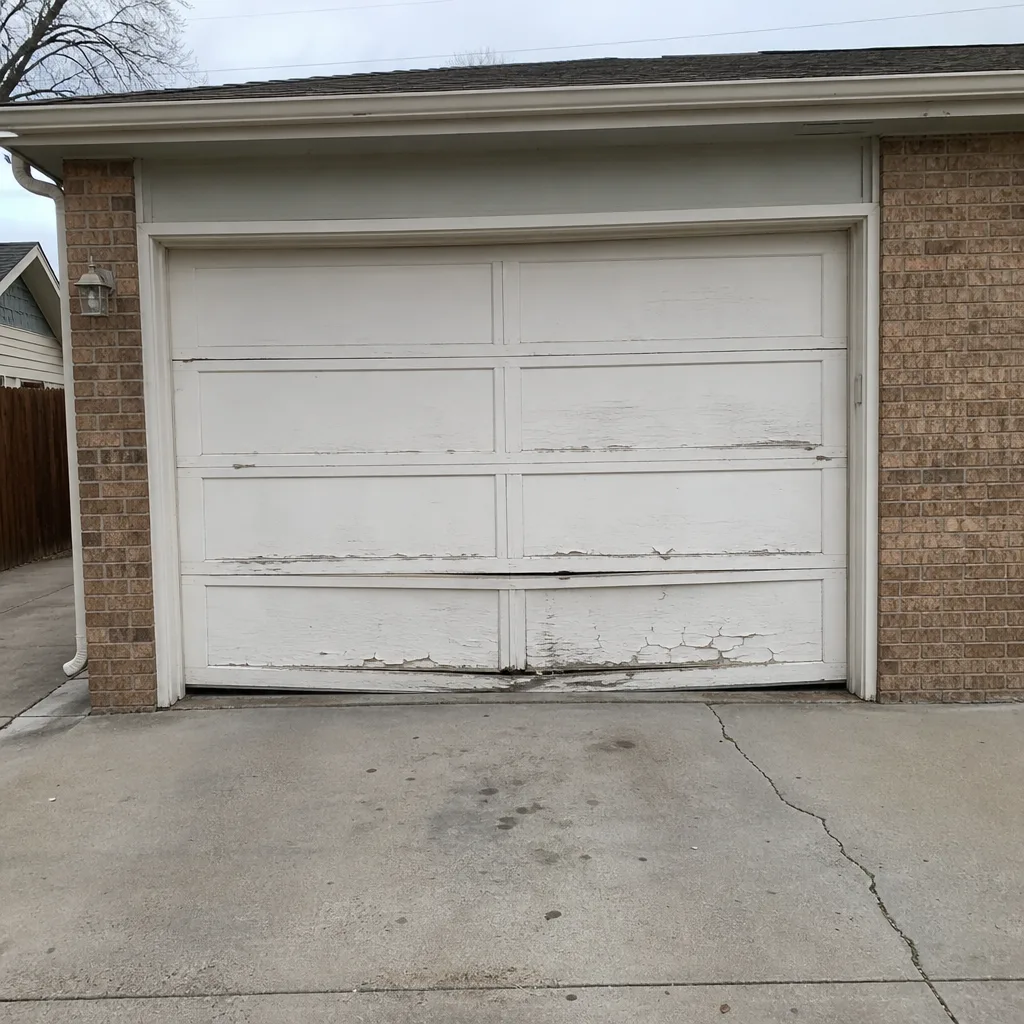 Before
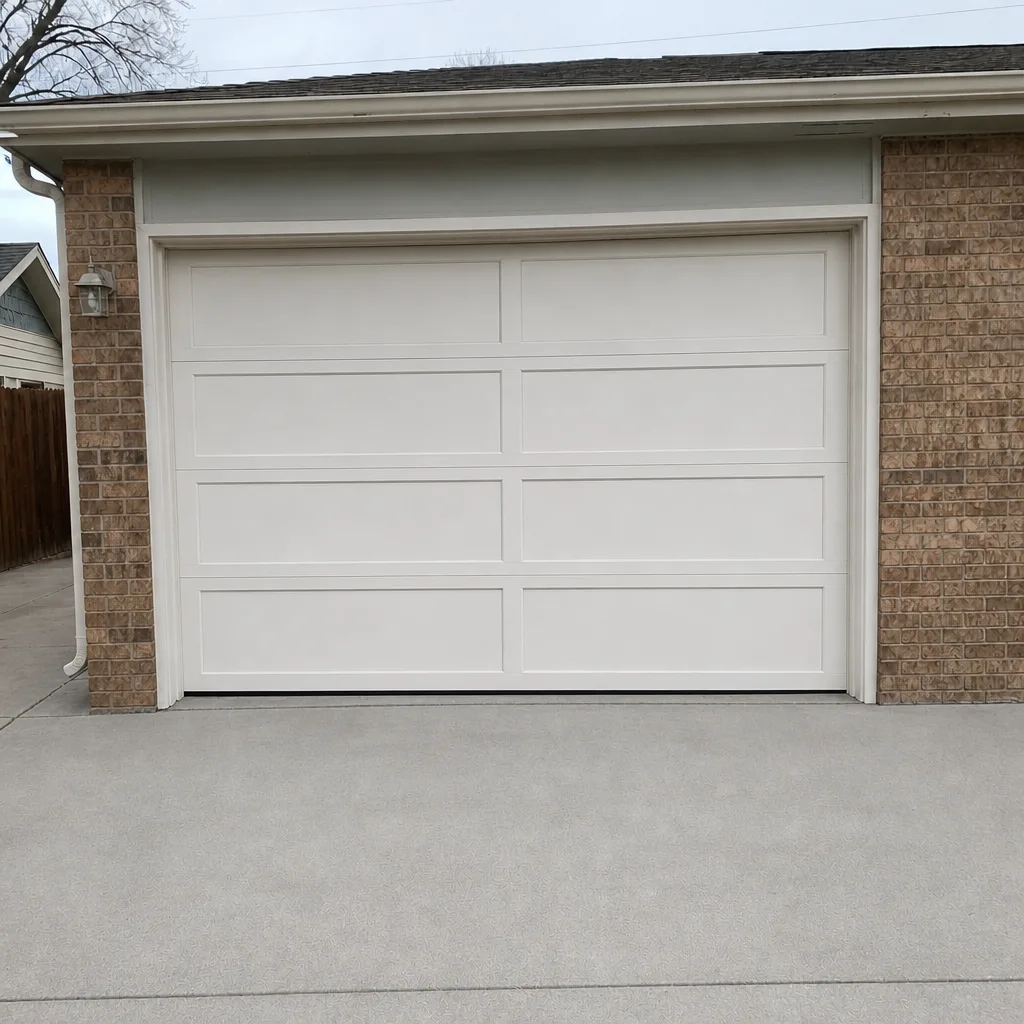 After
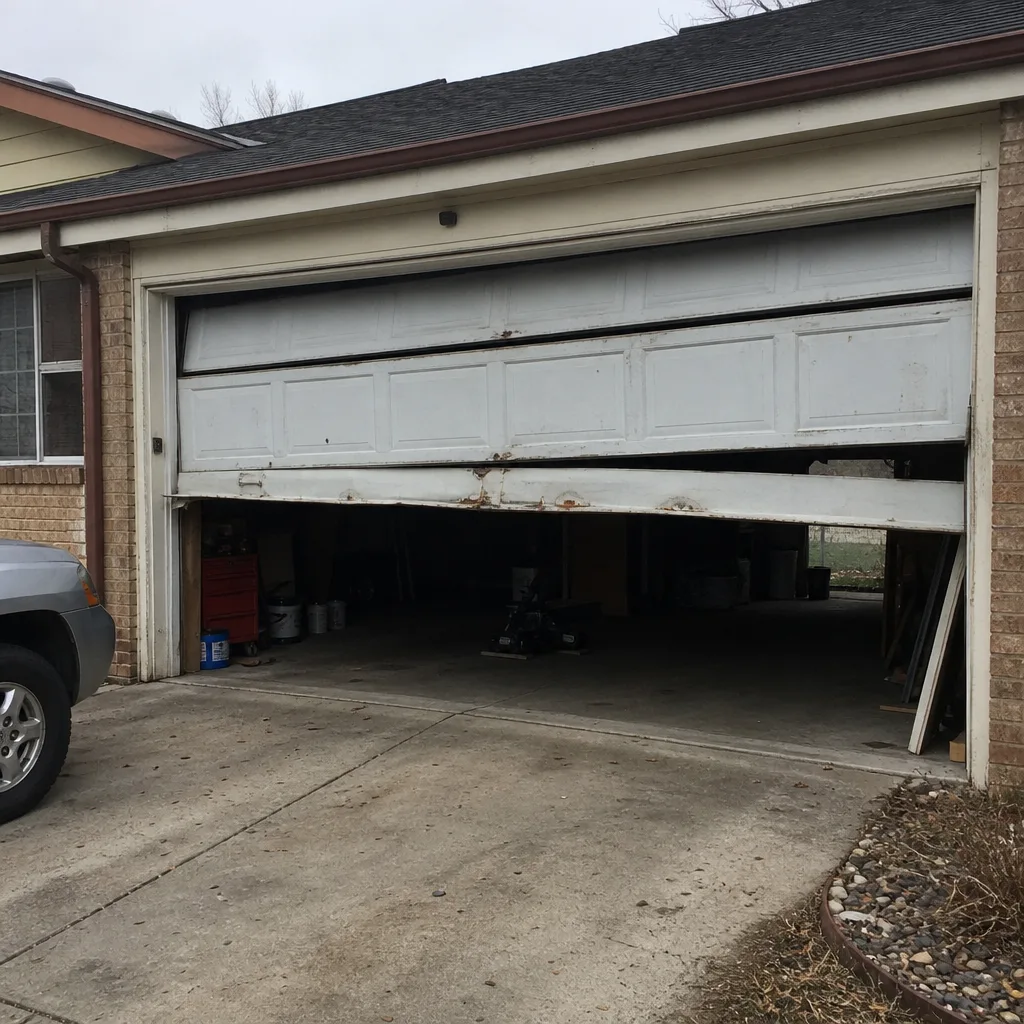 Before
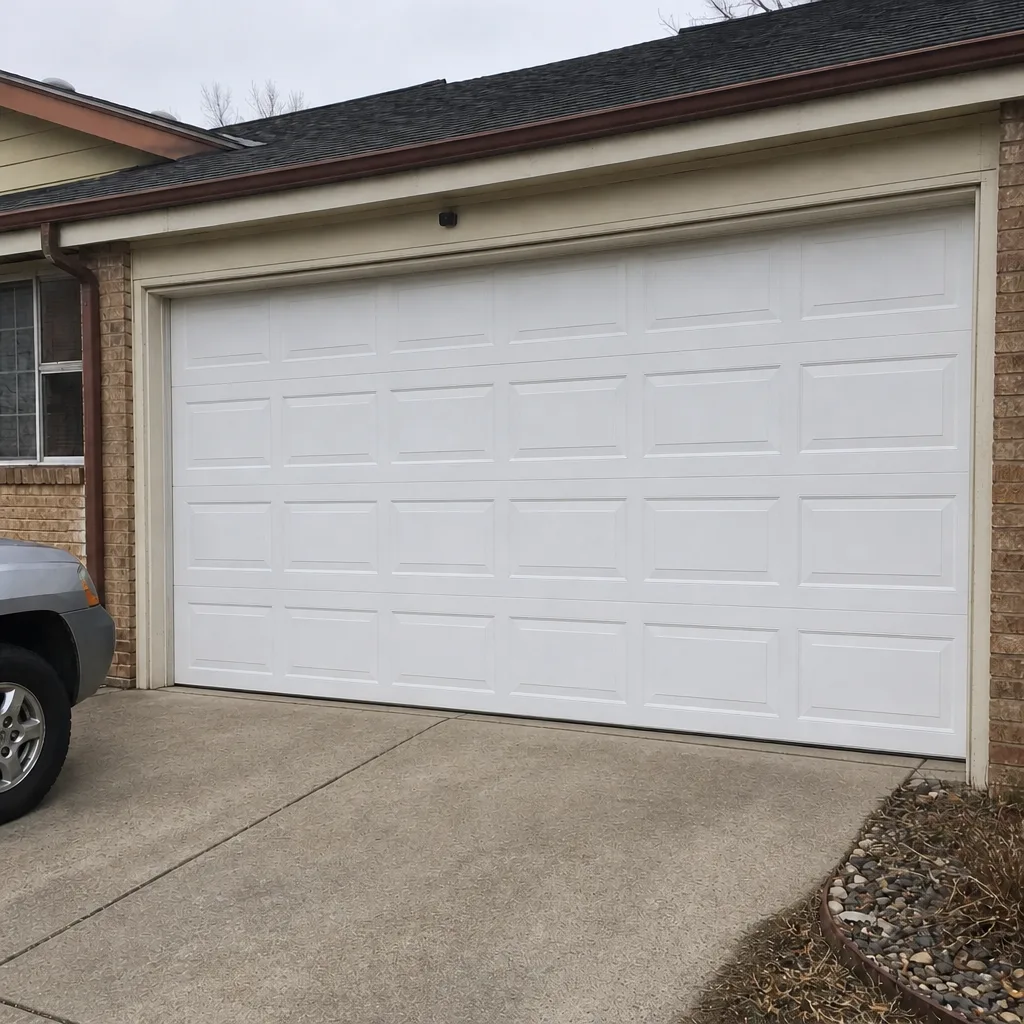 After
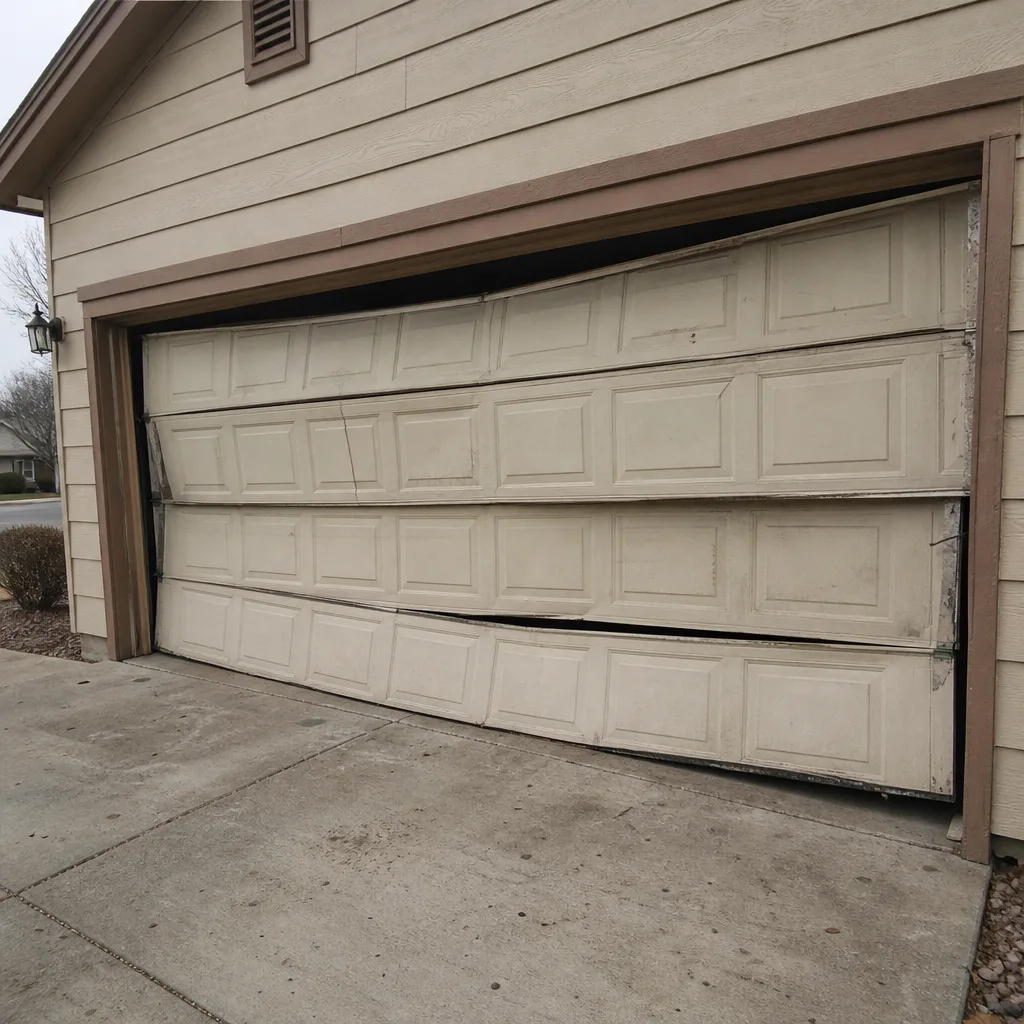 Before
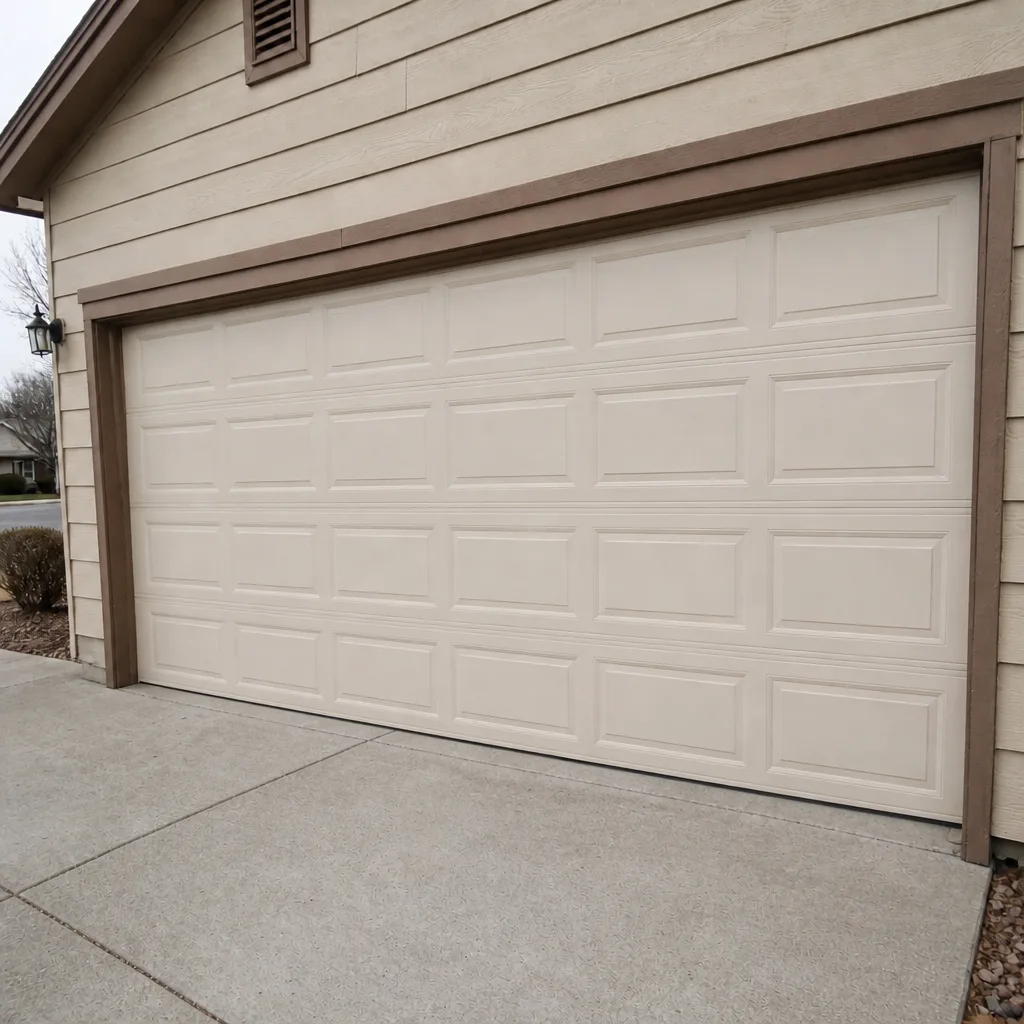 After
When to Call a Professional
Some garage door problems are worth a call the moment they happen. A snapped spring, a door that’s come off its track, slack or frayed cables, or a door hanging unevenly are all jobs that need a trained technician, not a weekend attempt. These are high-tension systems, and the risk of injury is real. Beyond safety, some failures leave your home open or trap a vehicle, which means they can’t wait. Our team is set up for exactly these situations: emergency repair when the door won’t move, spring and opener repairs, and full door installation when a repair doesn’t make sense. Broomfield Garage Door Repair Co offers free estimates in Broomfield and we work on the brand you already have, from LiftMaster and Chamberlain openers to Clopay, Amarr, Wayne Dalton, and Raynor doors. One call covers repair or replacement. For a free estimate, call (833) 632-3182. We answer 24/7, with fast dispatch from 7am to 7pm.
Frequently Asked Questions
Pull the red release cord straight down with the door fully closed and stopped. That disconnects the door from the opener so you can lift it by hand. Never pull it at an angle or while the door is moving, because that can jam the trolley and let the door drop. If your release is stiff or hard to reach, have a technician check it before you need it.
Move away from the door and keep everyone clear, especially children. Do not stand under the door or try to lower it by hand, and never attempt to adjust or cut the spring or cables yourself. Call a professional and describe what you see so the technician can bring the right parts. In Broomfield, call (833) 632-3182 for spring repair and we’ll get it handled safely.
Stop running the opener and clear the ice and packed snow along the bottom edge with a plastic scraper. Never pour hot water on the seal, because it refreezes and can crack. If the door has already strained against the ice, check that it’s still on its track before trying again. A door that freezes repeatedly needs its seal checked, which we handle as part of garage door repair.
If the door is on its track and just won’t run, close it fully by hand once and leave it down, then lock any side or slide bolt you have. Don’t tie the door down, wedge furniture under it, or force it shut over an obstruction; those measures can cause the door to come down or go off track. If it won’t close because it’s off track, call a technician.
Yes. We offer same-day and emergency service for doors that won’t move, block a vehicle, or leave your home open. Call (833) 632-3182, and we’ll schedule a technician. We answer 24/7, with fast dispatch from 7am to 7pm, Sunday through Friday.
Have your opener brand and model, your door type and rough size, and a plain description of what the door is doing and what you’ve already tried. A photo of the opener label and the door helps too. The more we know before the technician arrives, the better prepared they are to fix it on the first trip.
The Bottom Line
The best time to prepare for a garage door emergency is before it happens. Test your manual release once a season, know where the disconnect is, save your opener model number, and keep a working keypad code as a backup entry. In Broomfield, add a check of the bottom seal before the wet snow and freeze-thaw season sets in. And know the line between what you can safely handle and what needs a professional. A snapped spring, an off-track door, or a door hanging by its cables is a call-it-in situation. Our team at Broomfield Garage Door Repair Co works on garage doors only, and we’re ready when a door fails. Call (833) 632-3182 for a free estimate. We answer 24/7, with fast dispatch from 7am to 7pm, Sunday through Friday.
Written by the team at Broomfield Garage Door Repair Co.