
Last updated November 22, 2026
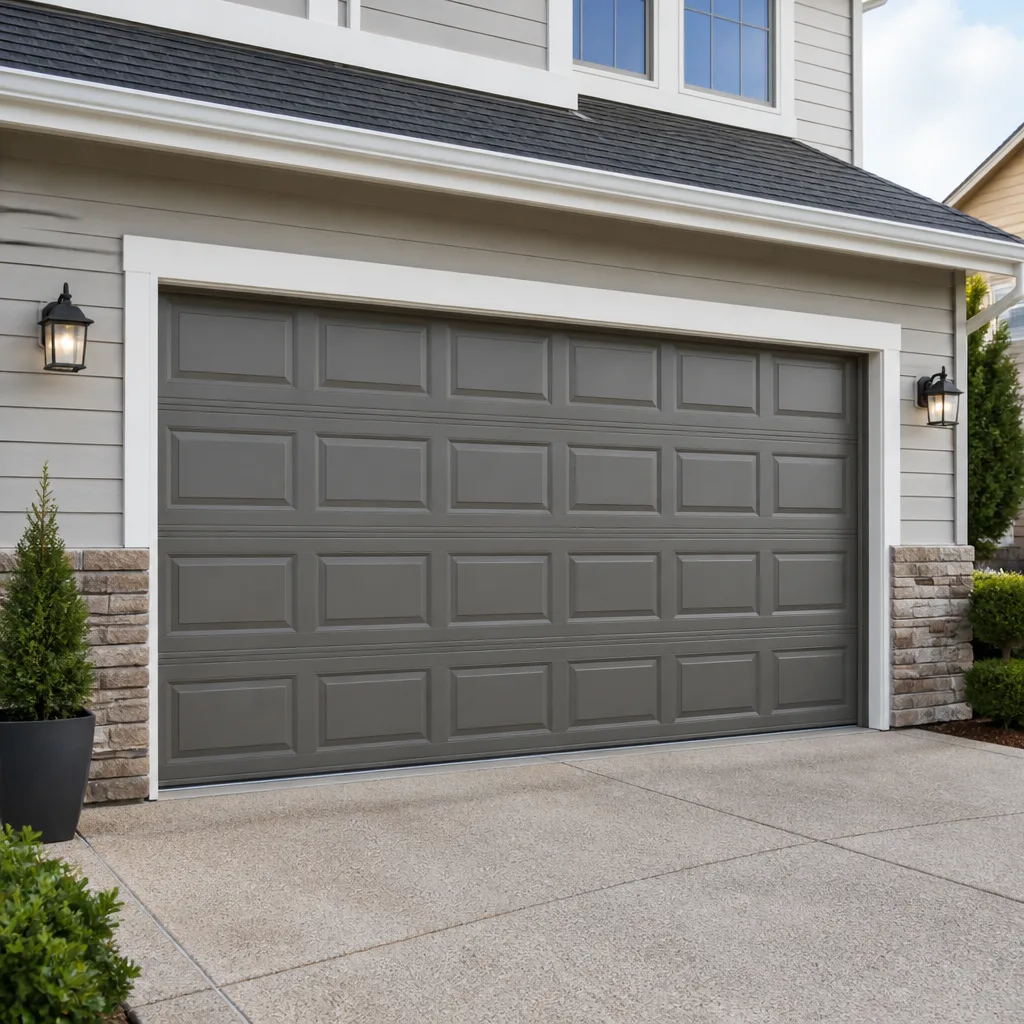 Raised-panel steel
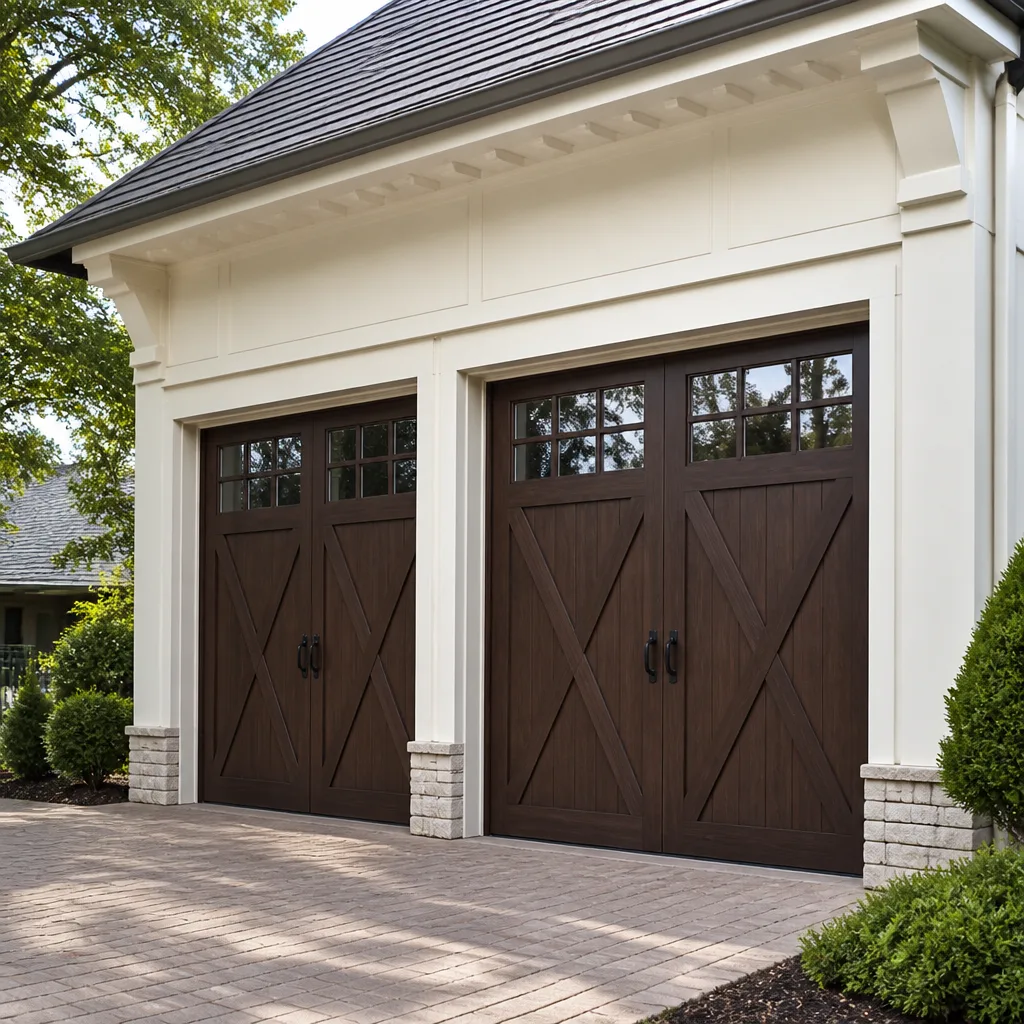 Carriage house
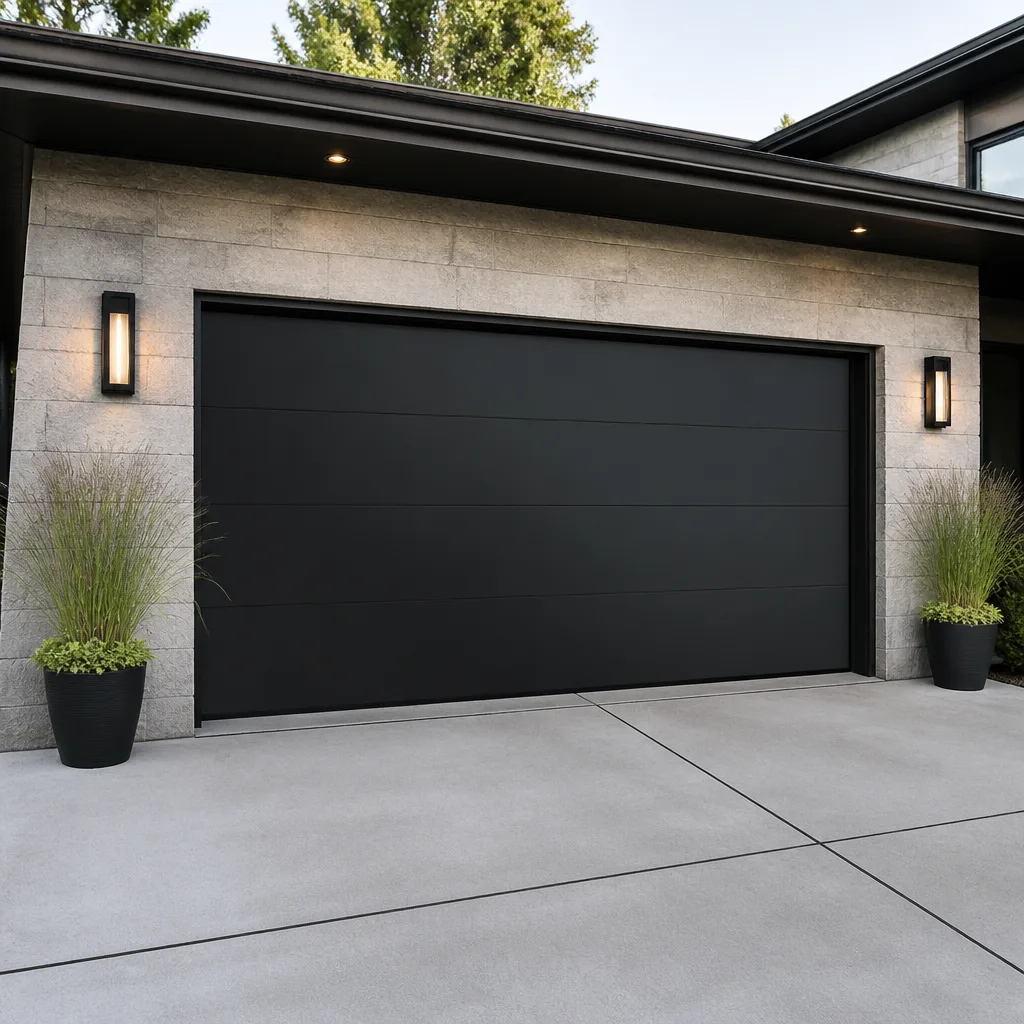 Modern flush
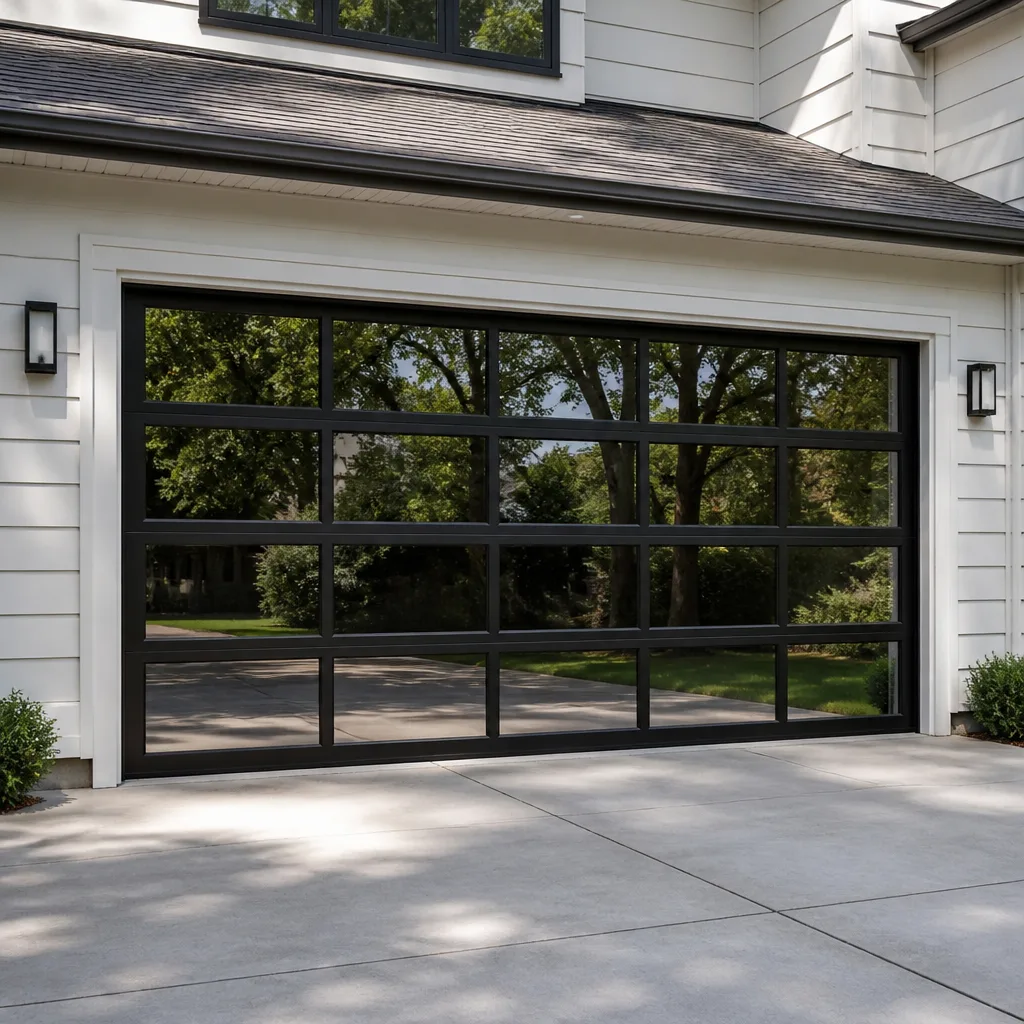 Full-view glass
 LiftMaster openers
 Chamberlain openers
Full 25-point door and opener safety check with every visit - springs, cables, rollers, tracks, and your LiftMaster or Chamberlain opener included
You get a price before we start. It does not change when the pro arrives.
Get your free estimateGarage Door Repair Maintenance Checklist for Broomfield Homeowners
Most garage door failures don’t announce themselves. They build slowly over months of daily cycles, and by the time the door stops moving, the warning signs were already there for anyone who knew what to look for. A spring that’s about to break usually looks slightly different, sounds slightly different, and behaves slightly different before it snaps. The problem is that nobody ever showed you the difference between a healthy door and one that’s a week away from trouble. This checklist changes that. It walks through what to inspect, what a pass looks like, what a fail looks like, and which tasks you can safely handle yourself versus which ones you should leave to a trained technician. Broomfield homeowners deal with specific seasonal stress cycles, and this guide is built around them.
Quick Answer
A working garage door maintenance routine for Broomfield should include monthly visual checks of springs, cables, rollers and weather seals, lubrication of hinges and rollers every four to six months, and a professional inspection of high-tension components once a year. Homeowners can safely handle lubrication, track cleaning, balance testing and visual inspection. Springs, cables and torsion hardware carry enough stored energy to cause serious injury and should only be serviced by a trained technician.
Styles & brands we work with
- Raised-panel steel
- Carriage house
- Modern flush
- Full-view glass
- LiftMaster openers
- Chamberlain openers
Table of Contents
- How often should you maintain a garage door in Broomfield?
- Spring inspection: what a worn spring actually looks like
- Cable and drum inspection: the six-inch rule
- Lubrication: what to use in Colorado temperatures and what to never lubricate
- Tracks, rollers and hinges: the monthly pass
- Balance and safety-reverse testing
- Weather seals and opener inspection
- Documenting your maintenance: why it matters for warranty and insurance
How often should you maintain a garage door in Broomfield?
A garage door in Broomfield needs a quick visual check once a month, lubrication every four to six months, and a professional inspection of the moving and tensioned parts once a year. Those intervals aren’t arbitrary. They’re set by the way Front Range seasons stress a door: hot dry summers that dry out lubricant, sudden freeze cycles in fall and spring that work hardware loose, and wide temperature swings between day and night that expand and contract metal repeatedly through a single week.
A door that opens and closes four times a day racks up roughly 1,400 cycles a year. Every one of those cycles flexes the springs, rolls the bearings, and works the hinges a fraction of a degree. Multiply that by the seasonal shifts here and you get a wear pattern that’s slower in summer, faster in late fall when the first hard freezes hit, and faster again in spring as the ground thaws and the soil around the foundation shifts. That’s why a maintenance schedule built for a mild coastal climate doesn’t fit a Broomfield home.
Here’s how to map the schedule to the local calendar:
- Monthly (year-round): Visual walk-around. Test the balance of the door by hand. Check the safety reverse. Five minutes.
- Before summer: Lubrication pass. Clean the tracks. Check the weather seal for cracking. Denver-area sun is hard on rubber.
- Before the first freeze: Full hardware check. Look for loose hinge bolts, worn rollers, and any new noise. Contract metal parts are more likely to fail when they’re cold.
- Once a year: Professional inspection of springs, cables, and the opener drive system. This is the one visit that catches the things a homeowner can’t safely check.
If that sounds like a lot, the monthly check takes less time than walking the dog. The point is that small problems caught early stay small problems. Skip the monthly pass for two years and you’re not saving time, you’re gambling on which part gives out first.
Spring inspection: what a worn spring actually looks like
Every spring on a garage door is under tension even when the door is fully open. That stored energy is what makes the door feel light, and it’s also what makes spring work one of the most dangerous home repairs you can attempt. The good news is that inspection doesn’t require touching anything. Spring wear is visible from a safe distance if you know what to look for.
Most residential doors in Broomfield use one of two spring systems: torsion springs mounted on a steel shaft above the door, or extension springs running along the horizontal tracks on either side. Both fail in characteristic ways, and both fail more often in cold weather because the metal gets less ductile as temperatures drop. A spring that’s showing wear in October is the one that lets go in January.
Here’s what to look for without touching the spring:
- A visible gap. A torsion spring that has already broken will show a clean separation somewhere along its coils. That’s not a wear sign, that’s a failure. Stop using the door and call a technician.
- Rust streaks or pitting. Orange or brown patches on the coil surface mean moisture has been sitting on the steel. Rusted springs bind, and binding springs break. This is one of the most common findings in Broomfield homes where a spring is on the shaded side of the house or near a sprinkler head.
- Stretched-out extension springs. Extension springs should sit inside the track looking even and tight. If one has visibly elongated or hangs lower than the other, it’s losing tension and it’s on the way out.
- A widening gap between coils. On a torsion spring at rest, coils should sit close together. A visible spread between coils at either end signals strain.
- Uneven door weight. If the door feels heavy when you lift it or drops fast when you lower it, the springs have lost some of their lift. That change shifts strain onto the opener, which is the next part to fail.
Safety guides from manufacturers consistently warn against homeowner spring work, and for good reason. A torsion spring holds enough energy to break bones and send hardware across a garage at speed. Inspecting visually is safe. Winding, adjusting, or replacing one is not. When a spring is showing any of the signs above, garage door spring repair should go to a trained technician, not a Saturday project.
In our experience working on Broomfield doors, spring failure almost never happens without warning. The wear was visible for weeks. The homeowner just didn’t know what the rust streak meant.
Cable and drum inspection: the six-inch rule
A lifting cable runs from the bottom corner bracket up to a drum at the top of the track, and it carries the full weight of the door. Cables are made of braided steel strands, and they fail one strand at a time. The good news is that cable inspection is entirely visual, and there’s a specific rule of thumb that turns a vague “check the cables” into something precise.
The six-inch rule: inspect the cable six inches in either direction from the drum at the top and from the loop at the bottom. That’s where nearly all cable wear concentrates. Pop a small step stool under each side (never stand on the door), look at the cable, and check for:
- Fraying or broken strands. A healthy cable looks like a single continuous piece of steel. Any tiny hairs sticking out, any place where individual strands have separated, is a fail. One broken strand means the cable is compromised and the others are carrying the load.
- Kinks or a “birdcage” bulge. A cable that has wound unevenly on the drum can develop a spiral bulge. That’s a sign the door has jumped track or the drum has been misaligned.
- Cables that aren’t sitting evenly in the drum grooves. The cable should sit flat in its groove. A cable riding up on top of another coil is under uneven tension.
- A drum that’s loose or wobbling. The drum should feel solid. Any play means the set screws have backed out and the whole assembly needs attention.
Cables fail under extreme tension. Never reach into the drum area with the door down or under pressure. If you see fraying, stop using the door and call for professional garage door repair. A snapping cable can swing freely and cause serious injury, which is why this is one of the checks that stays in the “look, don’t touch” category.
Lubrication: what to use in Colorado temperatures and what to never lubricate
Lubrication is the single chore most homeowners skip, and it’s the one that most directly reduces wear. But the wrong product can make things worse, and the wrong part can attract grit that grinds away at the hardware you’re trying to protect. There’s also a Colorado-specific complication: products that work fine in a mild climate can get sticky or too thick when the temperature swings from a hot afternoon to a sub-freezing night.
What to use:
- White lithium grease or a dedicated garage door lubricant on hinges, rollers, and the spring coil surface. These hold up through the temperature range a Broomfield garage sees and resist washing out with moisture.
- A silicone-based spray on weather seals and on the opener chain or belt. Silicone stays pliable in cold weather where a petroleum product might gum up.
- A small amount is the point. A little in the right places beats a heavy coat everywhere. Overspray collects dust and turns into grinding paste.
What to never lubricate:
- Tracks. This is the most common lubrication mistake. Tracks are supposed to stay dry so the rollers can roll cleanly inside them. Grease in a track attracts dust and grit, the rollers start sliding instead of rolling, and the door gets noisy and harder to move. Clean tracks with a damp cloth, then leave them alone.
- Roller stems. The stem is the steel pin the roller turns on. Grease there attracts grit into the bearing. Light oil is fine; heavy grease is not.
- Any part of the opener drive rail that’s meant to run dry. Follow the manufacturer instructions for your opener, whether it’s a Genie, LiftMaster, Chamberlain or another major brand.
A simple lubrication routine:
- Open the door fully so it’s out of the way and under minimal tension.
- Wipe down the spring coil surface with a dry cloth to remove grit.
- Apply a light coat of white lithium grease to the coil.
- Lubricate each hinge pivot point with a small dab.
- Lubricate each roller bearing (not the track) with a light spray.
- Spray the weather seal edges with silicone.
- Cycle the door up and down two or three times to spread the lubricant.
Time it for late spring and again in early fall. That schedule matches the two seasonal transitions when lubrication does the most good in this climate.
Tracks, rollers and hinges: the monthly pass
This is the five-minute walk-around that pays for itself many times over. You’re checking for changes since the last time you looked, so a monthly habit beats an annual scramble.
Tracks. Run your eye along both vertical and horizontal tracks. They should be straight and free of dents. A track that’s been bumped out of alignment by a car, a bike, or a ladder will push the door off its path. Clean the inside surface of the track with a dry rag. Any debris, loose grit, or old grease build-up should come off. Do not spray lubricant inside the track.
Rollers. Rollers live inside the track and are visible at the hinges. A healthy steel roller is quiet and rolls smoothly. A worn roller has a flat spot, wobbles on its stem, or has a plastic wheel that’s cracked or chipped. Nylon rollers degrade faster in cold weather, and steel rollers wear out from grit. Replace any roller that looks scored, cracked, or has visible flat spots. This is a homeowner-safe repair if you’re comfortable with basic tools, but we’d suggest leaving it to a technician if the door is heavy or hard to move.
Hinges. Hinges are the metal plates that connect the door panels along the sides. Check each one for loose screws. Tighten any screw that turns easily. If a screw hole is stripped, don’t fill it with a bigger screw; that’s a temporary fix that makes the hinge weaker. A stripped screw hole means the hinge is ready for a proper repair.
Panels. Step back and look at the door from a few feet away. Panels should be straight and evenly aligned. A panel that looks warped, dented, or out of line with its neighbors is a sign of a track or balance problem. A Clopay, Amarr or Wayne Dalton door with a bent panel can sometimes be repaired without replacing the whole door, but it needs a professional look.
The bottom seal. The rubber strip at the bottom of the door should touch the floor along its full width. If you can see daylight underneath, or the rubber is cracked, torn, or has come loose, it needs replacing. A bad bottom seal lets in cold air, moisture and pests.
Balance and safety-reverse testing
Two tests tell you more about the overall health of the door than anything else you can do by hand. Both should be part of the monthly routine.
The balance test. Close the door, then pull the manual release cord to disconnect the opener (the door should still be on its tracks). Lift the door to about halfway open. Let go. A properly balanced door should stay where you let it go, or drift very slowly down. A door that drops quickly, or feels heavy enough that you have to strain to lift it, has a spring or balance problem. Reconnect the opener when you’re done.
The safety-reverse test. With the door open about two feet above the ground, press the close button and time it. The door should reverse immediately when it meets resistance. You can check this by placing a small object (a 2×4 placed flat on the ground works well) under the door as it closes. It should reverse immediately and travel back up. Do not test this with your hand or foot, and don’t test it on the bottom seal alone. If the door closes on the object and keeps going, the safety reverse is failing and needs adjustment or repair right away.
Both tests are safe for homeowners because they don’t involve touching any high-tension parts. If either test fails, stop using the door and call for garage door opener repair. The opener’s safety reverse is a built-in life-safety feature, and it needs to work every time the door closes.
This is also the area where a professionally serviced door pays off. A technician can check the opener’s force settings, the travel limits, and the photoelectric eye alignment, none of which a homeowner can safely adjust without the manufacturer’s specs in hand.
Weather seals and opener inspection
Broomfield’s weather is full of wind, dust, snow, and temperature swings, and the weather seals are what stand between that weather and your garage interior. They’re also the cheapest maintenance item on the door and the one homeowners notice last.
The bottom seal is the rubber strip along the floor. Check it for cracks, tears, and gaps. A worn bottom seal lets in cold air, moisture, and small pests. Replacing it is inexpensive and easy to do yourself.
The side and top seals are the brush or rubber strips along the door jambs and top. These take a beating from windblown dust in spring. If they’ve worn thin or torn, they’ll let in dust and drafts and stress the opener by letting cold air between the door and the frame.
The garage door opener is the most complex part of the system and the one most likely to fail silently. Check these items:
- The drive belt or chain. It should be taut, not loose or sagging. A loose belt slips and makes the door sound like it’s grinding.
- The opener light. It should come on when the door is operated. If it’s out, the bulb needs replacing, but a dim or flickering light can also signal a power issue.
- The photoelectric safety sensors. The two small eyes near the bottom of the track should be aligned and their lenses clean. Wipe them monthly. A misaligned or dirty sensor is the most common reason a door won’t close.
- The manual release. The cord should be present and easy to reach.
- Unusual sounds. A healthy opener sounds like a quiet hum. Grinding, rattling, clicking, or a door that seems to hesitate before moving means something needs attention.
Whichever opener you own, whether it’s Genie, LiftMaster, Chamberlain, Craftsman, or another brand, the principle is the same: watch for changes in sound, speed and behavior. Those changes are the earliest warning system you have.
Documenting your maintenance: why it matters for warranty and insurance
A maintenance log takes five minutes to set up and can save you real trouble later. It’s the difference between proving that a failure was a sudden defect and trying to explain that you “thought you’d been keeping up with it.”
Here’s what to write down:
- Date and what was done. “March 1: lubricated spring and hinges, cleaned tracks, tested balance and reverse.”
- Any issues observed. “Noticed rust streaks on left spring. Watch next time.”
- Professional work done, with the estimate or invoice. Keep a copy of any written estimate and invoice. If a spring or opener is under warranty, the manufacturer may ask for proof of professional service.
- Any repair or replacement, with the date. A photo of the hardware before and after is a useful addition.
Keep the log in a folder in the garage or as a note on your phone. Either works. The point is that it’s consistent and dated.
Why it matters: If a fault ever involves an insurance claim (say, a door panel damaged in a windstorm, or a motor failure that a homeowner wants to file for), the documentation shows whether the door was being maintained. If a warranty claim ever comes up on a Clopay, Amarr, Wayne Dalton or other branded component, the maintenance log is the first thing the manufacturer’s rep will ask to see. A dated record of regular service answers more questions than a verbal explanation ever will.
We keep our own service records the same way, and we hand a copy to the homeowner at the end of each visit. It’s a simple habit that pays off whenever a question about the door’s history comes up.
Common Mistakes to Avoid
- Greasing the tracks. This is the single most common maintenance mistake we see. Tracks should stay dry and clean. Grease attracts dust and grit, the rollers start sliding instead of rolling, and the door gets harder to operate. Clean the tracks; leave the grease off.
- Trying to adjust or replace a spring yourself. Springs are under extreme tension and can cause serious injury. Visual inspection from a safe distance is fine. Winding, adjusting, or replacing one is not a homeowner project under any circumstance.
- Ignoring a streak of rust on a spring. Rust means moisture is on the steel, and a rusted spring is a weakened spring. A rust streak is one of the earliest, most reliable warning signs of eventual failure.
- Waiting for the door to stop working before calling someone. A door that grinds, hesitates, or feels heavy is telling you something. Catching the problem early avoids damage to the opener and the panels.
- Using the wrong lubricant. A heavy petroleum grease can get thick in the cold and gum up a roller or spring. Use white lithium or a garage-door-specific product, and use it sparingly.
- Skipping the safety reverse test because “it worked last time.” A safety reverse failure is a life-safety issue. Test it monthly.
- Not keeping any records. A maintenance log seems like extra work until you need it for a warranty claim or an insurance question. Dated notes are worth more than memory.
See the difference
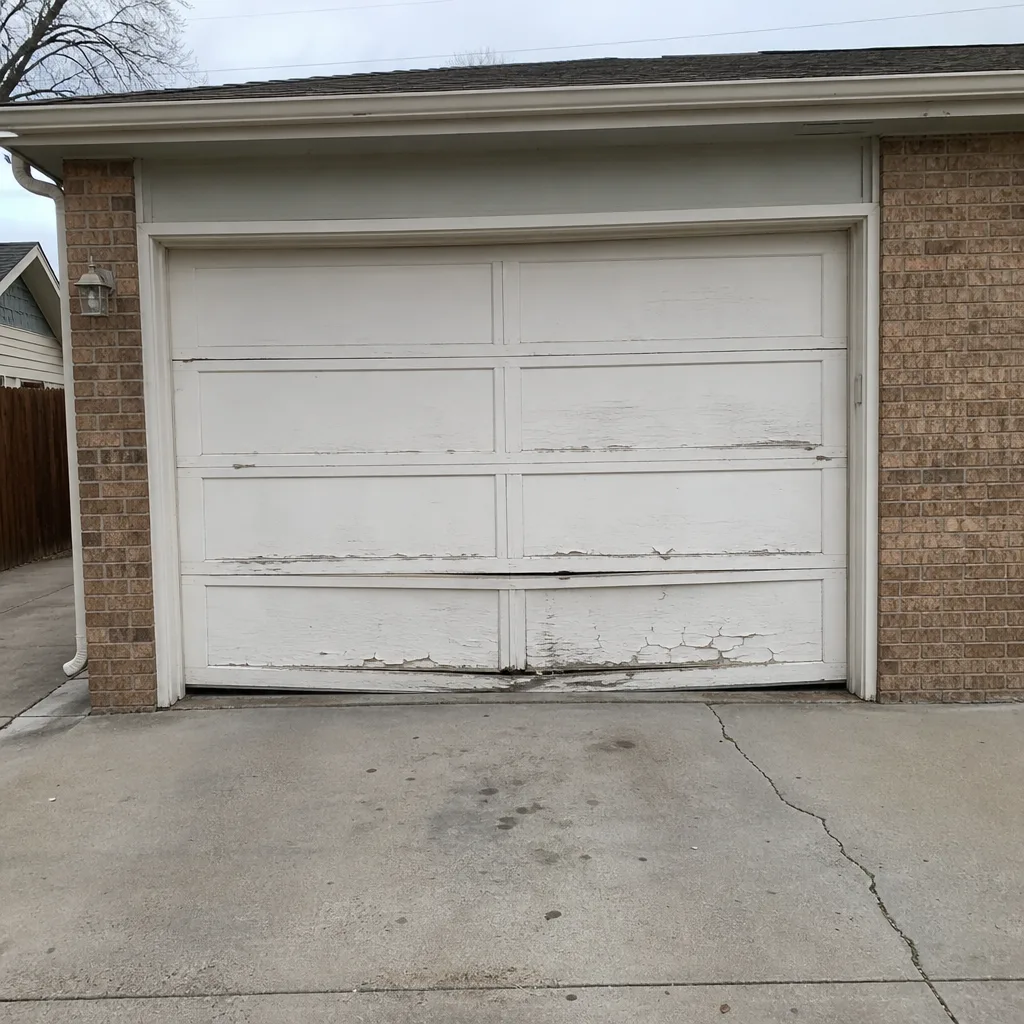 Before
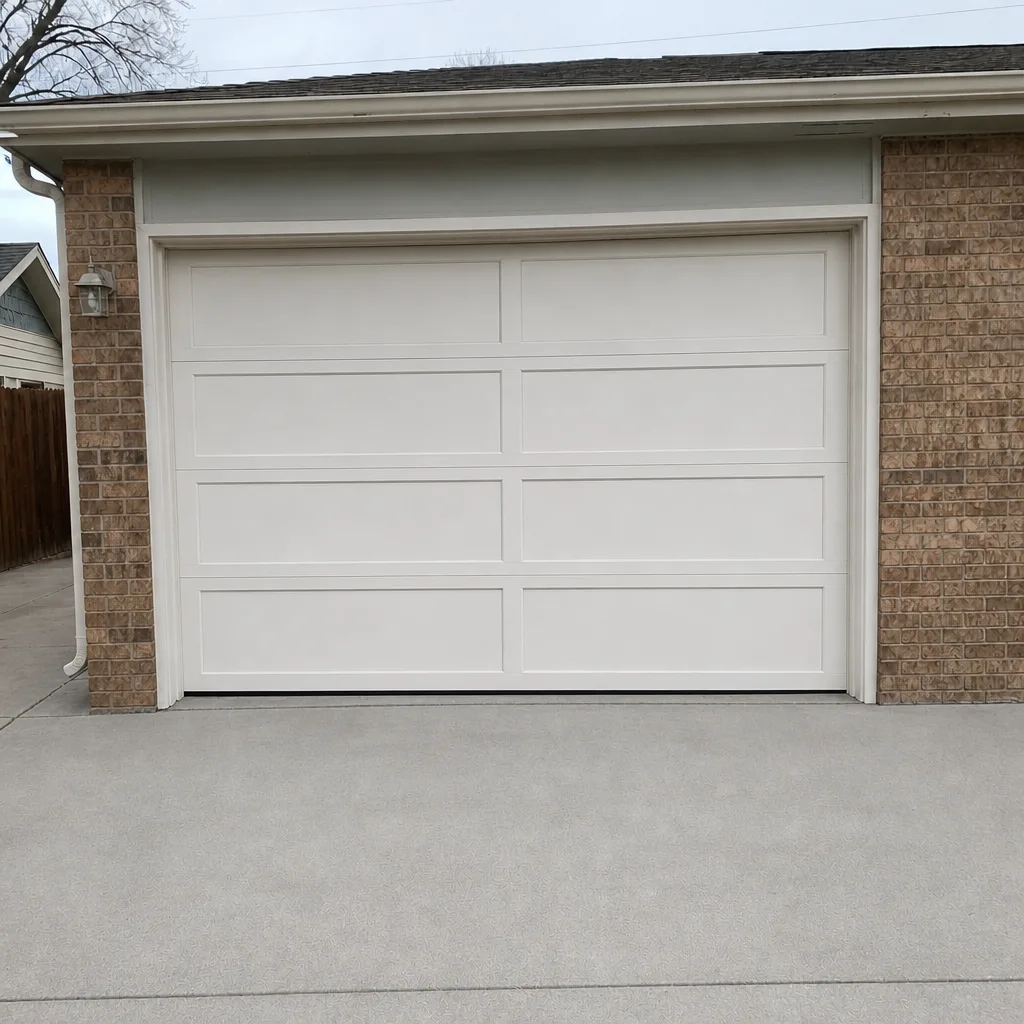 After
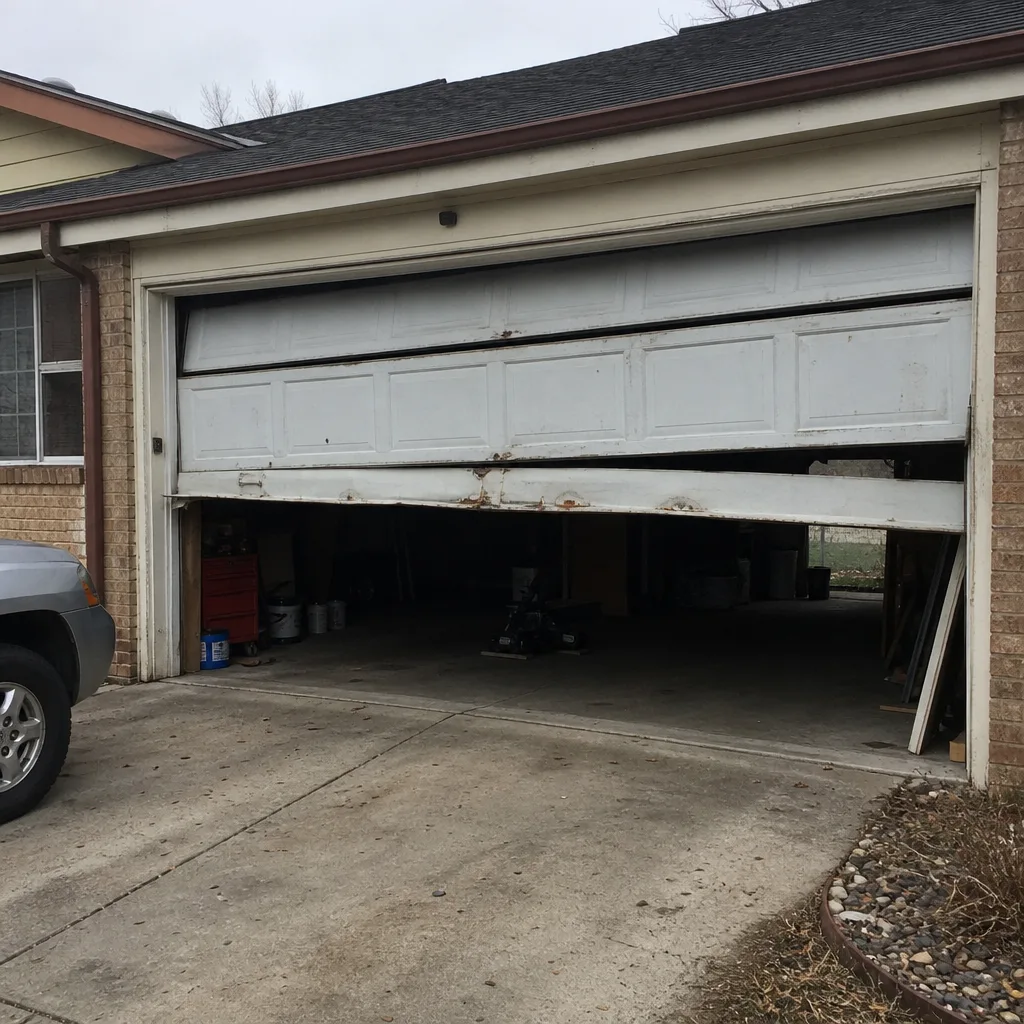 Before
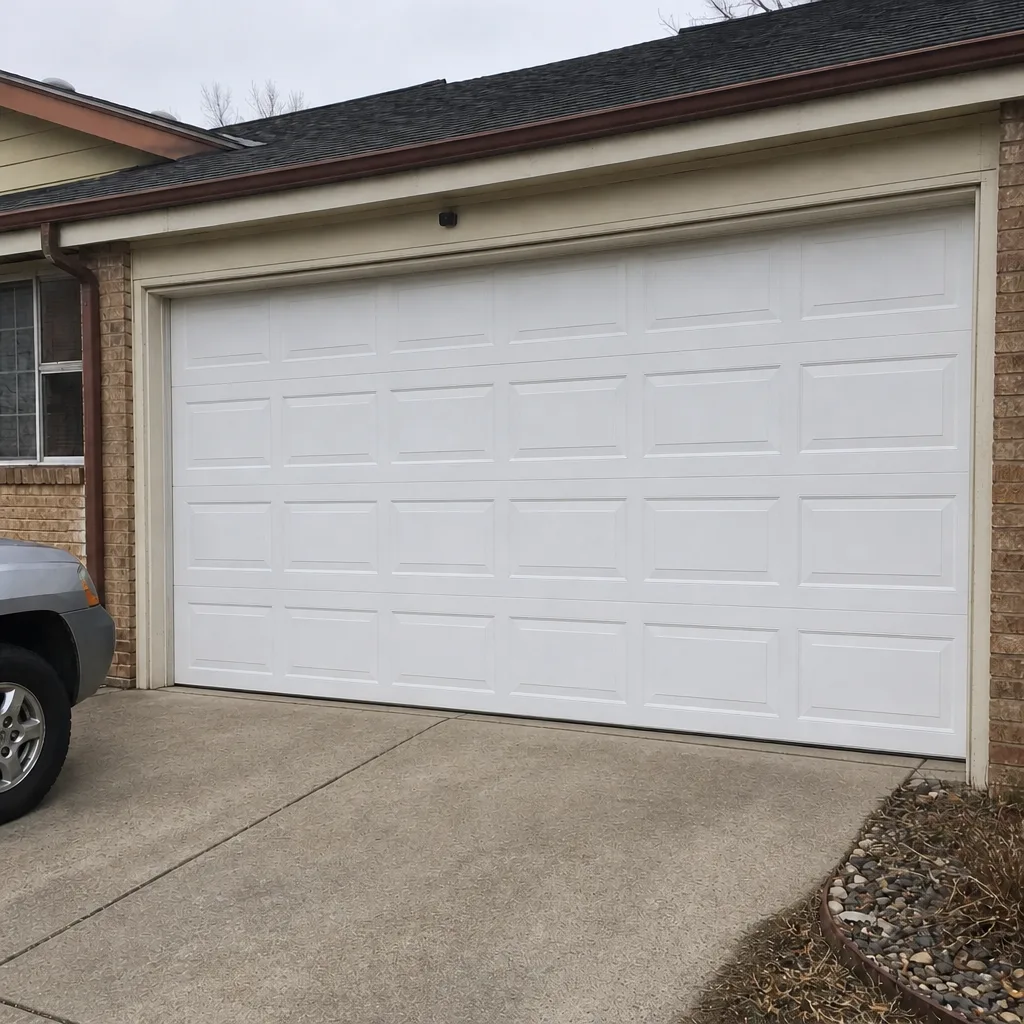 After
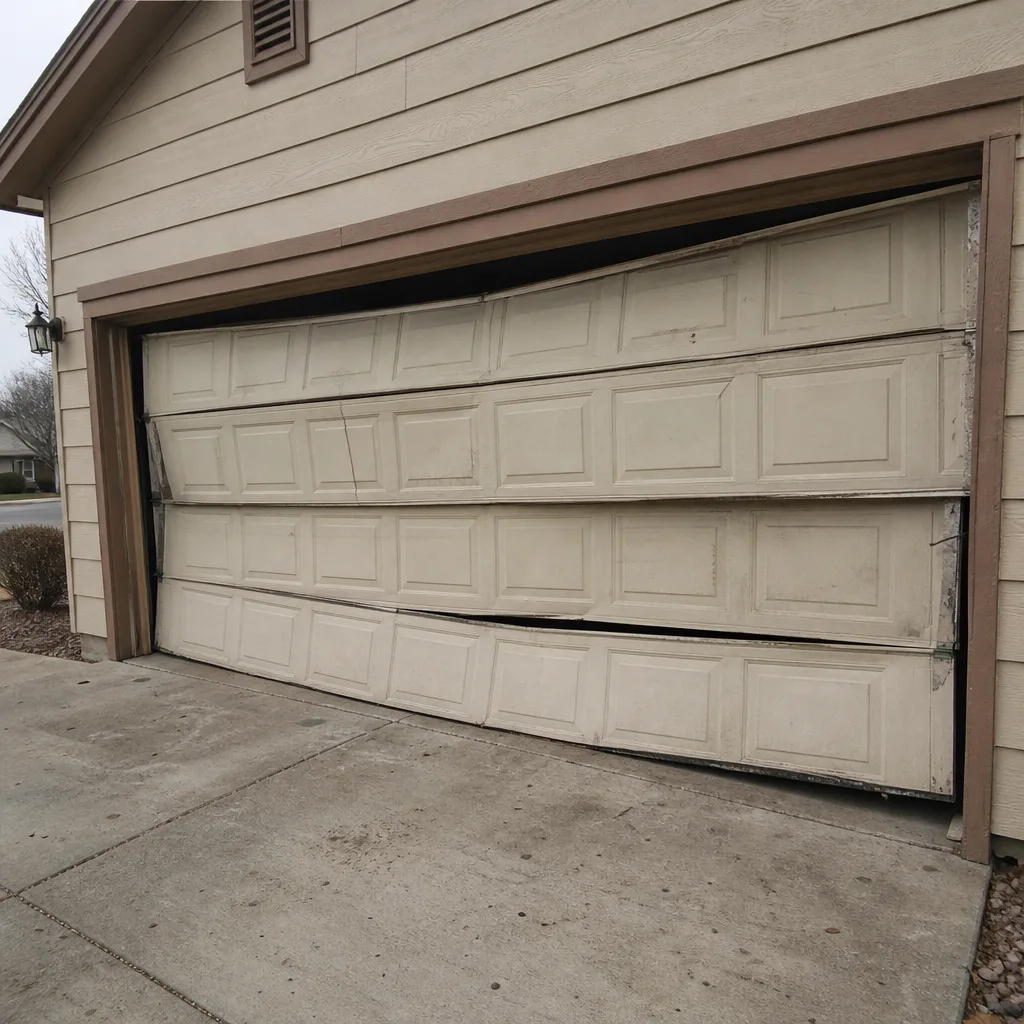 Before
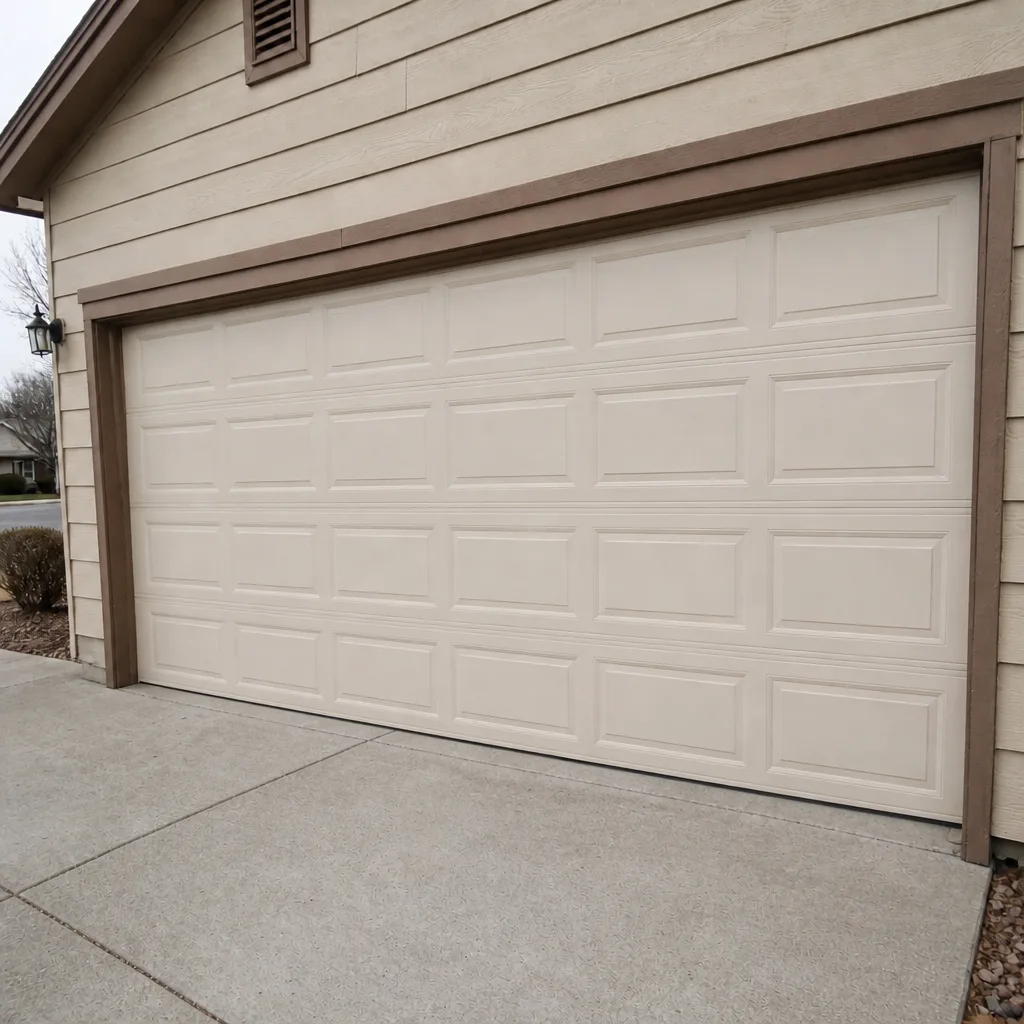 After
When to Call a Professional
Some failures are safe to handle yourself, and some aren’t. Call a trained technician for any of these:
- A broken or visibly worn spring, a rusted spring, or a door that suddenly feels very heavy
- Frayed, kinked, or broken cables, or a drum that looks loose
- A door that has come off its tracks, or a panel that’s warped or visibly misaligned
- An opener that grinds, hesitates, or won’t reverse when it meets an object
- Any time the door won’t close at all or won’t open, especially if it’s blocking a vehicle
Broomfield Garage Door Repair Co offers free estimates in Broomfield – call (833) 632-3182. We answer 24/7 with fast dispatch from 7am to 7pm Sunday through Friday, and our technicians have up to 10 years of experience. We work on the brand you already have, whether that’s Genie, Clopay, Amarr, Wayne Dalton, or any of the eight major brands we service.
Frequently Asked Questions
Lubricate hinges, rollers and the spring coil surface every four to six months, timed for late spring and early fall so the product is fresh before both the summer heat and the first freeze. The tracks should instead be kept clean and dry. Call (833) 632-3182 if you’d like a technician to take care of lubrication along with a full inspection.
A worn spring typically shows rust streaks or pitting on the coil, a widening gap between coils, or (on an extension spring) visible stretching and sagging. A clean break in a torsion spring means it has already failed. If you’re seeing any of these signs, stop using the door and call for an inspection – spring work is not safe to attempt yourself.
You can visually inspect the cable six inches in either direction from the drum and from the bottom bracket. Look for fraying, broken strands, kinks, or a cable sitting unevenly in the drum. Never touch the drum or cable while the door is down or under pressure.
Cold weather thickens lubricant, makes metal less flexible, and can cause a door to bind in its tracks. A late-fall lubrication pass and a hardware check before the first hard freeze helps reduce the noise and catches loose parts before they become failures.
No. Springs store enough energy to cause serious injury. Manufacturers and safety guides consistently warn against homeowner spring work. Visual inspection from a safe distance is safe; winding, adjusting, or replacing a spring is not. Always call a trained technician.
Check the photoelectric safety sensors first: wipe the lenses and make sure the two eyes are aligned. If the sensors are clean and aligned and the door still won’t close, the issue may be a safety-reverse failure, a bent track, or an opener fault. Call (833) 632-3182 for a free estimate and a same-day visit if it’s urgent. We answer 24/7.
The Bottom Line
A garage door doesn’t fail without warning. It gives months of signals (rust on a spring, a heavy feel, a grinding opener, a bottom seal that isn’t touching the floor) to anyone who knows what to look for. The monthly five-minute pass, the twice-yearly lubrication routine, and the annual professional inspection are the three habits that keep a door running longer and reduce surprise failures. Broomfield homeowners face specific seasonal stress cycles, so the schedule should match the local calendar and not a generic annual advice card. Document what you do and when you do it. When a spring, cable, or opener fails, call a trained technician. That’s what Broomfield Garage Door Repair Co does all day, every day. Call (833) 632-3182 for a free estimate. We answer 24/7. Fast dispatch from 7am to 7pm, Sunday through Friday.
Written by the team at Broomfield Garage Door Repair Co.